







Introduction
The Canton Fair, also known as the China Import and Export Fair, has been a cornerstone of China’s international trade since its inception in 1957. As China’s largest and oldest trade fair, it has played a pivotal role in facilitating global commerce and fostering economic relationships between China and the rest of the world. Held biannually in Guangzhou, the fair has evolved from a modest regional event to a globally recognized trade platform, reflecting China’s transformation into a major player in the global economy.
The 137th edition of the Canton Fair marks another milestone in its illustrious history. This iteration continues to showcase China’s manufacturing prowess and innovative capabilities across a wide range of industries. With its massive scale and diverse product offerings, the 137th Canton Fair provides a comprehensive overview of current trends in global trade and manufacturing.
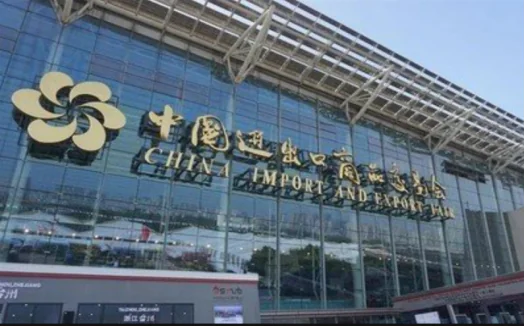
The importance of the Canton Fair for global B2B trade cannot be overstated. It serves as a crucial meeting point for manufacturers, suppliers, and buyers from around the world, facilitating direct negotiations and fostering long-term business relationships. The fair offers unparalleled opportunities for companies to expand their international reach, discover new products and suppliers, and stay abreast of industry developments.
For many businesses, particularly small and medium-sized enterprises, the Canton Fair represents a gateway to the vast Chinese market and a springboard for global expansion. As such, it continues to play a vital role in shaping global trade patterns and driving economic growth across various sectors.
1.Key Information for Attendees
1.1. Dates and location (Canton Fair Complex, Guangzhou, China)
The Canton Fair, one of the world’s largest trade exhibitions, is held biannually at the Canton Fair Complex in Guangzhou, China. The complex, also known as the Pazhou Complex, is a state-of-the-art facility designed to accommodate the massive scale of the fair. Typically, the fair is divided into three phases, each focusing on different product categories. The exact dates vary each year, but generally, the spring session is held in April-May, and the autumn session in October-November.
It’s crucial for attendees to check the official Canton Fair website for the most up-to-date information on specific dates for each phase, as timing can impact travel plans and the types of products available for viewing or purchasing.
1.2. Registration process and requirements
Registering for the Canton Fair is a straightforward process, but it requires attention to detail. Potential attendees must first create an account on the official Canton Fair website. This involves providing personal information, business details, and contact information. Once the account is created, applicants can proceed with the actual registration for the fair. It’s important to note that the Canton Fair primarily caters to business professionals, so registrants may need to provide proof of their business credentials or trade licenses.

Early registration is recommended, as it can often lead to benefits such as fast-track entry or early access to the fair’s online platforms. First-time attendees should pay particular attention to the documentation requirements, which may include business cards, company introduction letters, or invitations from Chinese companies.
1.3. Visa and travel arrangements for international visitors
International visitors attending the Canton Fair need to make proper visa and travel arrangements well in advance. Most attendees will require a business visa (F visa) to enter China. The application process for this visa typically includes providing an invitation letter from a Chinese company or the Canton Fair organizers, along with other standard documentation such as passport details and travel itineraries. It’s advisable to start the visa application process at least a month before the intended travel date. In terms of travel arrangements, Guangzhou is well-connected internationally through its Baiyun International Airport.
Many hotels in Guangzhou offer special rates for Canton Fair attendees, and it’s wise to book accommodations early due to high demand during the fair period. Additionally, familiarizing oneself with local transportation options, such as the metro system that connects directly to the Canton Fair Complex, can greatly facilitate movement during the busy fair days. Attendees should also consider factors like currency exchange, mobile connectivity, and health precautions when planning their trip to the Canton Fair.
2.Navigating the Canton Fair Complex
2.1. Layout and organization of exhibition areas
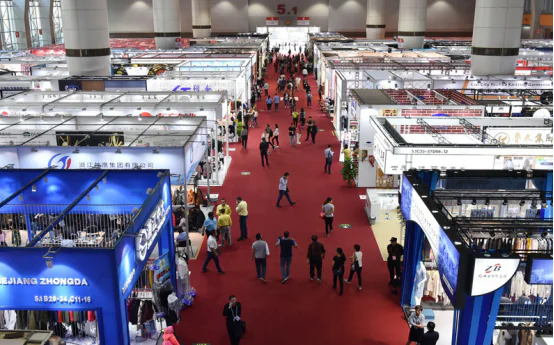
The Canton Fair Complex is a vast facility designed to efficiently host thousands of exhibitors and visitors. The complex is divided into several exhibition areas, each dedicated to specific product categories. Understanding this layout is crucial for efficient navigation and maximizing your time at the fair. The main exhibition halls are typically organized alphabetically (A, B, C, etc.) and further subdivided into numbered sections.
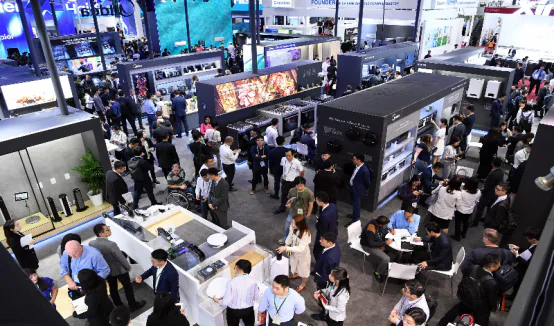
Each hall usually focuses on related product groups, allowing for a logical flow of exploration. For example, electronics might be grouped in one area, while textiles are in another. The complex also features outdoor exhibition areas for larger machinery or vehicles. Central corridors and clearly marked signage help guide visitors between different sections. It’s advisable to obtain a map of the complex upon arrival or download one in advance from the official Canton Fair website to plan your route effectively.
2.2. Key product categories and pavilions
The Canton Fair showcases a wide range of products, organized into distinct categories and pavilions to facilitate targeted sourcing. Some of the key product categories include:
- Electronics and Household Electrical Appliances
- Consumer Goods, Gifts, and Home Decorations
- Textiles and Garments
- Machinery and Equipment
- Food and Beverages
- Building Materials and Hardware
Each category is typically housed in specific pavilions or halls. For instance, the Import Pavilion, a relatively new addition, focuses on international products entering the Chinese market. The different phases of the fair often concentrate on different product groups, so it’s important to align your visit with the phase most relevant to your business interests.
Within each pavilion, you’ll find further sub-categories and specialized sections. For example, the electronics pavilion might have separate areas for smart home devices, audio equipment, and computer accessories. Familiarizing yourself with this organization can help you prioritize your time and focus on the most relevant areas for your business needs.
2.3. Utilizing digital tools and fair resources for efficient navigation
To enhance your experience and efficiency at the Canton Fair, leveraging digital tools and resources provided by the organizers is essential. The official Canton Fair mobile app is a valuable tool, offering real-time information, interactive maps, and exhibitor listings. This app can help you locate specific booths, plan your route through the complex, and even set reminders for important meetings or events.
The Canton Fair’s official website also provides pre-fair planning resources, including a virtual tour of the complex and detailed floor plans. Many exhibitors offer pre-registration for their booths, which can save time during the event. On-site, digital information kiosks are available throughout the complex, providing up-to-date information and wayfinding assistance. Additionally, the fair often features QR code systems for quick access to exhibitor information and product details.
For international visitors, language assistance services and translation tools are typically available to overcome communication barriers. By effectively utilizing these digital resources and fair-provided tools, attendees can navigate the vast Canton Fair Complex more efficiently, making the most of their time and opportunities at this significant trade event.
3.Maximizing Business Opportunities
3.1. Strategies for effective networking
Networking is a crucial aspect of the Canton Fair experience, offering opportunities to build valuable business relationships. To network effectively, prepare a concise elevator pitch about your business and objectives. Bring ample business cards and a digital method for exchanging contact information. Attend industry-specific seminars and events organized alongside the main fair. Utilize the fair’s networking lounges and social events for informal interactions. Be open to conversations with fellow attendees, not just exhibitors.
Follow up promptly with new contacts after the fair. Use social media platforms to connect with potential partners before and during the event. Consider joining pre-fair matchmaking sessions offered by the organizers. Remember, effective networking at the Canton Fair is about quality interactions rather than quantity. Focus on building relationships that align with your business goals and have potential for long-term collaboration.
3.2. Conducting product research and supplier evaluation
Thorough product research and supplier evaluation are essential for making informed decisions at the Canton Fair. Conduct pre-fair research by studying the exhibitor list and product categories in advance. Set clear criteria for product quality, pricing, and supplier capabilities. Bring a checklist of questions to ask potential suppliers about their products and services. Request samples and detailed product specifications when possible. Inquire about minimum order quantities, lead times, and customization options.
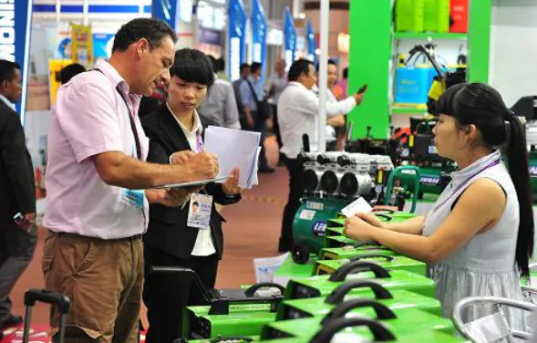
Assess the supplier’s communication skills and responsiveness. Look for certifications and compliance with international standards. Ask about the supplier’s experience in exporting to your country. Take notes and photos (where permitted) to compare options later. Use the fair’s digital platforms to bookmark interesting products and suppliers for follow-up. Remember to balance enthusiasm for new products with a critical evaluation of their fit for your market and business needs.
3.3. Negotiation tips in a cross-cultural business environment
Negotiating at the Canton Fair requires cultural sensitivity and strategic approach. Understanding Chinese business etiquette is crucial, including respecting hierarchies and being patient during discussions. It’s important to build rapport before diving into business details and to be prepared with clear objectives and bottom lines for negotiations. Starting with small talk and avoiding rushing into negotiations immediately is advisable.
Using an interpreter if necessary ensures clear communication. Be aware of non-verbal cues and body language in Chinese culture. Avoid confrontational tactics; instead, focus on win-win solutions. Be prepared for extended negotiations, as decisions may not be immediate. Understanding the concept of “face” in Chinese culture and avoiding causing embarrassment is crucial. Be flexible and open to compromise, but also firm on your key requirements. Get agreements in writing, even if it’s just a memorandum of understanding. Remember that initial prices are often starting points for negotiation.
Showing respect for Chinese culture and demonstrating interest in long-term partnerships can be beneficial. Successful negotiation at the Canton Fair often involves balancing Western directness with Eastern relationship-building approaches. Patience, respect, and cultural awareness are key to achieving favorable outcomes in this unique business environment.
4.Beyond the Fair: Leveraging Your Canton Fair Experience
4.1. Follow-up strategies with potential suppliers or buyers
Effective follow-up after the Canton Fair is crucial for converting contacts into lasting business relationships. Organize and prioritize your contacts immediately after the fair. Send personalized follow-up emails within a week of the event’s conclusion. Include specific references to your conversations to jog memories. Provide any additional information promised during your meeting. Request samples or quotations if not already obtained during the fair. Schedule video calls or meetings to continue discussions.

Keep track of follow-ups using a CRM system or spreadsheet. Be patient but persistent, as some responses may take time due to the volume of post-fair communications. Consider sending a small gift or thank-you note to stand out from other contacts. Maintain regular communication to nurture relationships, even if immediate business isn’t possible. Remember, the real value of the Canton Fair often materializes in the weeks and months following the event through diligent follow-up efforts.
4.2. Integrating insights into your import/export strategy
The Canton Fair provides a wealth of information and insights that can significantly enhance your import/export strategy. Review your notes and observations from the fair to identify key trends and opportunities. Analyze the competitive landscape based on the products and pricing you encountered. Reassess your product lineup in light of new offerings or innovations seen at the fair. Consider how new supplier relationships could improve your supply chain efficiency. Evaluate potential new markets or customer segments based on fair interactions.
Update your pricing strategy if necessary, considering competitive insights gained. Incorporate new quality standards or certifications you learned about into your processes. Refine your marketing approach based on successful strategies observed at the fair. Consider diversifying your product range or exploring new categories if promising opportunities were identified. Develop a timeline for implementing changes or new initiatives inspired by your fair experience. Integrating these insights can help you stay competitive and responsive to market changes in the global trade landscape.
Conclusion
The Canton Fair offers unique opportunities for global trade expansion. Success requires thorough preparation, effective networking, and strategic follow-up. Understanding the fair’s layout and utilizing digital tools are crucial. Comprehensive product research and supplier evaluation are essential. Cultural sensitivity is key to successful negotiations. The fair provides valuable insights for enhancing import/export strategies.
Participation offers numerous long-term benefits, including expanding global networks, exposure to industry trends, and enhanced business credibility. Regular attendance can establish your company as a serious player in international trade. Insights gained can inform strategic decisions on product development and market expansion for years to come.
Remain open-minded and adaptable. Pace yourself during long days and stay focused on objectives. Respect cultural etiquette and prioritize relationship-building. Utilize all resources offered by organizers. Balance pre-arranged meetings with exploring new opportunities. Keep detailed notes and organize contacts daily. View each Canton Fair as part of an ongoing strategy for international business growth, not an isolated event.

Berry Bian is the blog editor at iHome, focusing on global sourcing, wholesale trends, and practical tips for international buyers. With experience in digital marketing and cross-border trade, Berry shares insights that help small and medium businesses source products more efficiently and avoid common pitfalls. Passionate about connecting buyers with reliable suppliers, Berry writes with a clear and friendly style to make complex topics easier to understand.