







Yiwu, known as the world’s largest wholesale market, attracts thousands of international buyers every year, especially in March 2025, as businesses ramp up sourcing efforts for the year ahead. While the market offers unmatched variety and competitive prices, many importers fall into Yiwu sourcing mistakes that can cost them time, money, and business reputation. Understanding these risks is crucial for wholesalers, supermarket buyers, and sourcing agents aiming to maximize profit while ensuring product quality.
1. Introduction: Why Avoiding Yiwu Sourcing Mistakes Matters
1.1 The Hidden Risks of Sourcing from Yiwu
Despite its reputation as a global trading hub, Yiwu is not without its challenges. The market operates on a unique business model where many stalls act as intermediaries rather than direct manufacturers. This often leads to:
Inconsistent Product Quality——Since many suppliers source from multiple factories, product quality can vary significantly between batches. For example, a supermarket buyer sourcing kitchenware may receive a sample of premium stainless steel cutlery but later find bulk shipments using inferior materials.
Price Fluctuations——Unlike traditional manufacturers, Yiwu suppliers may frequently change prices based on demand, seasonal trends, or even the relationship with buyers. A purchasing agent securing toy supplies for a European retailer might lock in a price only to find a different rate when placing the next order.
Misleading Product Listings——Some suppliers display high-quality products in their booths but ship alternatives of lower quality. This is particularly concerning for B2B importers who rely on trust and bulk purchases.

1.2 How These Mistakes Can Impact Your Business
Overlooking these Yiwu sourcing mistakes can have far-reaching consequences, particularly for wholesale distributors and retail chains. The main pitfalls include:
Delayed Shipments and Supply Chain Disruptions——Many importers assume Yiwu suppliers have ready-to-ship inventory, but in reality, orders often require production lead times of several weeks. A sourcing agent handling seasonal products like holiday decorations might face severe losses if shipments are delayed beyond peak sales periods.
Brand Reputation Damage——For businesses selling under private labels, subpar quality can lead to negative reviews, returns, and lost customer trust. Large retailers, such as those supplying home appliances, risk losing contracts if their sourced products fail safety compliance tests.
Hidden Costs and Profit Losses——Unexpected expenses, from increased shipping fees to re-inspection costs, can erode margins. For instance, an electronics wholesaler sourcing power adapters may face hidden fees due to incorrect voltage specifications requiring product modifications.
By recognizing these risks early, importers can take proactive measures to refine their sourcing strategy and build long-term partnerships with reliable suppliers. In the next section, we’ll explore how to identify the wrong Yiwu suppliers and ensure a secure and profitable sourcing experience.
2. Are You Choosing the Wrong Yiwu Suppliers?
One of the biggest Yiwu sourcing mistakes is partnering with the wrong suppliers. With over 75,000 booths in the Yiwu market, the challenge isn’t just finding a supplier but identifying a trustworthy one that meets your business needs. Whether you’re a wholesaler stocking up for March 2025, a supermarket chain looking for private-label products, or a sourcing agent handling bulk imports, choosing the wrong partner can result in costly delays, substandard products, and financial losses.

2.1 Red Flags When Selecting Suppliers
Not all suppliers in Yiwu are direct manufacturers, and many act as intermediaries with no control over production quality. Here are some warning signs:
Unrealistically Low Prices——If a supplier offers pricing significantly lower than market averages, it may indicate poor quality, hidden fees, or bait-and-switch tactics. For instance, a furniture importer may be promised solid wood tables at a fraction of competitor rates, only to receive composite wood alternatives.
Inconsistent Communication——A supplier that struggles to answer technical questions about materials, production processes, or certifications might not be the actual manufacturer. Reliable suppliers should provide clear specifications, particularly for industries with strict compliance needs, such as medical supplies or food-grade containers.
Lack of Business Credentials——Many suppliers claim to be factories but cannot provide business licenses, factory certifications, or product testing reports. An electronics distributor sourcing smart home devices must verify CE, FCC, or RoHS certifications to avoid compliance risks.
2.2 How to Verify Trustworthy Vendors
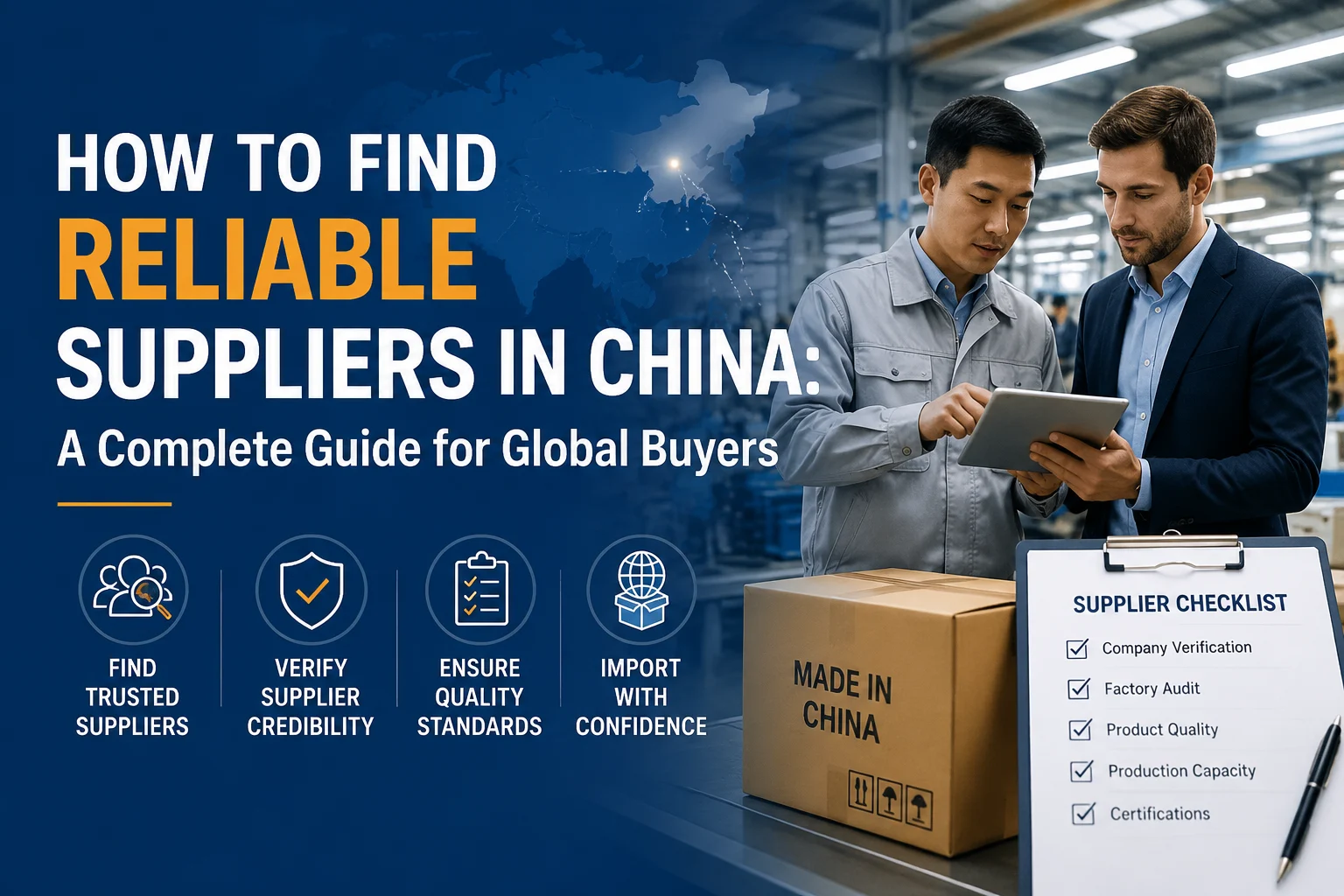
Avoiding Yiwu sourcing mistakes starts with due diligence. Here are key steps to ensure you’re working with legitimate and capable suppliers:
Factory Audits & On-Site Visits——If possible, visiting the factory or hiring a third-party auditor ensures the supplier genuinely manufactures the product. This is crucial for supermarket buyers who require consistency in food packaging materials or personal care items.
Requesting Product Samples——Always order multiple samples from different production batches to check for quality consistency. A sourcing agent for baby products should verify that safety standards are maintained across orders.
Confirming Production Capabilities——Ask for production lead times, machine capacities, and previous export records. A wholesale buyer importing pet products must confirm that the supplier can handle bulk orders without compromising quality.
Negotiating Payment Terms Securely——Avoid full upfront payments, and use secure payment methods like Letters of Credit or PayPal for small test orders. A clothing distributor sourcing fashion accessories should ensure clear refund policies in case of defects.
By following these best practices, importers can minimize risks and establish strong supplier relationships that lead to long-term sourcing success. In the next section, we’ll dive into another critical mistake: neglecting quality control in Yiwu sourcing.
3. Ignoring Quality Control: The #1 Sourcing Mistake
Quality control is one of the most critical factors in international trade, yet many importers sourcing from Yiwu underestimate its importance. Some assume that once they find a supplier, they can trust that future shipments will match the approved samples. However, this assumption often leads to costly Yiwu sourcing mistakes, including defective products, inconsistencies in bulk orders, and customer dissatisfaction. Whether you’re a supermarket chain sourcing kitchenware, a wholesaler purchasing electronics, or a distributor importing fashion accessories, neglecting proper quality control can result in financial losses and damaged business reputation.

3.1 Common Quality Issues in Yiwu Markets
Unlike factory-based sourcing, many suppliers in Yiwu operate as trading companies that outsource production to different factories. This means that even within the same order, product quality can vary significantly. Some of the most common quality issues include:
Material Substitution——A supplier may initially provide high-quality product samples but use cheaper materials for bulk orders. For example, a stationery wholesaler might approve samples of metal pens with a smooth finish but later receive a shipment made of lower-grade plastic.
Inconsistent Product Specifications——Without strict quality control, items from different production batches may have variations in size, color, or function. A supermarket purchasing plastic food containers may find that the second shipment has thinner walls, making them less durable.
Defective and Non-Functional Products——Electronics and mechanical products sourced from Yiwu frequently have issues such as loose wiring, faulty components, or poor assembly. A distributor importing LED flashlights may receive units with weak battery contacts, leading to high return rates.
3.2 Effective Strategies for Product Inspection
To prevent these Yiwu sourcing mistakes, importers must implement rigorous quality control measures throughout the sourcing process:2-0
Conduct Pre-Shipment Inspections——Before finalizing payment, hire a third-party inspection company to verify product quality, packaging, and order quantity. This is especially crucial for wholesale buyers sourcing high-risk items like home appliances or children’s toys.
Implement AQL (Acceptable Quality Level) Standards——Establish clear defect tolerance levels before production begins. For example, a supermarket purchasing ceramic mugs may set an AQL limit of 2% minor defects, ensuring that chipped or unevenly glazed mugs do not enter the final shipment.
Request Production Samples from Different Batches——Instead of relying on a single sample, ask for multiple units from different production runs to ensure consistency. A fashion accessories distributor should check that all jewelry pieces in an order have uniform plating and fastenings.
Specify Packaging and Labeling Requirements——Poor packaging can lead to damaged goods upon arrival. Importers dealing with fragile items, such as glassware wholesalers, must specify protective packaging materials like foam inserts and double-walled cartons.
By integrating these quality control strategies, importers can minimize risks, maintain product integrity, and build long-term success in March 2025 and beyond.
4. Overlooking MOQ and Pricing Traps
MOQ (Minimum Order Quantity) and pricing structures are often misunderstood by first-time buyers in Yiwu. While the market is known for its low MOQs compared to factory-based sourcing, this flexibility comes with hidden costs. Many importers unknowingly agree to seemingly favorable terms only to encounter issues like inflated unit prices, additional fees, or limited product availability. Understanding these pricing dynamics is essential to avoid costly Yiwu sourcing mistakes and secure profitable deals.

4.1 How Low MOQs Can Lead to Hidden Costs
Yiwu suppliers often advertise low MOQs to attract international buyers. However, these offers may have underlying drawbacks that impact cost-effectiveness:
Higher Per-Unit Costs——Suppliers offering lower MOQs usually increase the unit price to compensate. A B2B wholesaler ordering 200 phone cases at $2 each may find that ordering 1,000 units from a manufacturer outside Yiwu would lower the price to $0.80 per unit.
Limited Product Customization——Many Yiwu suppliers do not offer branding or customization for small orders. A supermarket chain planning to launch a private-label kitchenware line may find that branding is only available for orders exceeding 5,000 units.
Unstable Product Availability——Since many Yiwu suppliers source from multiple factories, stock levels fluctuate. A distributor ordering seasonal home decor in March 2025 may find that a second batch is no longer available in the same design, affecting sales consistency.
4.2 Negotiation Tips to Get the Best Deals
To avoid pricing traps and optimize sourcing costs, importers should follow these negotiation strategies:
Compare Multiple Suppliers Before Committing——Instead of accepting the first offer, wholesalers should negotiate with at least three suppliers to benchmark prices and terms. This strategy helps buyers of personal care products or pet accessories find the best balance between MOQ and cost.
Bundle Orders for Better Pricing——Combining different SKUs from the same supplier can help lower unit costs. For example, a supermarket sourcing different sizes of reusable water bottles can negotiate a bulk price discount by ordering all variations together.
Clarify All Costs Upfront——Always request a breakdown of total costs, including packaging, shipping, and payment fees. A distributor sourcing consumer electronics should confirm whether the quoted price includes chargers and batteries or if those need to be purchased separately.
Negotiate Gradual MOQ Increases——If a supplier requires a high MOQ, request an initial small order with a commitment to larger volumes upon successful sales. A furniture wholesaler can start with a trial order of 50 office chairs before committing to 500 units.
By mastering MOQ and pricing negotiations, businesses can reduce costs, increase profitability, and build sustainable supplier relationships. In the next section, we’ll address another common sourcing pitfall: misunderstanding Yiwu’s logistics and shipping costs.
5. Misunderstanding Yiwu’s Logistics and Shipping Costs
Logistics is a crucial factor when sourcing from Yiwu, yet many buyers fail to account for the full cost of shipping. A common Yiwu sourcing mistake is focusing solely on product pricing while overlooking logistics expenses, which can significantly impact the overall cost and profitability of imported goods. Whether you are a supermarket chain importing home essentials, a wholesaler purchasing seasonal decor, or an online retailer sourcing fashion accessories, understanding the real costs of shipping and optimizing your supply chain can lead to better profit margins and fewer operational headaches.

5.1 The Real Cost of Shipping from Yiwu
Many importers underestimate logistics costs, assuming that the low-cost products available in Yiwu automatically translate to affordable shipping. However, the final shipping cost depends on multiple factors:
Shipping Method——Sea freight is the most economical option for bulk orders, but for small shipments, air freight may be required. A distributor importing LED lights might pay $5,000 for a full-container load (FCL) via ocean freight but over $8,000 for a smaller, urgent shipment by air.
Hidden Fees——Some Yiwu suppliers quote FOB (Free on Board) prices, meaning that additional costs such as customs clearance, port handling fees, and last-mile delivery must be covered by the buyer. A wholesale buyer importing kitchenware may be surprised by an extra $2,000 in destination port fees.
Fluctuations in Freight Rates——Shipping costs fluctuate based on demand, fuel prices, and global supply chain disruptions. A bulk importer sourcing artificial Christmas trees in March 2025 may find that rates are higher than expected due to peak-season congestion.
5.2 How to Optimize Your Supply Chain
To reduce logistics costs and ensure efficient delivery, importers should implement the following strategies:
Plan Shipments in Advance——Booking freight early can help secure lower rates and avoid peak-season surcharges. A home appliance wholesaler should finalize orders months before the holiday season to prevent costly last-minute air freight.
Consolidate Shipments——Buyers sourcing multiple SKUs from different Yiwu suppliers can use freight forwarders to combine shipments into a single container. A pet product distributor sourcing leashes, bowls, and toys can lower per-unit shipping costs by consolidating cargo.
Choose the Right Incoterms——FOB and EXW (Ex Works) pricing structures impact total shipping costs. Importers should clarify who is responsible for freight expenses at each stage. A furniture retailer should negotiate FOB terms to avoid unexpected domestic transport costs in China.
Work with a Reliable Freight Forwarder——Professional logistics partners can help navigate customs regulations and optimize shipping routes. This is particularly important for importers of sensitive goods, such as cosmetics and food packaging.
By understanding logistics costs upfront and refining supply chain operations, businesses can avoid unexpected expenses and improve their sourcing efficiency from Yiwu.
6. Are You Aware of Common Payment Scams?
One of the biggest risks in international trade is falling victim to payment fraud. While Yiwu has many legitimate suppliers, Yiwu sourcing mistakes related to payment scams can result in financial losses, delayed shipments, and legal complications. Importers—whether wholesale buyers, supermarket chains, or online retailers—must take proactive steps to safeguard their transactions.

6.1 How to Protect Your Transactions
Fraudulent activities in Yiwu typically involve misleading bank details, fake suppliers, and payment manipulation. To minimize risks, businesses must stay vigilant against common scams, including:
Supplier Switch Scam——A scammer poses as your supplier and sends an email with updated bank details, leading you to transfer money to a fraudulent account. A wholesaler importing electronic accessories may unknowingly wire $50,000 to an offshore fraudster instead of the legitimate manufacturer.
Ghost Supplier Scam——A fraudulent company claims to be a manufacturer, accepts payment, and then disappears. A distributor ordering children’s toys may place a deposit for 10,000 units only to find that the supplier no longer exists.
Undisclosed Middlemen——Some trading companies pose as factories and charge higher prices while outsourcing production to substandard manufacturers. A furniture wholesaler might pay for high-quality wooden chairs but receive defective, low-cost substitutes.
6.2 The Safest Payment Methods for Yiwu Sourcing
To protect financial transactions, importers should use secure payment methods and verify suppliers thoroughly:
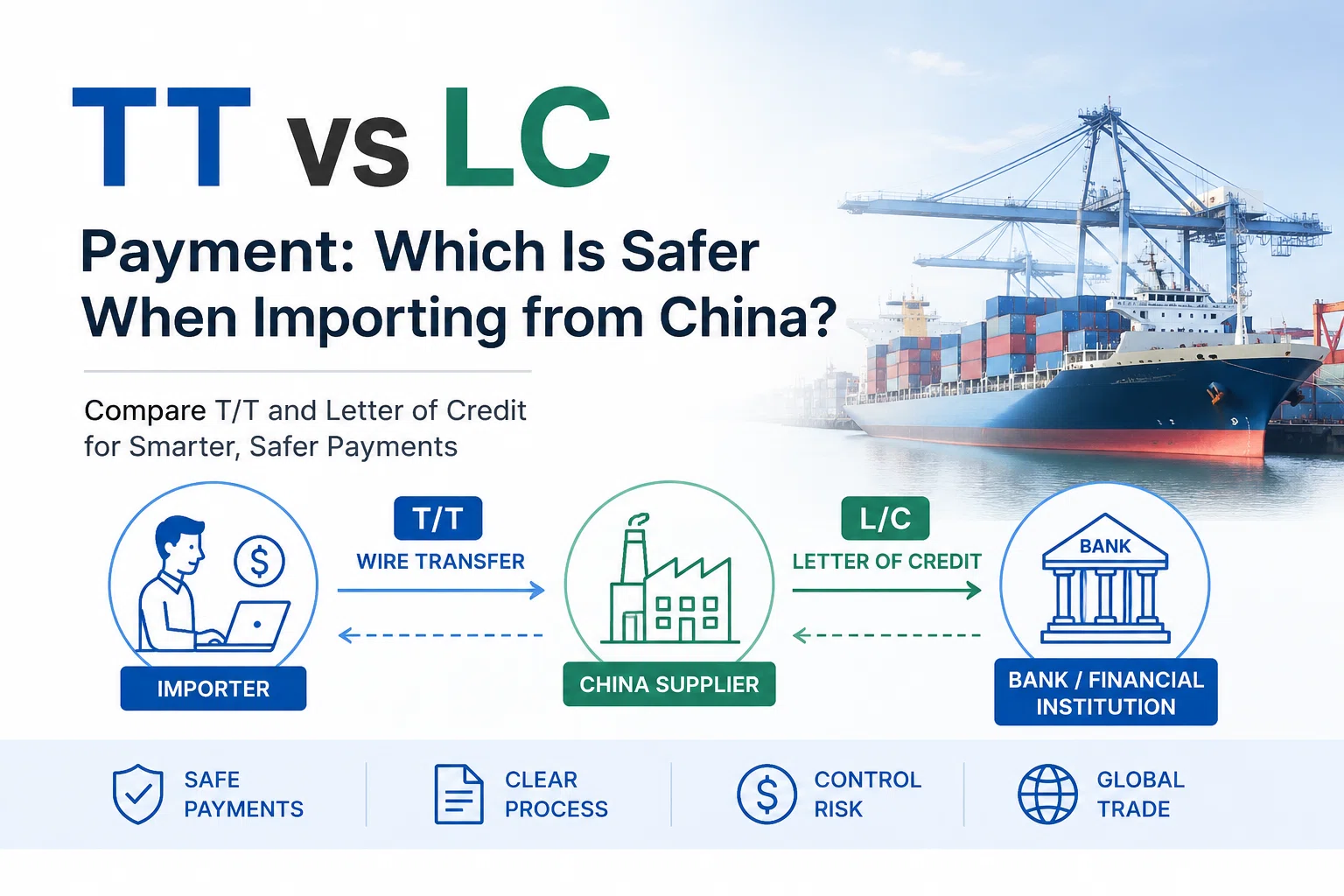
Use Letter of Credit (L/C) for Large Orders——This payment method ensures funds are only released when agreed conditions are met. A supermarket chain sourcing stainless steel water bottles can use L/C to safeguard a $100,000 order.
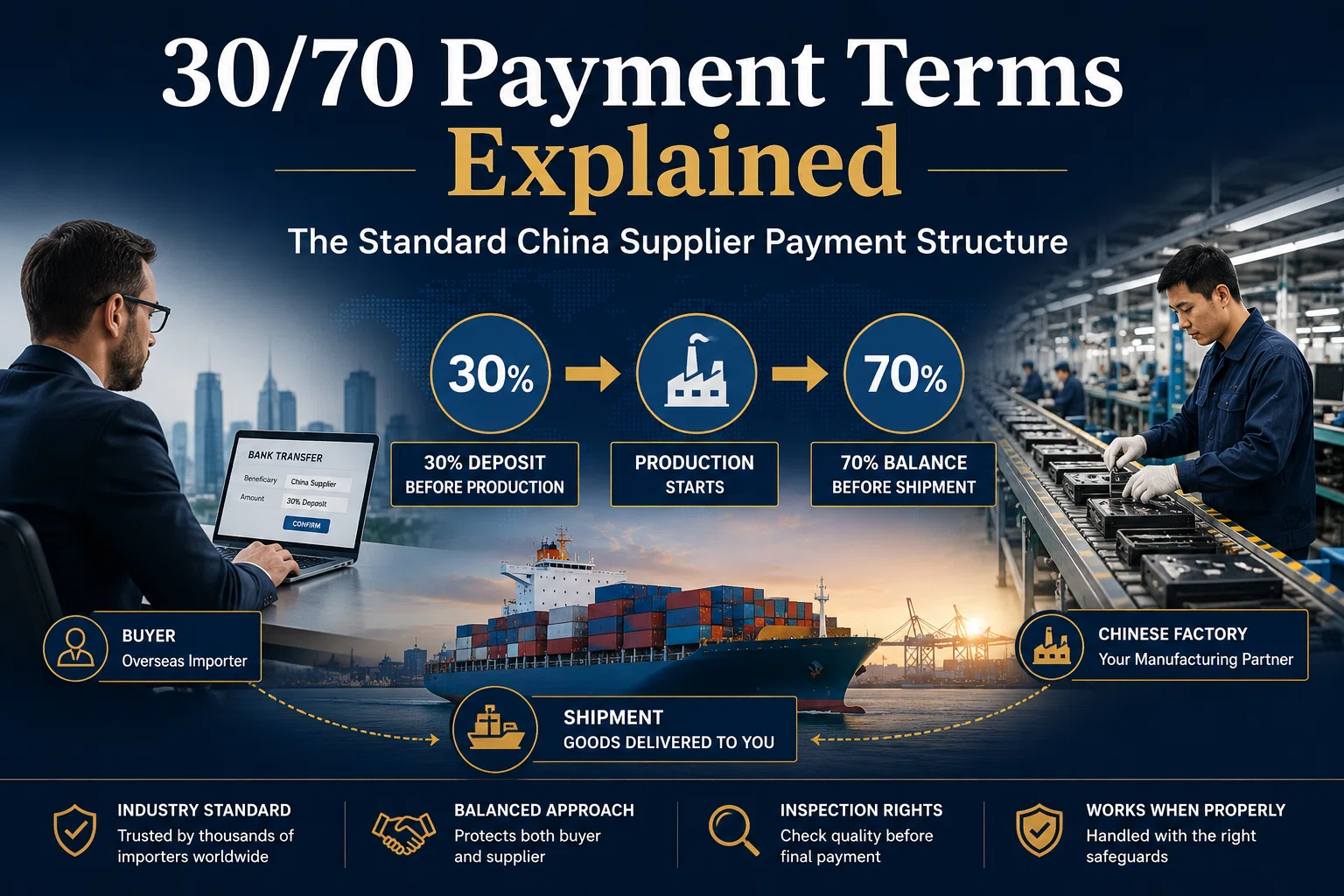
Pay in Installments——Avoid paying the full amount upfront. Instead, negotiate a 30% deposit and 70% balance upon inspection. This strategy benefits wholesalers ordering seasonal home décor who need quality assurance before final payment.
Verify Bank Details Directly——Always confirm payment instructions with the supplier via a phone call or video meeting. A fashion accessories importer should check that the bank details match those listed on the official invoice.
Use Secure Payment Platforms——Platforms like PayPal, Alibaba Trade Assurance, and Escrow services offer protection against fraud. A retailer importing smart gadgets can use these platforms to hold funds until goods are received.
By implementing these precautions, businesses can reduce financial risks and ensure smooth transactions when sourcing from Yiwu.
7. Conclusion: How to Avoid These Costly Yiwu Sourcing Mistakes
Sourcing from Yiwu presents incredible business opportunities, but only if buyers are well-prepared. Many importers fall into common pitfalls, from choosing unreliable suppliers to mismanaging logistics and payments. Avoiding these Yiwu sourcing mistakes can help businesses secure high-quality products, negotiate better deals, and streamline supply chains for long-term success.
7.1 Key Takeaways for First-Time Buyers
For buyers sourcing from Yiwu, here are the essential lessons to remember:
Vet Suppliers Thoroughly——Conduct background checks, verify business licenses, and request factory visits before placing bulk orders.
Prioritize Quality Control——Use third-party inspection services and AQL standards to ensure product consistency.
Negotiate Smartly——Understand MOQ and pricing strategies to avoid hidden costs and inflated per-unit prices.
Optimize Logistics——Plan shipments in advance, consolidate cargo, and work with reliable freight forwarders to cut costs.
Secure Transactions——Use safe payment methods like L/C, PayPal, or escrow services to prevent financial losses.
7.2 Resources to Help You Source Smarter in Yiwu
For importers looking to deepen their knowledge, consider these resources:
Yiwu Market Guides——In-depth sourcing guides on specific product categories like electronics, textiles, and home goods.
Freight Forwarder Directories——Lists of trusted logistics partners for cost-effective shipping solutions.
Supplier Verification Services——Platforms such as SGS, TÜV, and Alibaba’s Verified Supplier program for supplier authentication.
Industry Forums & Trade Shows——Attend the March 2025 Yiwu Fair to meet reliable suppliers and stay updated on market trends.
By taking a strategic approach and leveraging the right tools, buyers can avoid costly mistakes and maximize their success when sourcing from Yiwu.
Conclusion
Sourcing from Yiwu can be highly profitable, but only if you navigate the market wisely. Many businesses fall into common traps, such as choosing the wrong suppliers, neglecting quality control, underestimating logistics costs, and failing to secure payments. By learning from these Yiwu sourcing mistakes, you can minimize risks and enhance your sourcing efficiency.
To ensure a seamless purchasing experience, work with reliable suppliers, negotiate smartly, and use secure logistics and payment methods. If you need professional assistance in supplier verification, quality inspection, or logistics management, our team is here to help.
Contact us today to streamline your Yiwu sourcing process and get the best deals without unnecessary risks!