






Looking for unbeatable deals on beauty products or planning to source cosmetics for your business? China’s cosmetics wholesale markets offer an incredible range of products—from international luxury brands to popular local favorites—often at 30-70% below retail prices.
I’ve personally visited cosmetics wholesale markets across China and helped numerous clients find reliable suppliers for their businesses. This guide shares insights from those experiences, covering the 10 most prominent markets and what makes each one unique. Let’s dive in.
1. Guangzhou Meibo City( Beauty Exchange Center) – -“Asia’s Beauty Capital”
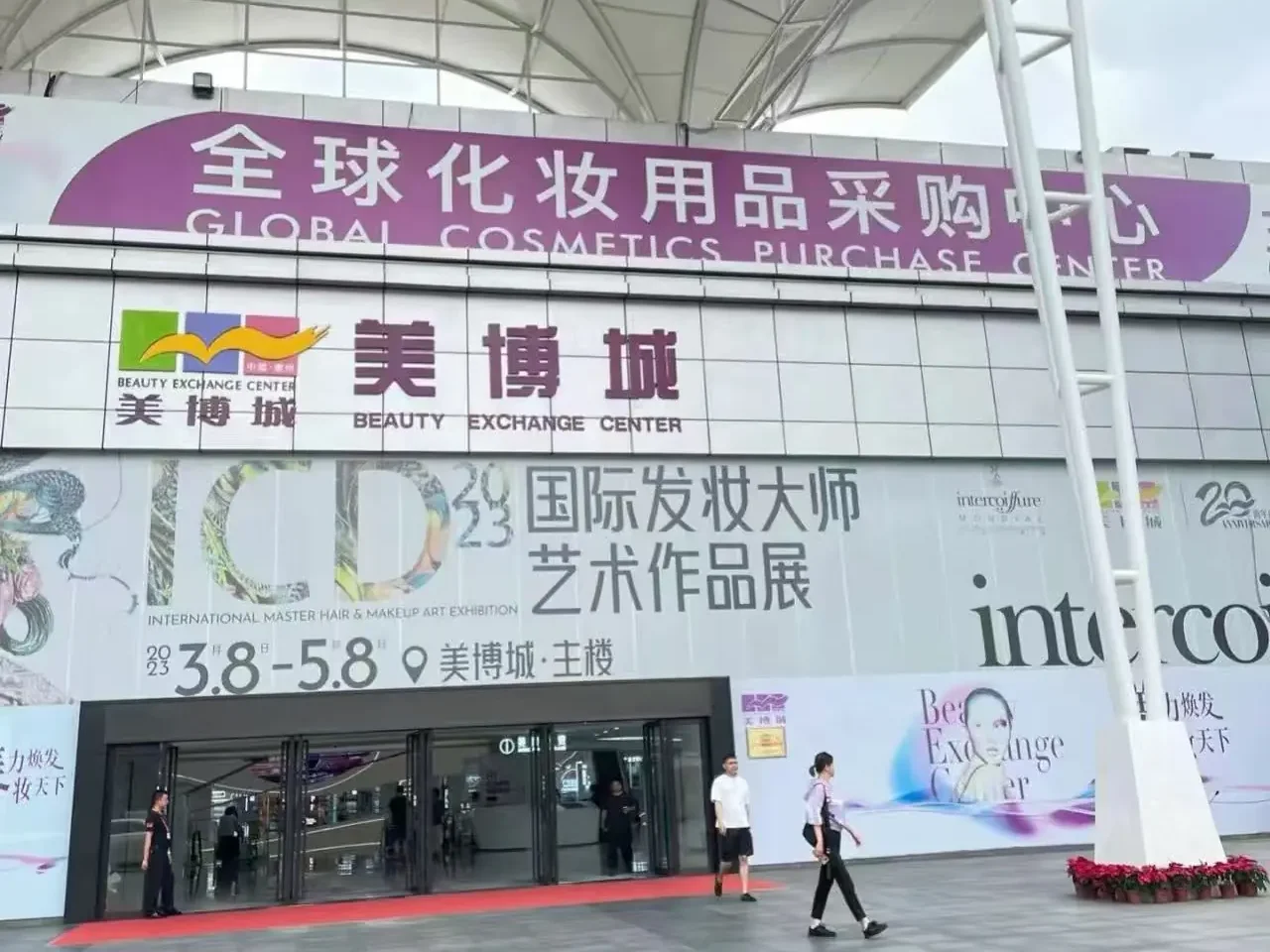
Market Profile: High-end to mid-range comprehensive beauty hub
Address: 121 Guangyuan West Road, Baiyun District, Guangzhou
Operating Hours: Mon-Sun, 8:00-18:00
English Friendliness: Moderate (some vendors speak basic English)
Covering 110,000 square meters with over 400 domestic and international brands, Guangzhou Meibo City is Asia’s largest cosmetics trading platform with annual transactions exceeding 10 billion RMB.
What You’ll Find:
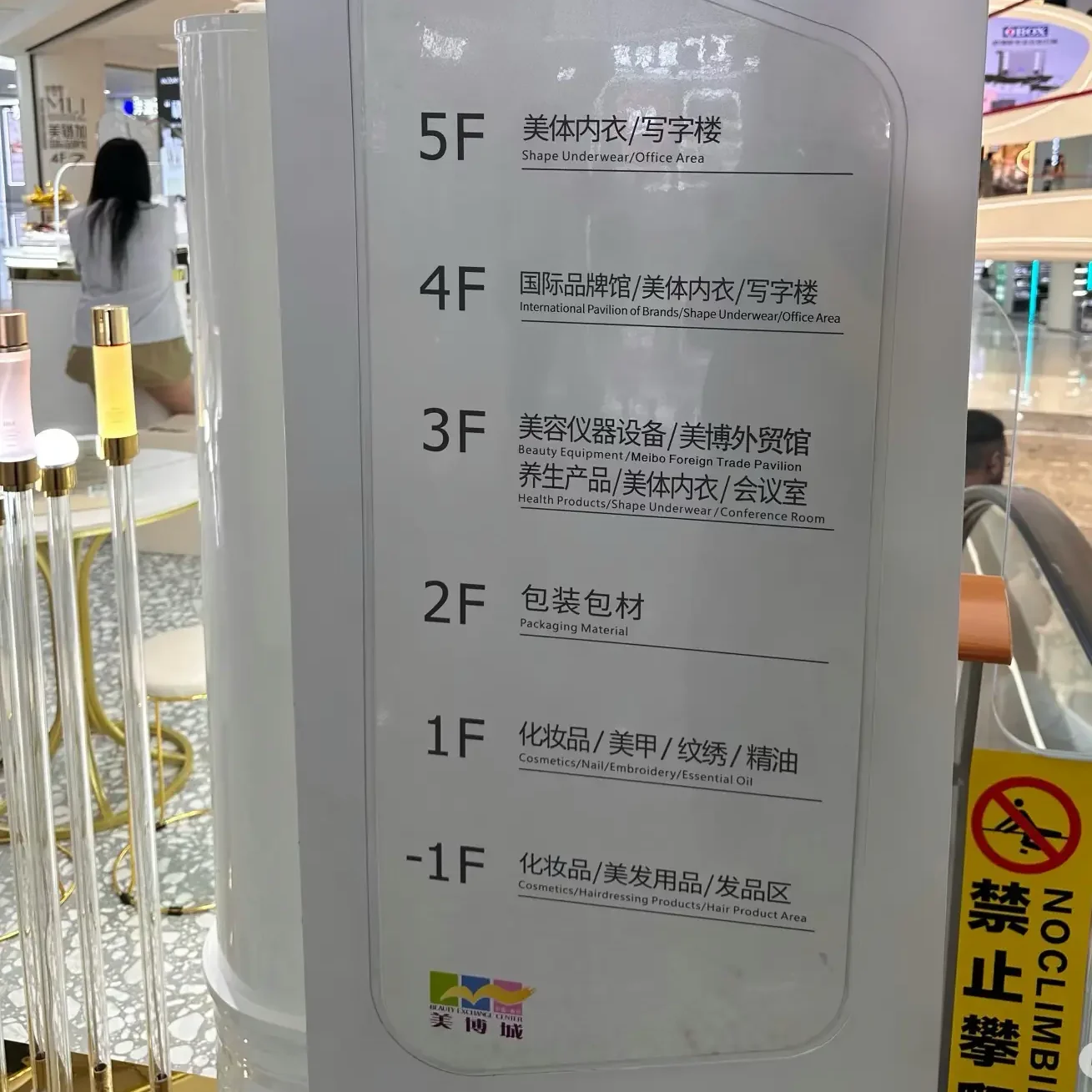
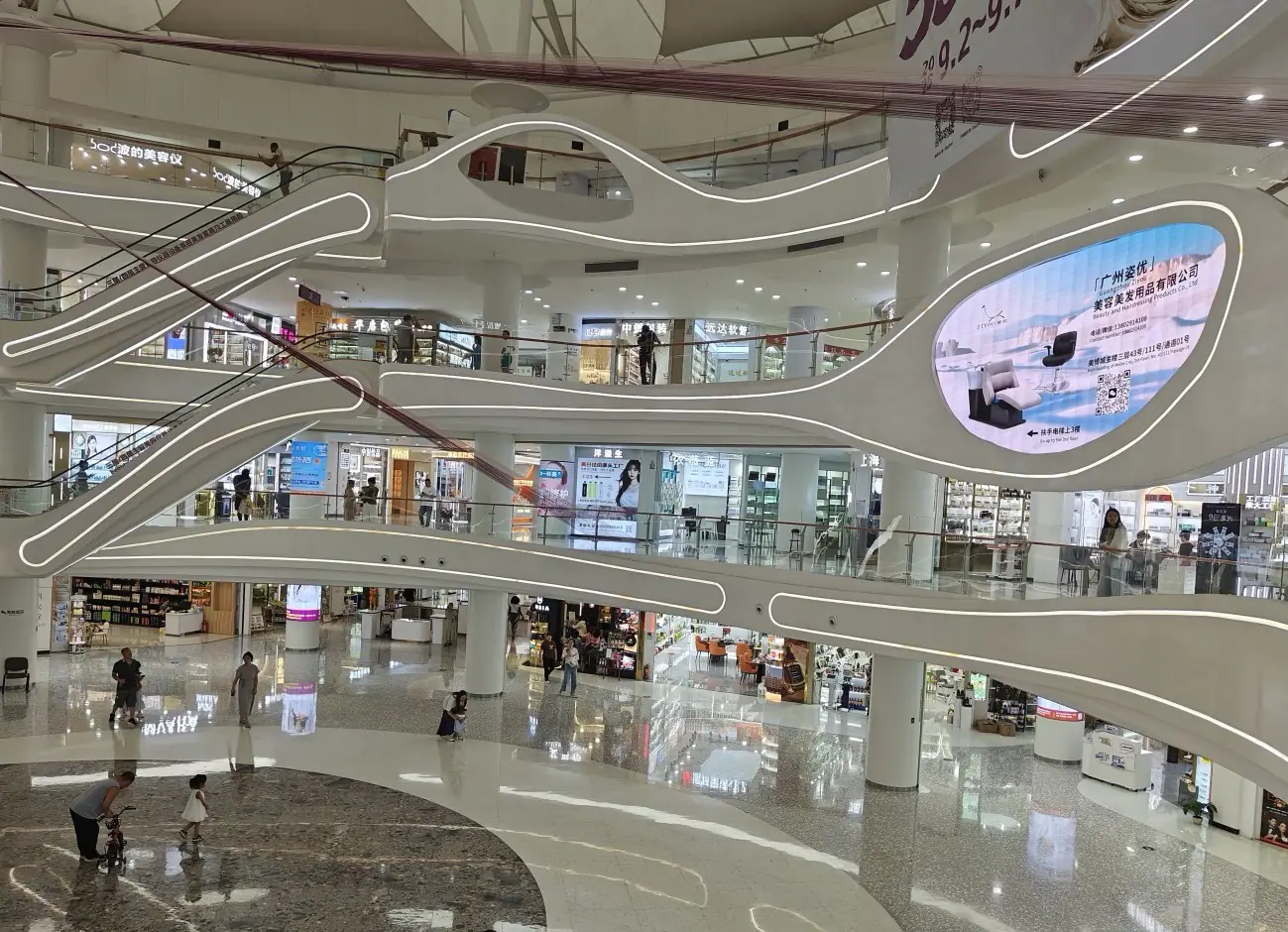
- Basement Level: Cosmetics, Hairdressing products, Hair care products, wigs, extensions
- 1st Floor: Skincare, makeup tools, nail products, medical aesthetics
- 2nd Floor: Packaging materials (for buyers)
- 3rd Floor: Beauty equipment and devices
Key Advantages:
- Host of the Guangdong Beauty Expo (held twice monthly)
- First beauty market approved for “1039” export trade mode
- Wide range from Korean beauty to European luxury brands
- Many suppliers accept international payment methods
Best For: Wholesale buyers, business owners, beauty salon purchasers, export traders
Shopping Tips: While primarily wholesale, many vendors will sell smaller quantities with friendly negotiation. Bargaining is expected—start at 50-60% of the asking price for larger purchases.
2. Guangzhou Baiyun Beauty Bay Plaza – Rising Star of High-End Beauty Trading
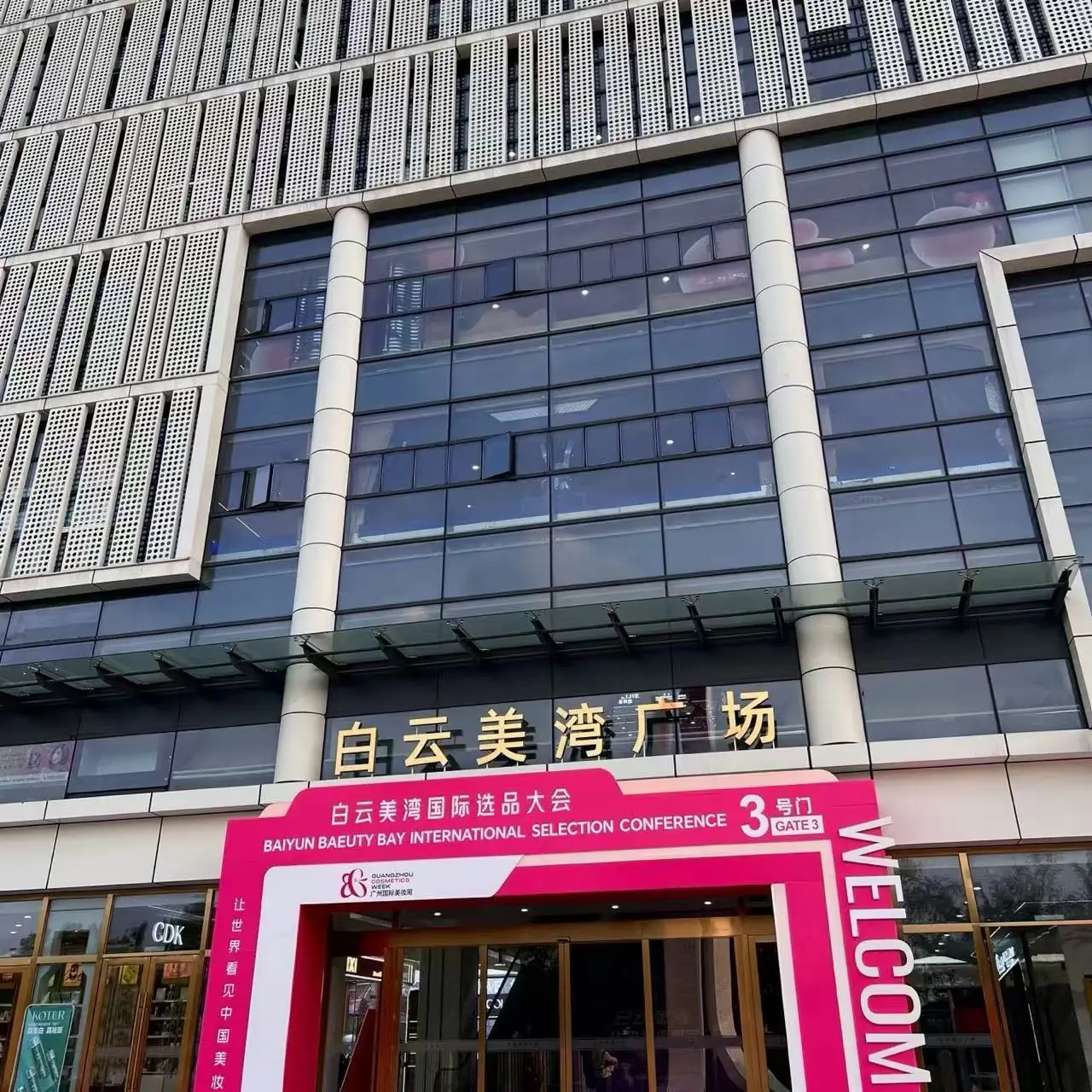
Market Profile: Mid-to-high-end comprehensive beauty hub
Address: Sanyuanli Professional Market District, Baiyun District, Guangzhou
Opening: August 2022
English Friendliness: Moderate
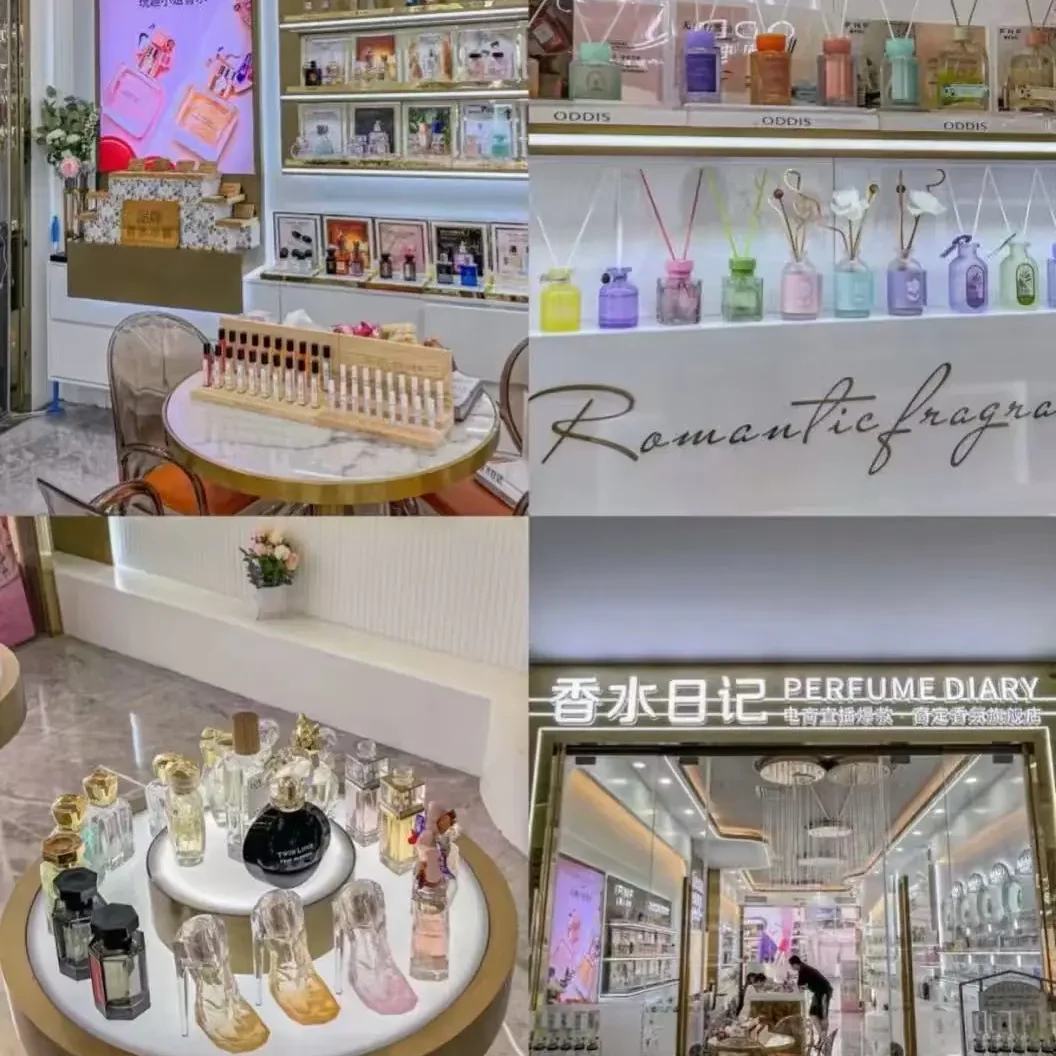
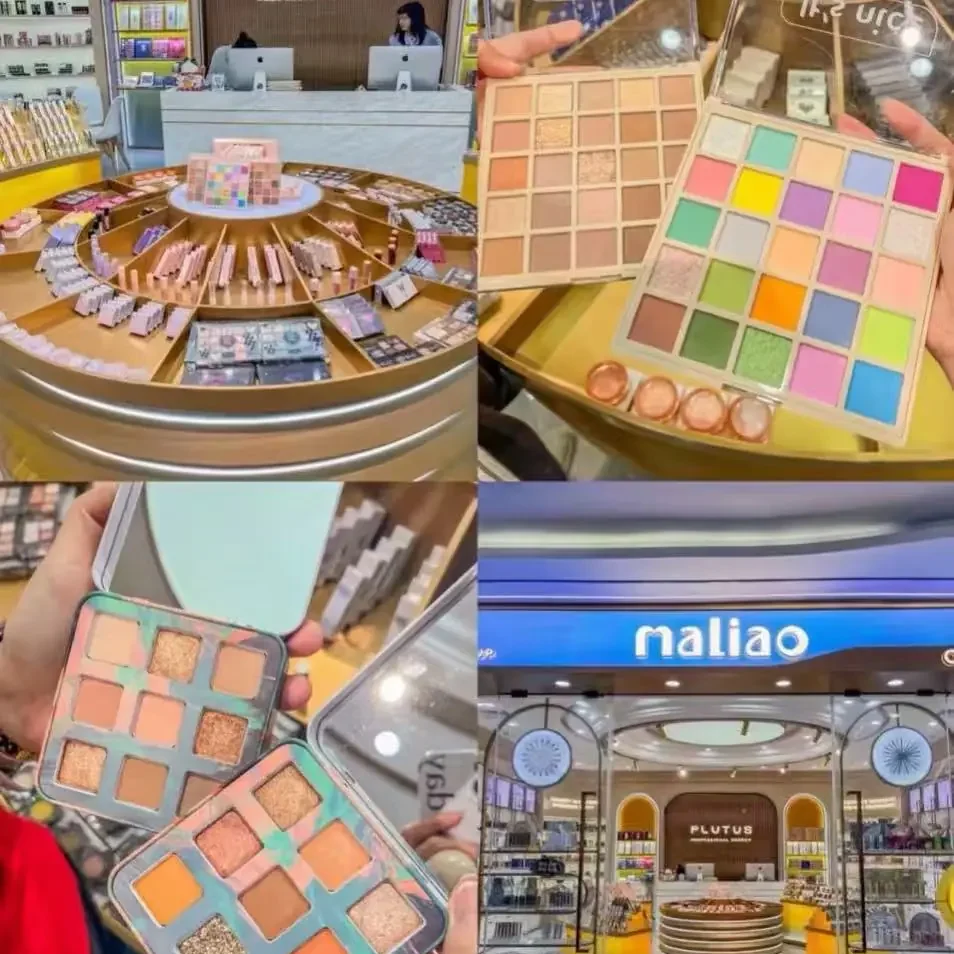
Spanning 73,000 square meters with over 500 premium shops, Baiyun Beauty Bay Plaza represents Guangzhou’s latest evolution in cosmetics wholesale infrastructure. This modern commercial complex aims to bridge the gap between traditional wholesale and retail experiences.
What You’ll Find:
- Mid-to-high-end domestic and international brands
- Complete product categories from skincare to makeup
- Modern, comfortable shopping environment
- Integration of information exchange, talent development, and technology sharing
Key Advantages:
- Part of the billion-RMB “Baiyun Beauty Bay” industrial cluster
- Strategic location in Sanyuanli commercial district
- Four-phase development plan to become comprehensive beauty trading center
- Positioned as China’s quality cosmetics industry aggregation hub and one-stop sourcing center
- Future integration with Baiyun Wanda, Infinitus, and other commercial complexes
Development Vision: The plaza aims to create a “never-ending cosmetics expo” with plans to integrate headquarters, exhibitions, cultural tourism, and comprehensive industrial chain services.
Best For: Mid-to-high-end product sourcing, brand discovery, quality-focused buyers
Note: As a recently opened market, it’s still developing its vendor ecosystem but offers more modern facilities than traditional markets.
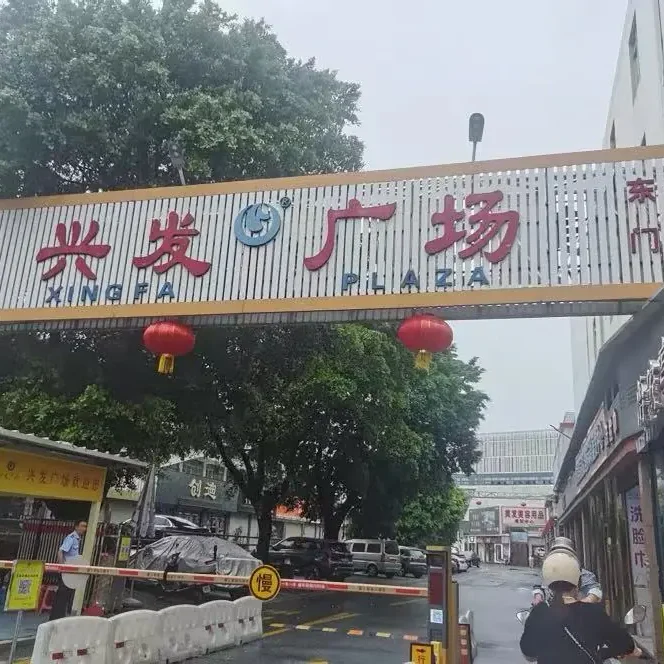
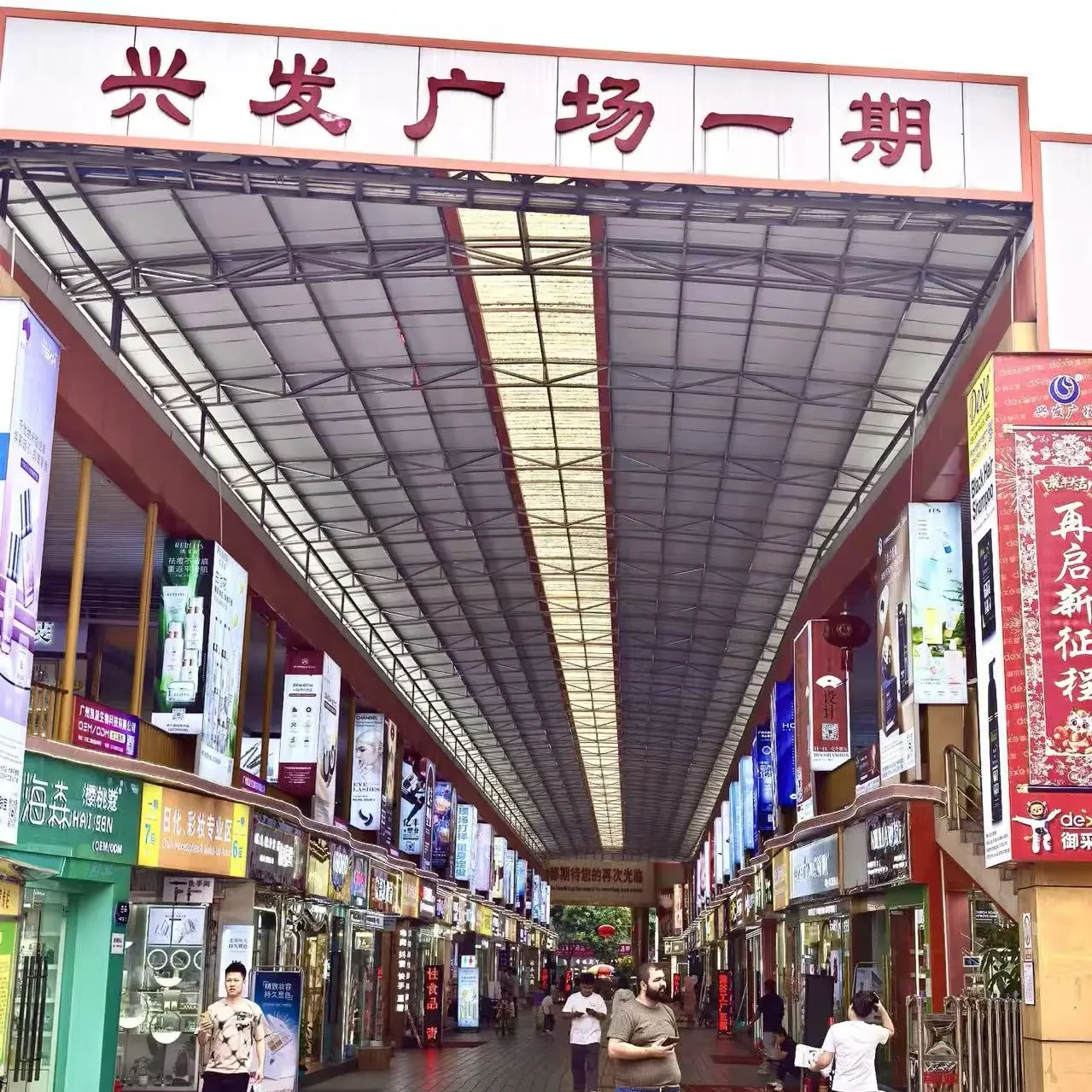
3. Guangzhou Xingfa Plaza
Market Profile: Mid-range wholesale, factory-direct sourcing
Address: 138 Jichang Road, Baiyun District, Guangzhou
Operating Hours: Mon-Sun, 8:00-18:00
English Friendliness: Limited
Covering 90,000 square meters with approximately 1,500 shops, Xinfa Plaza achieves nearly 6 billion RMB in annual sales. Most vendors are factory-direct, offering highly competitive pricing.
What You’ll Find:
- Primarily Chinese domestic brands
- Lesser-known and niche products
- Good for finding unique items not available elsewhere
- Minimum order quantities often required
Best For: Wholesale buyers seeking Chinese brands, regional distributors, those looking for differentiated products
Note: This market is strictly wholesale—minimum purchase quantities usually required. Not ideal for small-quantity purchases.
4. Guangzhou Yifa Plaza – Traditional Wholesale Powerhouse
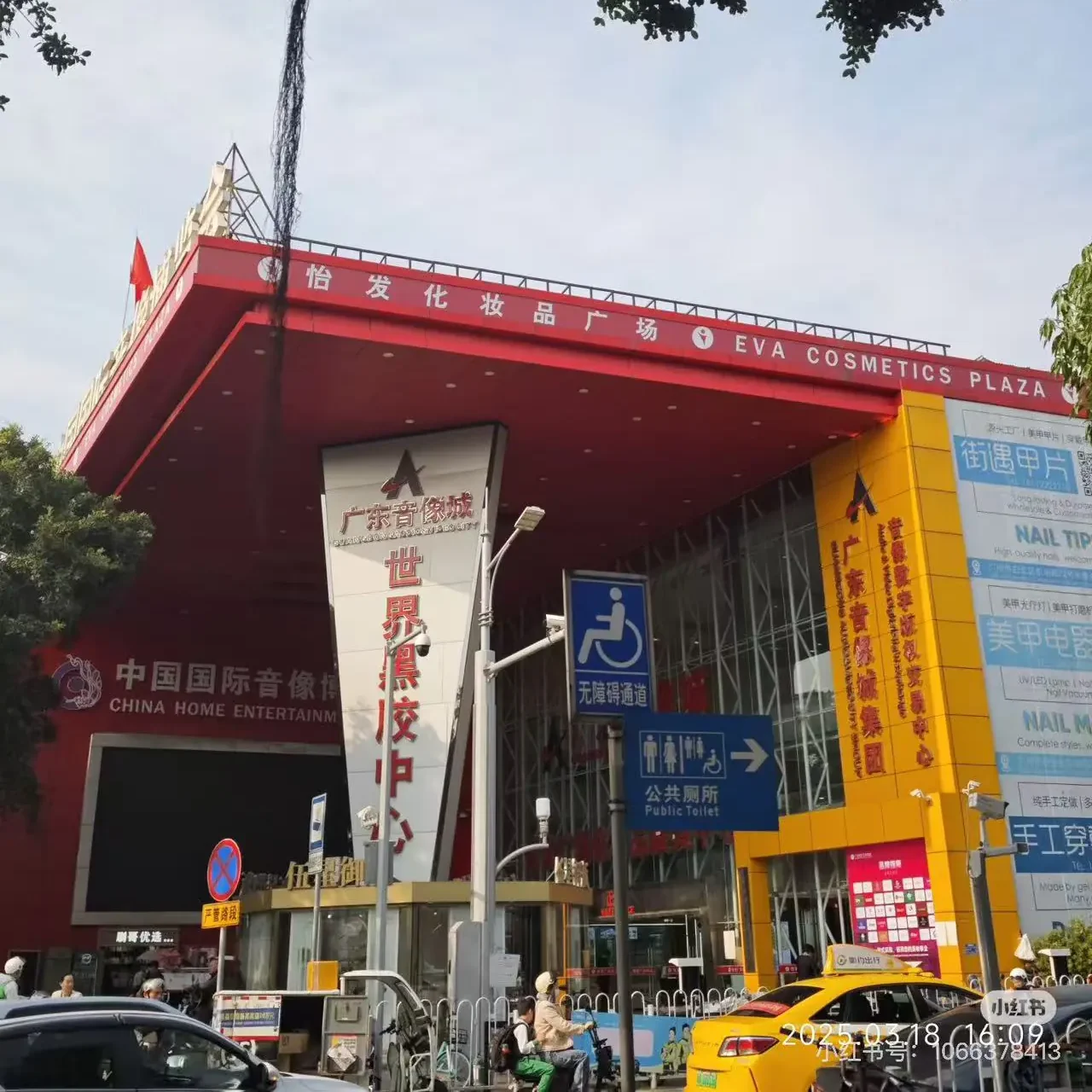
Market Profile: Comprehensive beauty wholesale market
Address: 96-98 Jichang Road (or 166-182 Jichang Road), Baiyun District, Guangzhou
Operating Hours: Mon-Sun, 8:00-18:00
English Friendliness: Limited
Yifa Plaza has been a cornerstone of Guangzhou’s beauty wholesale industry for years, known for its extensive product range and industry events.
What You’ll Find:
- Cosmetics and beauty products
- Cleaning and personal care items
- Beauty salon equipment and supplies
- Hair care and styling products
Key Advantages:
- Near Guangzhou University of Chinese Medicine
- Hosts annual cosmetics exhibitions and spring trade fairs
- Well-established vendor relationships
- Strong presence in beauty industry supply chain
- Part of the historic Sanyuanli beauty products commercial circle
Transportation: Multiple bus routes: 38, 46, 87, 101, 103, 105, 108, 185, 186, 251, 257, 284, 510, 511, 509, 523, 539, 540, 805, 810
Best For: Salon suppliers, established wholesale relationships, traditional beauty product categories
5. Shenzhen Mingtong Cosmetics Market – “Daigou Paradise”
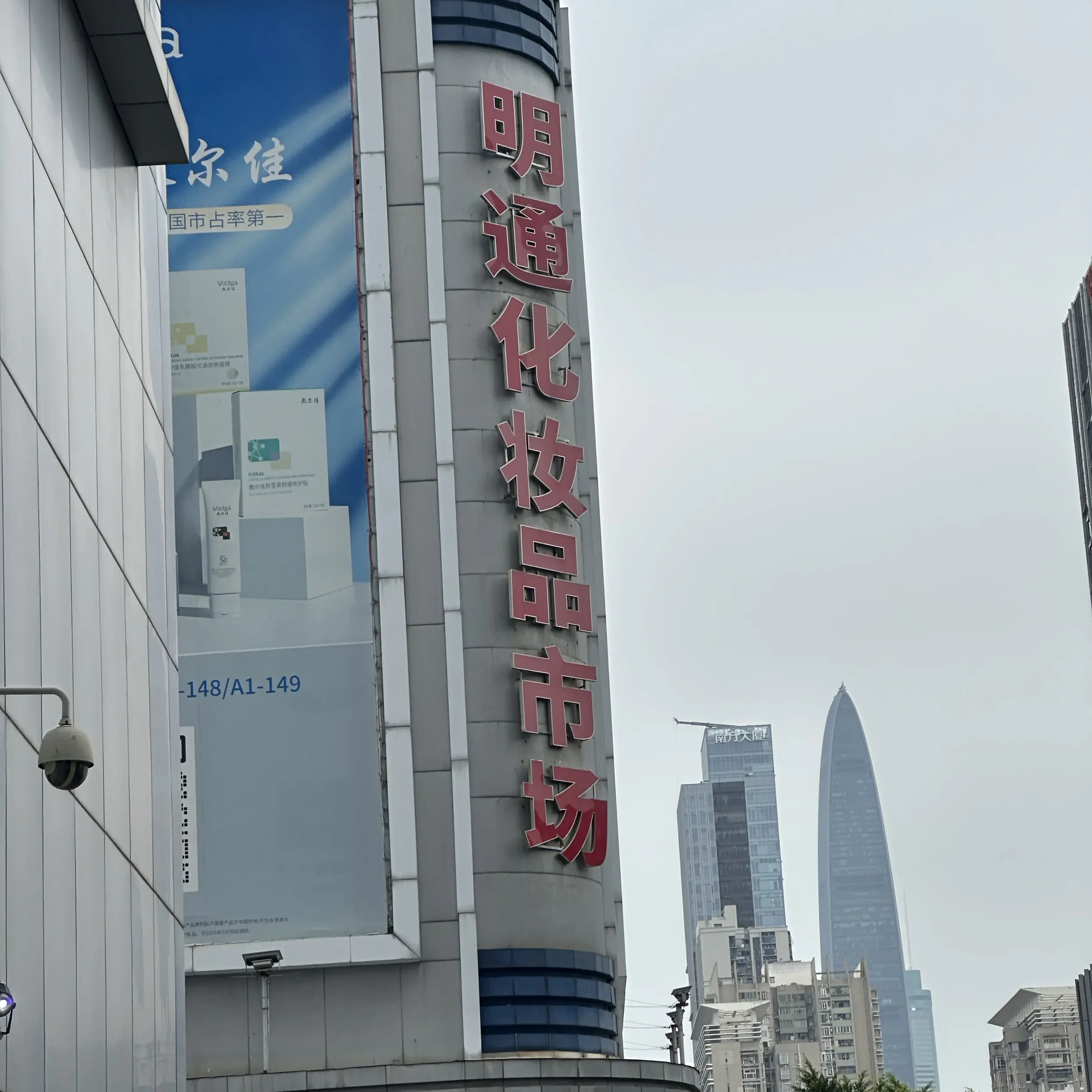
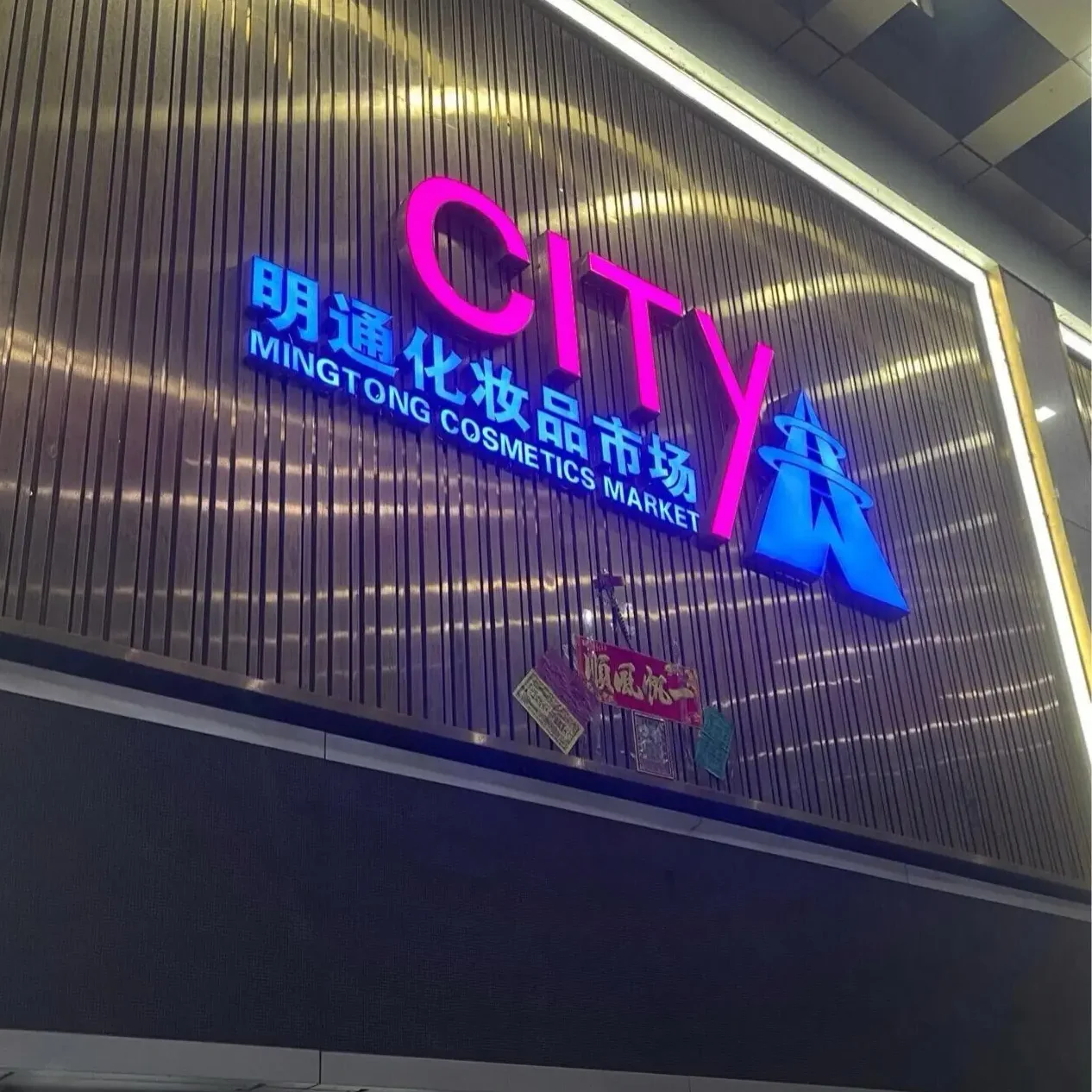
Market Profile: International luxury and duty-free imports specialist
Address: 23 Huafa North Road, Futian District, Shenzhen
Operating Hours: Mon-Sun, 13:00-22:00 (most vendors open late afternoon)
English Friendliness: Good (many vendors have English capabilities)
Transformed from Huaqiangbei’s electronics hub, Mingtong has become China’s largest imported cosmetics wholesale market with over 2,000 vendors across 4 floors in sections A and B.
What You’ll Find:
- Korean duty-free products (Sulwhasoo, Whoo, Laneige)
- Japanese beauty (Shiseido, SK-II, CPB)
- European luxury (Estée Lauder, Lancôme, La Prairie, La Mer)
- American brands (MAC, Bobbi Brown)
- Thai and Southeast Asian products
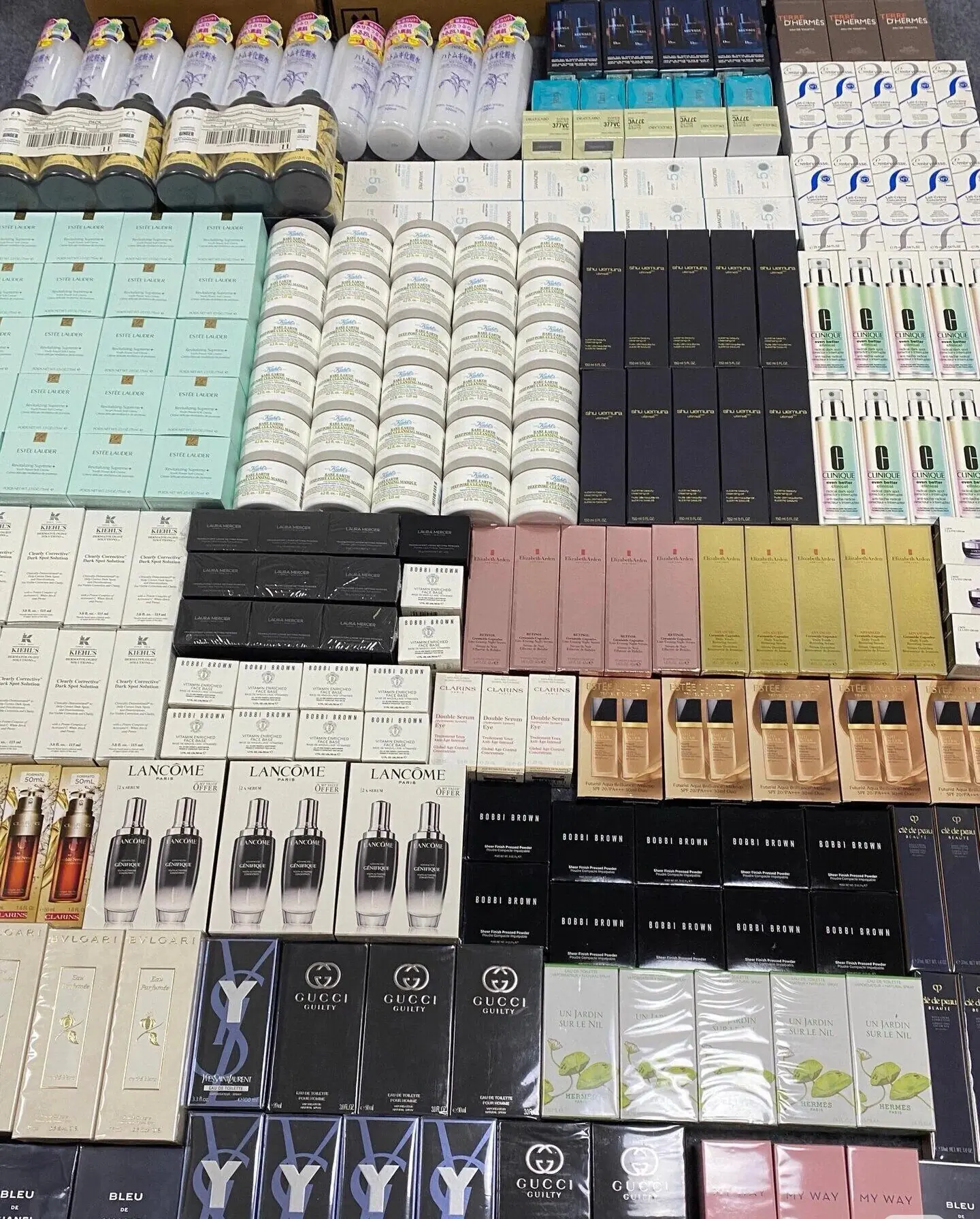
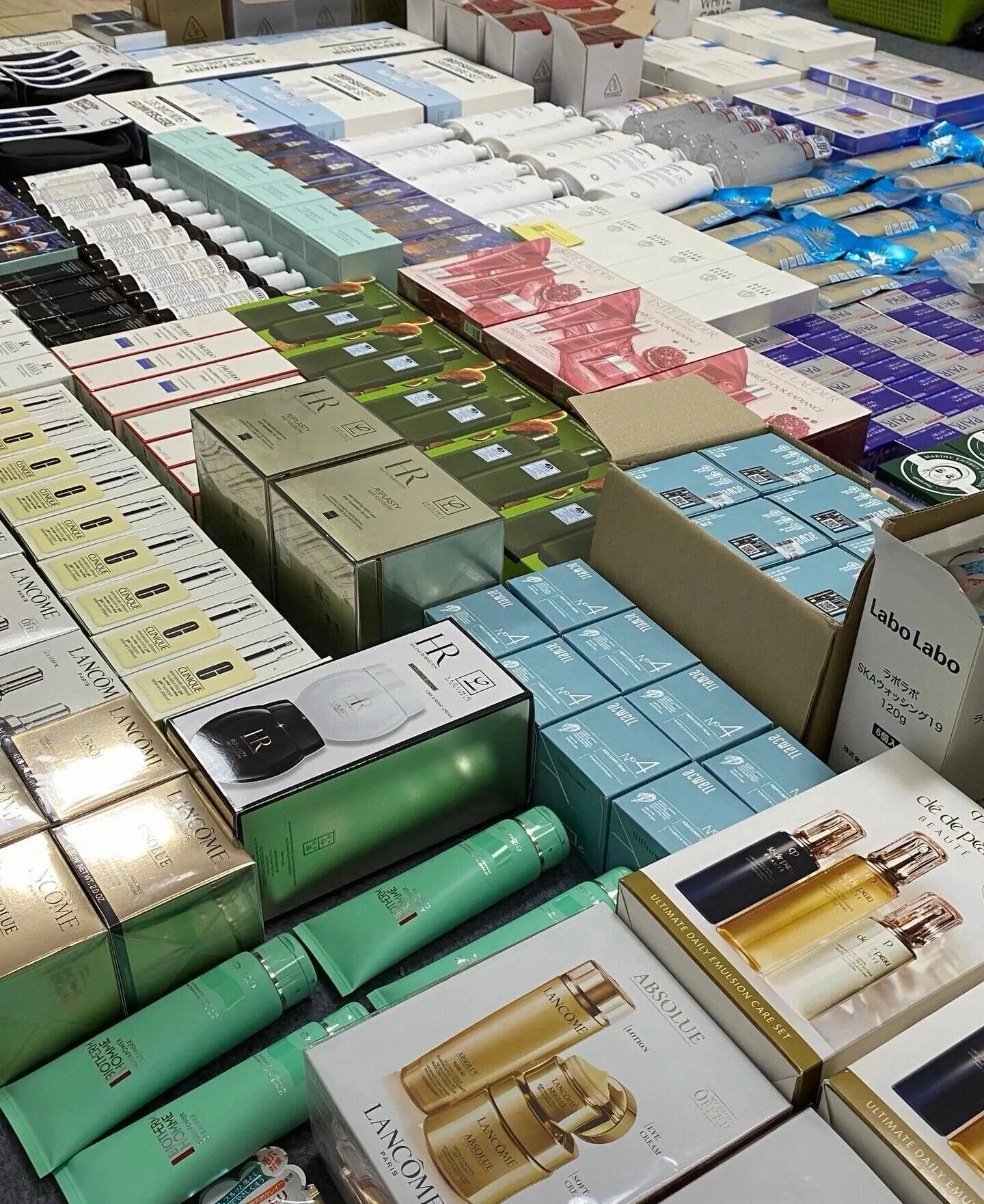
Price Examples:
- Estée Lauder Advanced Night Repair: ~315 RMB (retail 850 RMB)
- La Mer Moisturizing Cream: 40-60% off retail
- SK-II Facial Treatment Essence: significant savings
Key Advantages:
- “Fake one, compensate ten” policy with quality inspection department
- Fast shipping from Shenzhen’s logistics hub
- Popular with daigou (personal shoppers) and e-commerce sellers
- Accepts WeChat Pay, Alipay, and some international cards
Best For: E-commerce sellers, daigou agents, livestream sellers, bargain hunters living in China
Shopping Tips: Visit in the afternoon (most shops open after 13:00). Prices are negotiable, especially for multiple items. The market policy is “no returns after leaving the counter” except for quality issues, so check products carefully before purchasing.
6. Yiwu International Trade City Cosmetics Zone

Market Profile: Small-batch wholesale, extensive variety
Address: 238 Binwang Road, Yiwu City, Zhejiang Province
Operating Hours: Mon-Sun, 8:30-17:00
English Friendliness: Good (Yiwu is accustomed to international buyers)
In Yiwu International Trade City, cosmetics and beauty products are mainly concentrated on the 3rd floor of District 3.
Location Details:
- Market: Yiwu International Trade City – District 3
- Floor: 3F
- Address: 238 Binwang Road, Yiwu City, Zhejiang Province
Official Floor Categories (District 3, 3F):
- Cosmetics
- Cosmetic Accessories
- Beauty & Hair Care Products
- Mirrors & Combs
- Apparel Accessories and Trims
What This Area Specializes In
This floor is the core sourcing area for mass-market beauty products and accessories, offering an extensive selection with strong price competitiveness.
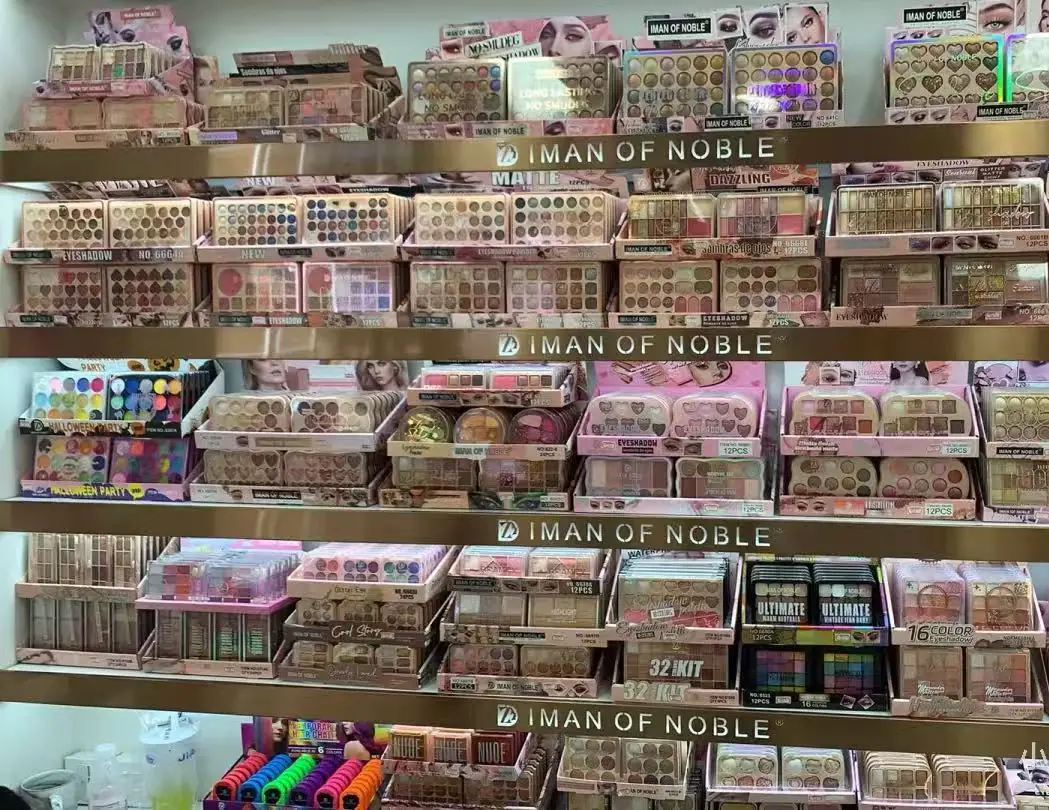
You will mainly find:
- Color cosmetics – lip gloss, eyeshadow palettes, blushes
- Beauty tools – makeup brushes, sponges, eyelash tools
- Nail products – press-on nails, nail art tools and accessories
- Personal beauty accessories – mirrors, combs, small grooming items
Styles range widely, including Japanese-inspired designs, European and American trends, and Chinese-style aesthetics, making it easy to source for different markets.
Key Advantages:
- Adjacent to train station and bus terminal—extremely convenient
- Small-batch wholesale friendly (low MOQs)
- Open-shelf display for easy browsing
- Products ship nationwide and globally
- Very competitive pricing
- Many vendors have English capabilities and export experience
Best For: Small retailers, e-commerce startups, buyers looking for variety and flexibility
Shopping Tip: Yiwu is one of the most accessible markets for visitors. Many vendors have experience with export business and can assist with shipping arrangements.
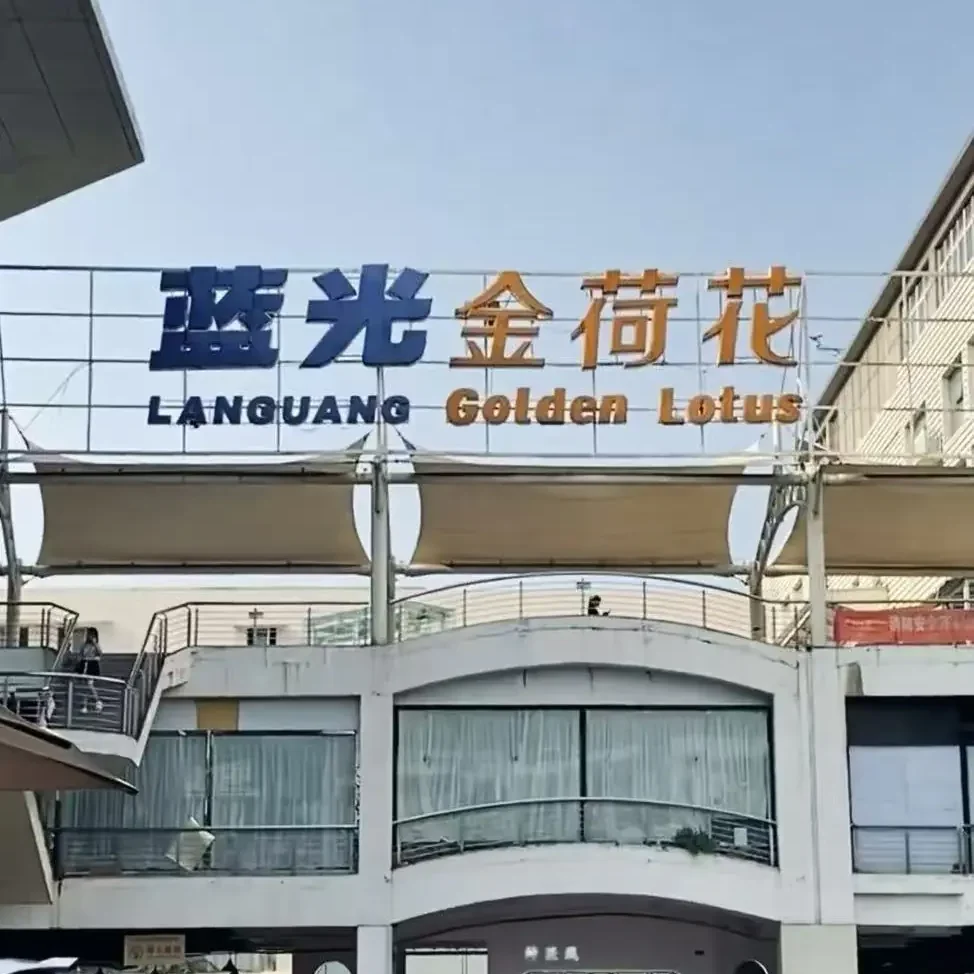
7. Chengdu Hehuachi Market – Blue Light Golden Lotus Beauty City
Market Profile: Comprehensive wholesale market with strong cosmetics division
Address: 18 Beizhang East First Road, Chengdu, Sichuan
Operating Hours: Mon-Sun, 3:00-18:00 (peak early morning 3:00-8:00)
English Friendliness: Limited
Covering 0.26 square kilometers with 400,000 square meters of buildings and nearly 30,000 merchants, Hehuachi consistently ranks among China’s top 100 trade markets. The cosmetics section is concentrated in Blue Light Golden Lotus Beauty City, Building B, Block 3.
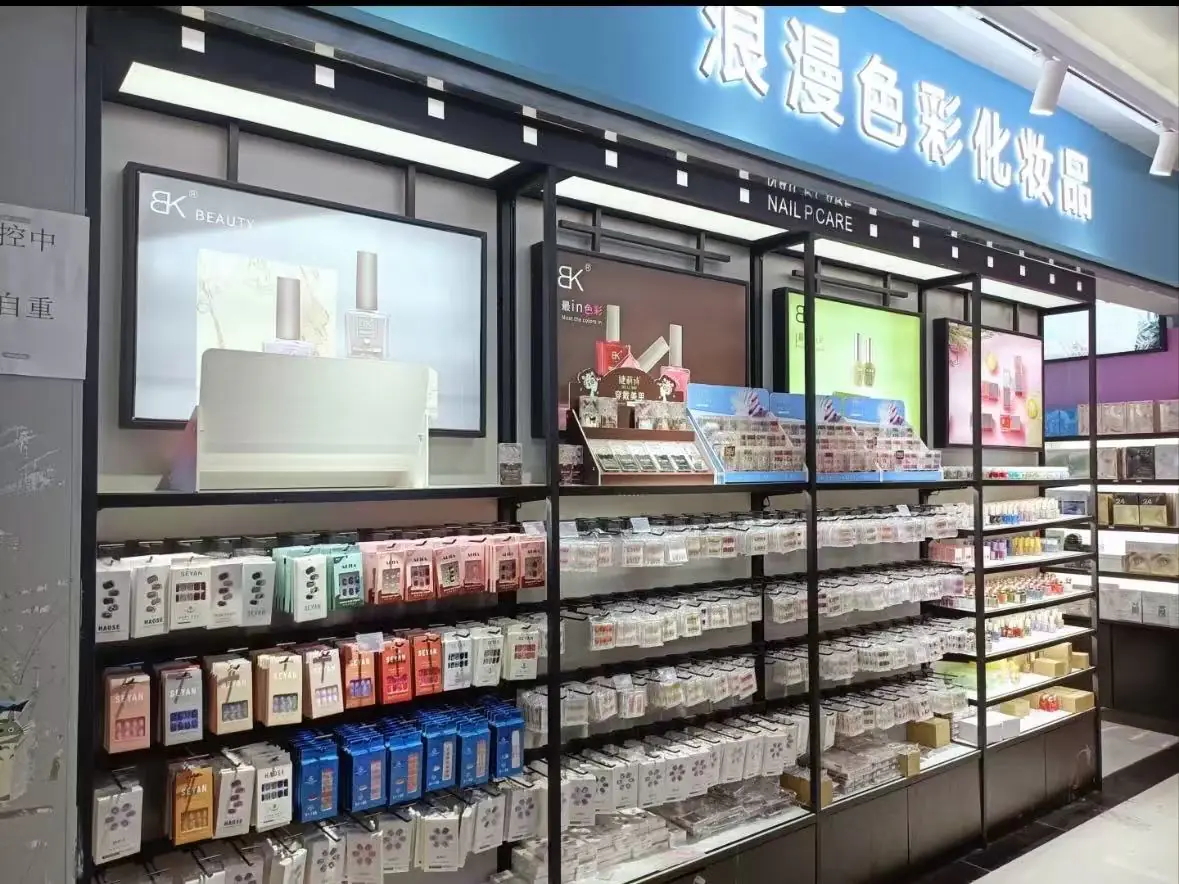
What You’ll Find:
- Comprehensive beauty and personal care products
- Regional brands popular in western China
- Multi-category shopping opportunity
Key Advantages:
- Southwest China’s largest commodity distribution center
- 300,000 daily visitors
- Serves Yunnan, Guizhou, Tibet, Xinjiang, and western provinces
- Convenient location near Chengdu Railway North Station
- One-stop shopping for multiple product categories
Best For: Southwest regional wholesalers, chain store regional purchasers, frontier area distributors
8. Weihai Korea Town – Hanlefang Korean Goods Center
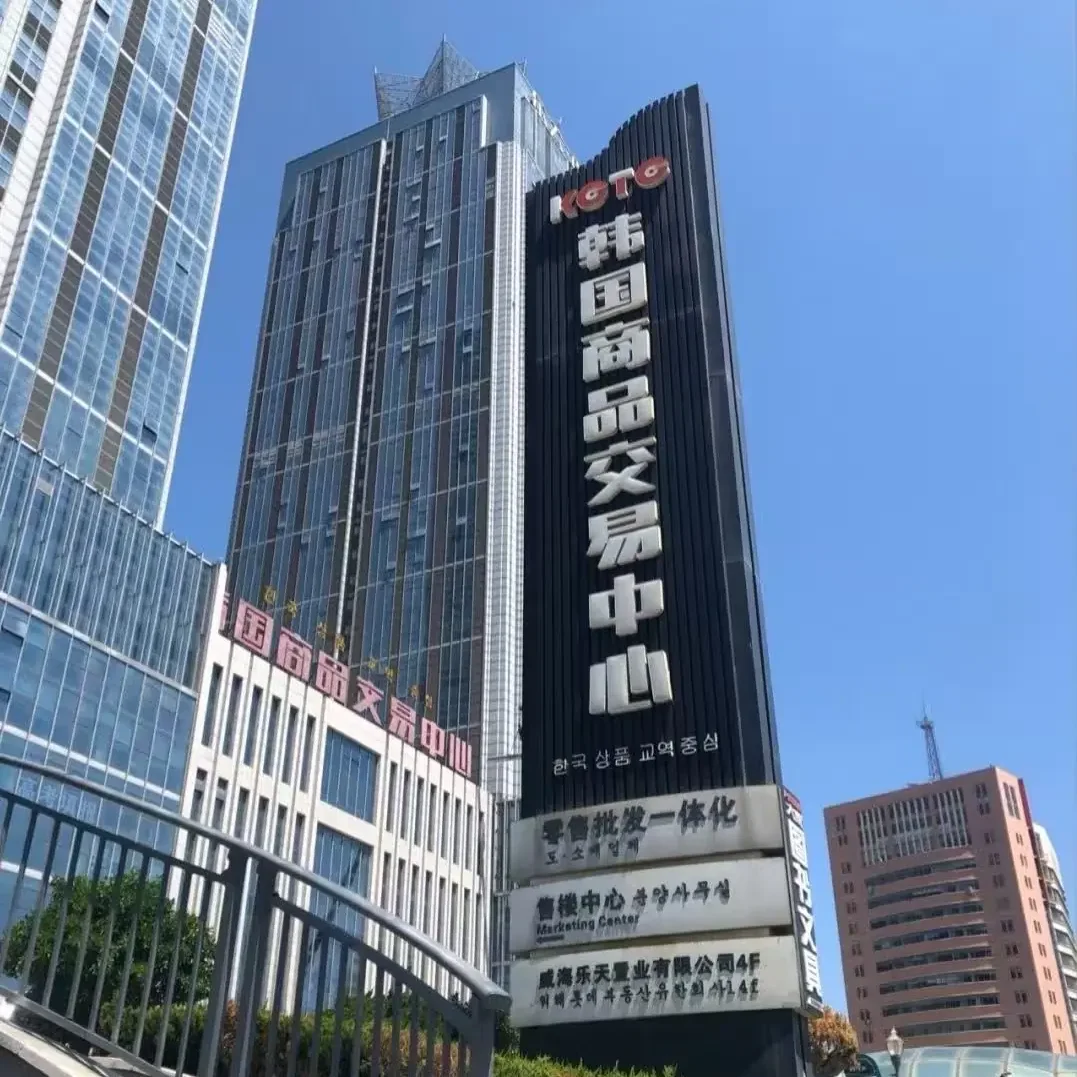
Market Profile: Authentic Korean imports hub, retail & wholesale
Address: Weihai Economic Development Zone / Near Weihai Railway Station
Operating Hours: Mon-Sun, 8:00-20:00
English Friendliness: Good
The Weihai Korean Goods Trading Center spans 9,000 square meters and serves as China’s premier gateway for authentic Korean products, leveraging Weihai’s status as the closest Chinese city to South Korea and the first city written into the China-Korea FTA.
What You’ll Find:
- Korean beauty brands: Sulwhasoo, The History of Whoo, Hera, AHC, OHUI, Innisfree
- Over 30,000 product varieties from 169+ brands
- Bonded warehouse direct purchase centers
- Korean food, daily goods, and small appliances
Key Advantages:
- Authenticity guarantee with 7,987 customs clearance records database
- Bonded warehouse pricing (significantly below retail)
- Daily ferry traffic from Korea ensures fresh stock
- China-Korea FTA preferential policies
- 20,000+ Korean residents ensure authentic curation
- Retail sales 15-35 million RMB, wholesale 160-220 million RMB annually
- Attracts 1,800+ distributors from 20+ provinces
Best For: Korean beauty product specialists, e-commerce sellers, distributors seeking authentic Korean imports
Shopping Tips: Combine shopping with Hanlefang district’s Korean dining and entertainment. QR code scanning available for instant online ordering with same-day delivery.
Specialty Production Hubs
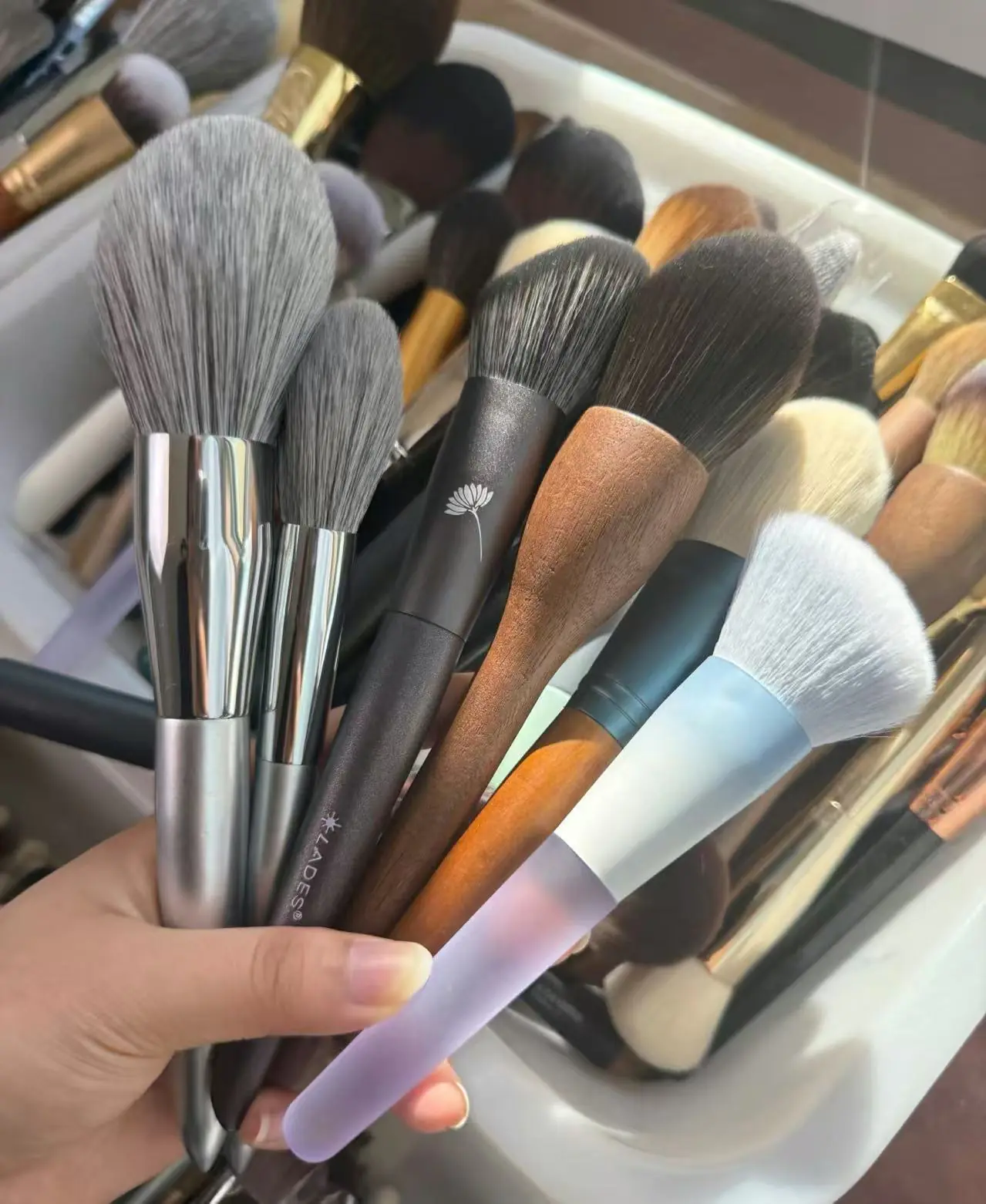
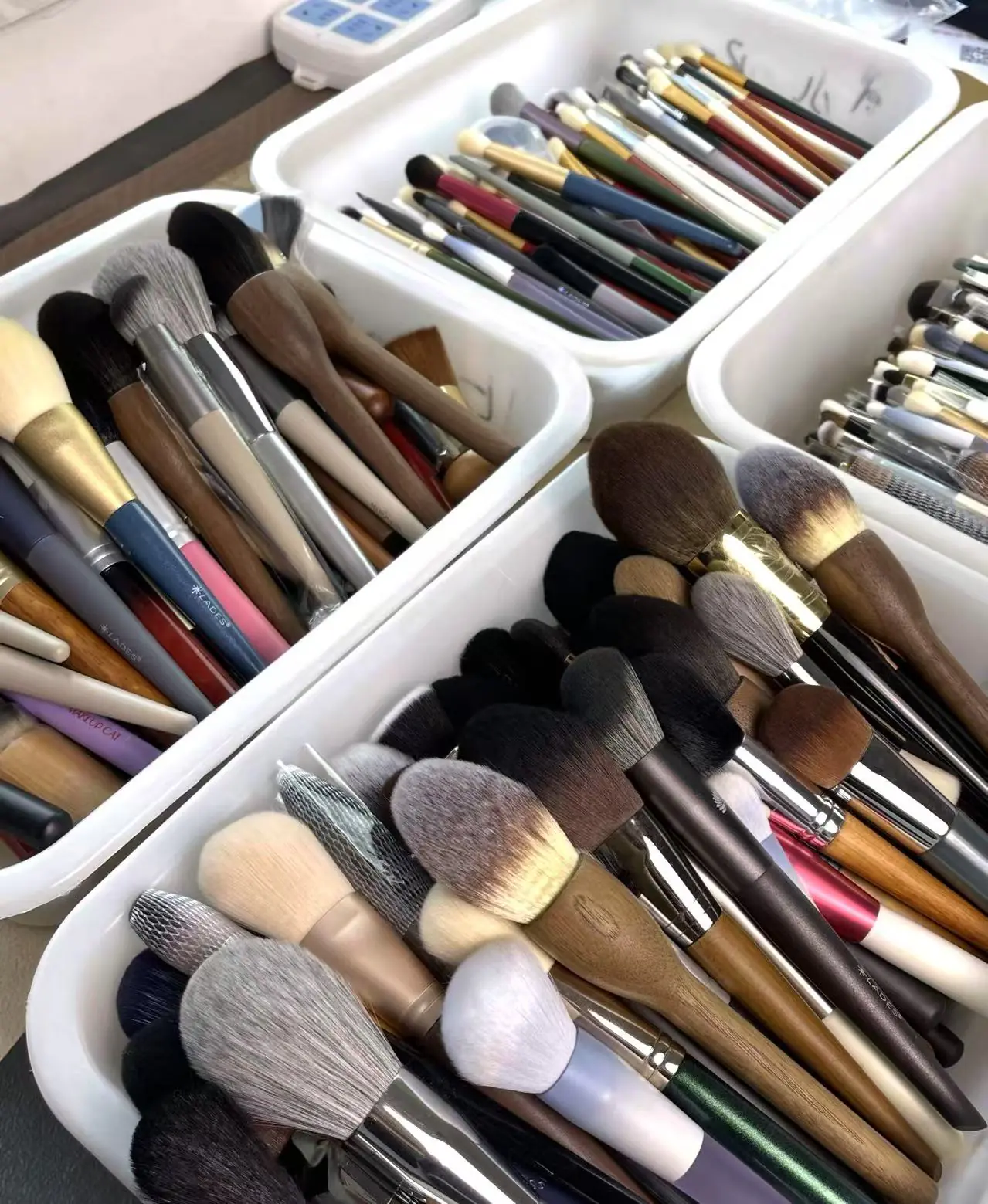
9. Cangzhou Makeup Brush Manufacturing Hub – “China’s Brush Capital”
Location: Qingxian County, Cangzhou City, Hebei Province
Industry Recognition: “China’s Makeup Brush Capital” (awarded 2021)
Industry Overview: The cosmetics industry has a saying: “Of China’s countless brushes, half come from Hebei Cangzhou.” This small county has quietly become one of the world’s most important makeup brush manufacturing centers.
Production Scale:
- 16,000 people employed in brush industry
- 253 registered makeup brush companies
- 2023 output value: 2.9 billion RMB
- Export value: 240 million RMB
- Over 50% domestic market share
- 80%+ of China’s high-end makeup brushes produced here
- Annual production exceeding 100 million brushes
Industry Development: The industry traces back to 1995 when Korean manufacturers established the first brush factories, attracted by proximity to Beijing/Tianjin (150km from Beijing), developed fur markets for quality materials, and low labor costs. At its peak, 40+ Korean brush companies operated here, producing for international brands like Chanel, MAC, Bobbi Brown, and SK-II.
Transformation Journey: After Korean companies gradually withdrew, local workers who learned world-class techniques started their own factories. The industry evolved from pure OEM manufacturing to developing respected domestic brands.
Manufacturing Excellence: Each brush undergoes dozens of hand-crafted processes including weighing bristles, combing, shaping with “dun cup” technique (inherited from Japanese Kumano tradition), handle assembly, gluing, and final trimming. The most difficult process, “dun xing” (shaping), requires years of experience to master.
Industry Infrastructure:
- Cangzhou Makeup Brush Industry Association (est. 2020)
- “Qingxian Makeup Brush Industry Standards”
- China-Qingxian Beauty Culture Industrial Park (est. 2022)
- 2,000+ online stores
- Complete supply chain from raw materials to finished products
Why Cangzhou Succeeded: Unlike many Chinese cities that hosted foreign manufacturers, Qingxian uniquely transitioned from OEM to developing its own brands, maintaining technical excellence while building domestic market presence.
Sourcing Opportunities:
- Direct factory access for custom orders
- Competitive pricing (significantly lower than international brands)
- High-quality OEM services
- Growing e-commerce integration
- Ability to produce both luxury and mid-range products
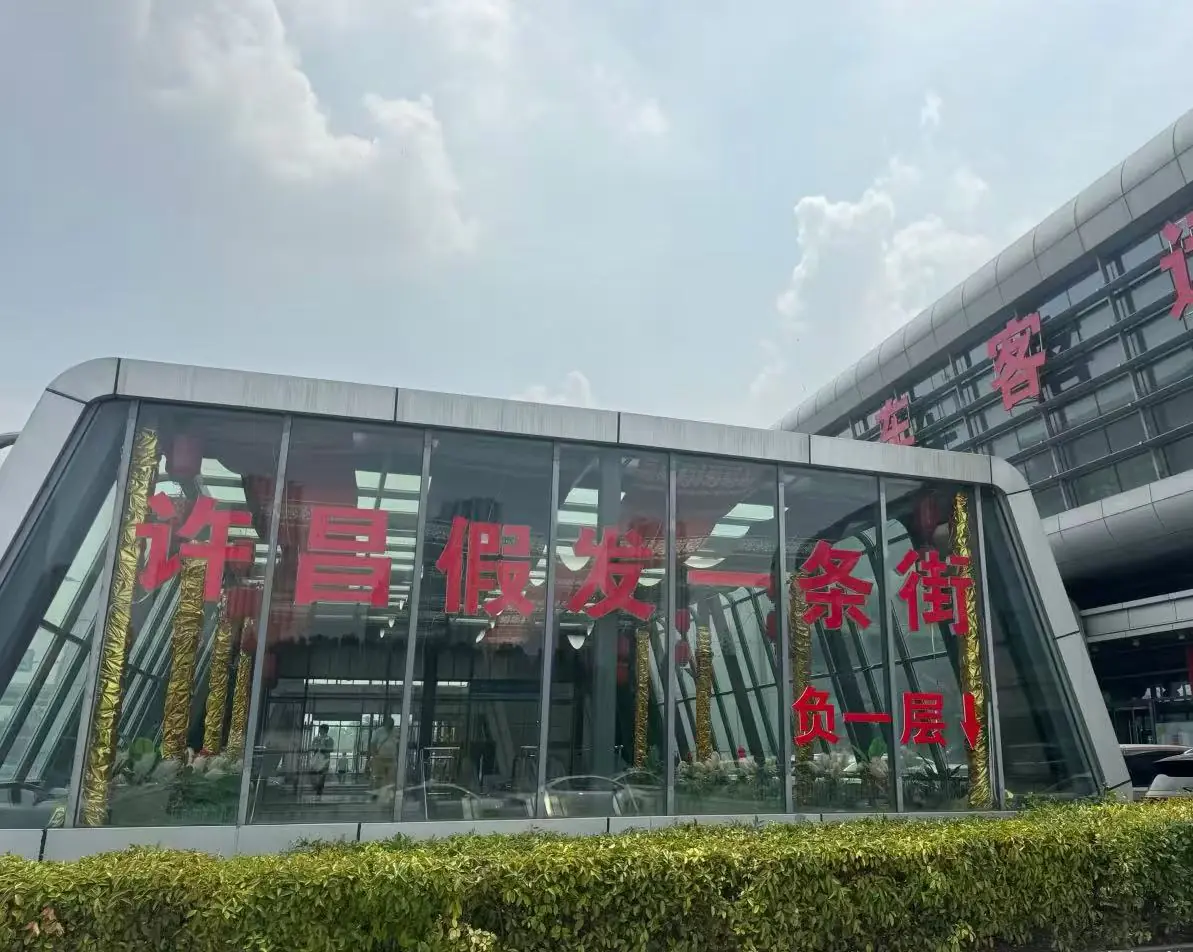
10. Xuchang Wig Manufacturing Hub – “Global Wig Capital”
Location: Xuchang City, Henan Province
Global Dominance: 6 out of every 10 wigs worldwide come from Xuchang
Industry Scale:
- 60%+ global market share
- Annual sales: 50-60 billion RMB (estimated)
- 2023 export value: 16.85 billion RMB (71% of city’s total exports)
- 400,000 people involved in wig industry
- 4,000+ wig factories and trading companies
- 120,000+ online stores (domestic and cross-border)
- Daily global sales: 40,000 wig sets
- Every 2 seconds, one Xuchang wig is sold on e-commerce platforms
Historical Legacy: The industry’s roots trace back to the Ming Dynasty (recorded in Xuchang County Chronicles). In the late Qing Dynasty, German merchant Hunter established the first hair trading business “De Xing Yi,” beginning Xuchang’s journey as a hair processing center.
Industry Evolution:
- 1960s: Became China’s wig processing center
- 1990s: Transformation from raw material processing to finished products
- 2003: Rebeibeca became “China’s first wig stock”
- 2010s: Cross-border e-commerce revolution
Product Range:
- Human hair wigs and extensions
- Synthetic fiber wigs
- Custom wigs for medical use
- Fashion wigs and hair accessories
- Professional theater and performance wigs
Manufacturing Complexity: Despite being a “small commodity,” wig production involves intricate processes: descaling, dyeing (multiple stages), cutting, sorting, weighing, arranging, weaving, curling, baking, lace-making, cap construction – requiring skilled craftsmanship at every stage.
Innovation & Technology:
- 714 patents
- 117 proprietary brands
- 654 overseas registered trademarks
- National Enterprise Technology Center
- Postdoctoral research stations
- Academician workstations for fiber development
- Pioneered China’s high-end synthetic hair fiber production
Cross-Border E-commerce Excellence:
- Ranked 3rd on AliExpress global bestseller list (2021)
- Leading category on Amazon (96 of top 100 wig sellers are Chinese, mostly from Xuchang)
- TikTok Shop category leader (OQ Hair)
- 4 cross-border e-commerce parks
- 3 training and incubation bases
- First cross-border e-commerce livestream base for wig industry (partnership with AliExpress)
Complete Industrial Chain: Xuchang offers the only complete wig industrial chain in China, from raw material sourcing (importing from India, Myanmar, Cambodia) through processing, manufacturing, design, R&D, to sales and export.
Sourcing Advantages:
- Direct access to world’s largest wig production base
- Flexible order quantities (thanks to fragmented production model)
- Rapid customization capabilities
- Competitive pricing across all quality tiers
- Established cross-border logistics infrastructure
- English-proficient sales teams for export business
Cultural Impact: Xuchang has transformed from street vendors collecting hair with the cry “trade hair for needles” to a sophisticated global industry hub powering beauty transformations worldwide, particularly serving African American and African markets where wigs are essential fashion items.
Practical Shopping & Sourcing Guide
Personal Shopping Tips
Best Markets for Individual Purchases:
- Shenzhen Mingtong – Best for luxury imports at discount prices
- Yiwu International Trade City – Most foreigner-friendly, accepts small purchases
- Guangzhou Meibo City – Good variety, some vendors flexible on quantities
Shopping Tips:
- Language: A translation app is helpful; some markets have English-speaking vendors
- Payment: Bring cash, WeChat Pay, or Alipay (most markets don’t accept international cards)
- Bargaining: Expected and encouraged—don’t accept the first price
- Timing: Weekdays are less crowded than weekends
- Verification: Check product authenticity—look for proper labeling and batch codes
Money-Saving Strategy: Products can be 30-70% cheaper than retail stores. A well-planned shopping trip can yield significant savings, especially on premium imported brands.
Wholesale Sourcing Guide
Choosing the Right Market:
By Product Type:
- High-end imported brands → Shenzhen Mingtong, Guangzhou Meibo City
- Chinese domestic brands → Guangzhou Xinfa Plaza, Yiwu International Trade City
- Budget daily cosmetics → Linyi Lantian, Chengdu Hehuachi
- Regional specialization → Choose markets closest to target provinces
By Business Scale:
- Large wholesalers/exporters → Guangzhou Meibo City
- Small-medium wholesalers → Xinfa Plaza, Yiwu International Trade City
- Retailers/e-commerce sellers → Shenzhen Mingtong, Yiwu International Trade City
Important Purchasing Considerations:
- Product Verification: Request quality certificates—domestic products need approval numbers, imports need customs documentation
- MOQ (Minimum Order Quantities): Varies by market and vendor; Yiwu offers most flexibility
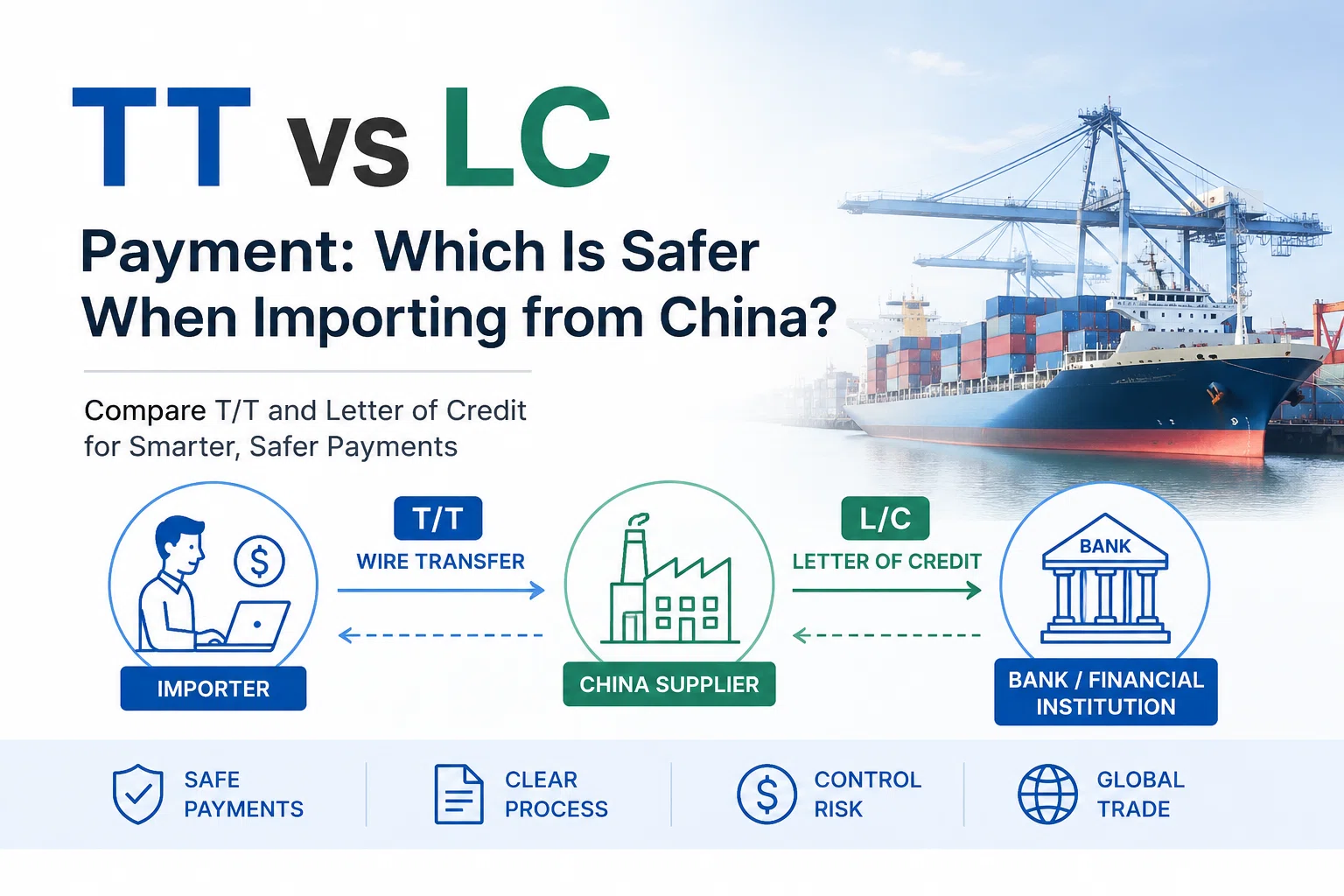
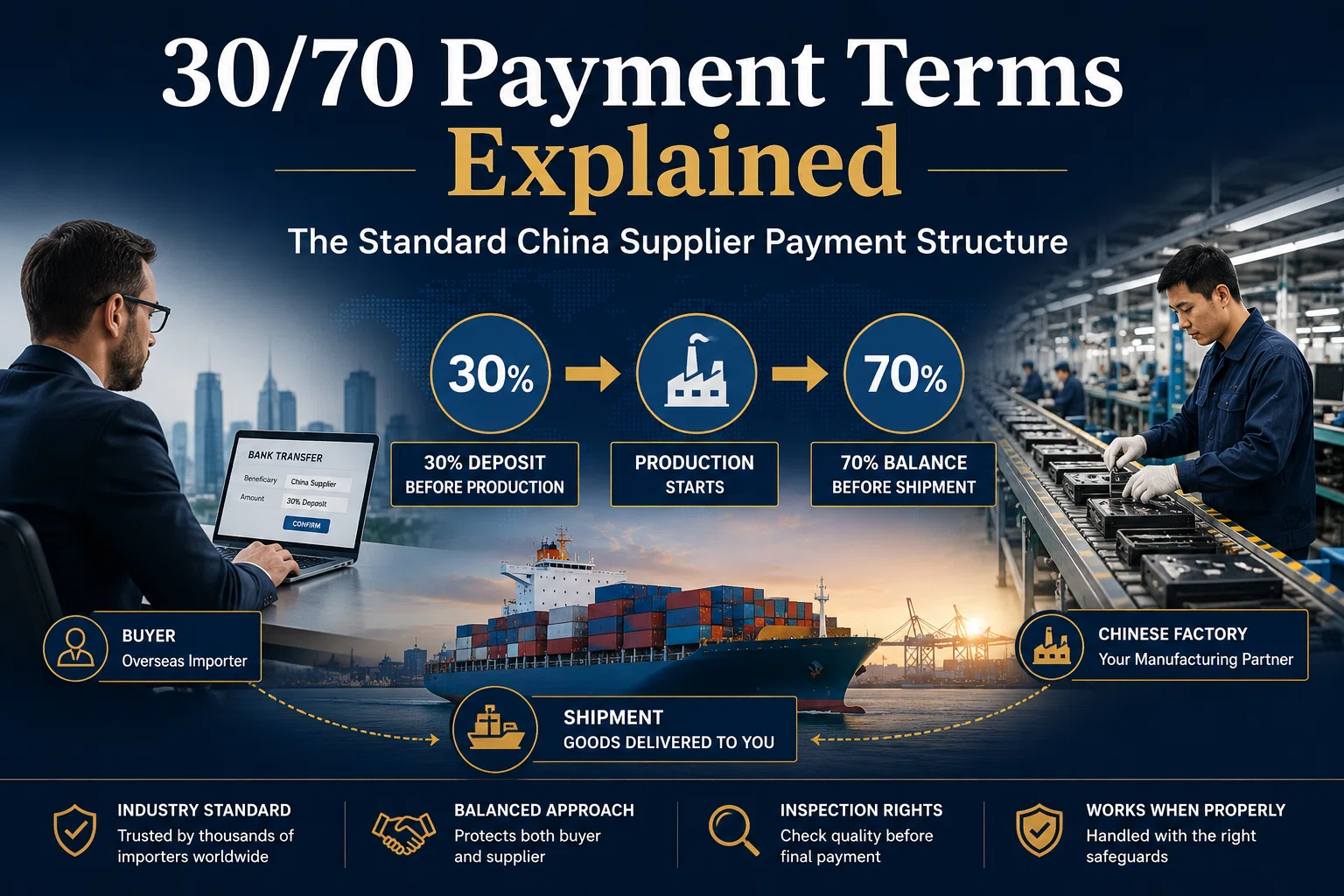
- Payment Terms: Negotiate in advance; many accept T/T, L/C for large orders
- Shipping: Markets typically have logistics partners; compare prices
- After-sales Policy: Clarify return/exchange conditions, keep purchase receipts
- Quality Control: Consider hiring a local QC inspector for large orders
Sourcing Process:
- Research Phase: Define product positioning and target market
- Market Visit: Tour 2-3 markets for comparison
- Supplier Selection: Choose 3-5 reliable suppliers
- Sample Testing: Order samples for quality verification
- Trial Order: Start with small batch to test market response
- Long-term Partnership: Establish strategic relationships with quality suppliers
Practical Travel & Logistics Information
Getting There
- Guangzhou/Shenzhen: Major hubs with international airports and metro connections to markets
- Yiwu: High-speed train from Shanghai (2 hours) or Hangzhou (1 hour)
- Other Cities: Accessible via domestic flights or high-speed rail network
Language Considerations
- Many wholesale vendors have limited English
- Translation apps (Pleco, Google Translate) are essential tools
- Consider hiring a local interpreter for major purchases
- Yiwu and Shenzhen Mingtong have more English-speaking vendors
Payment Methods
- Cash: Still widely accepted, especially in traditional markets
- Mobile Payment: WeChat Pay and Alipay (require Chinese bank account)
- Credit Cards: Rarely accepted in wholesale markets
- Bank Transfer: For large wholesale orders
Business & Cultural Tips
- Bargaining: Part of market culture—vendors expect negotiation
- Building Relationships: Chinese business culture values long-term relationships (guanxi)
- Business Cards: Useful for wholesale business dealings
- Patience: Transactions may take time; allow adequate time for negotiations
Start Your China Beauty Market Journey
China’s cosmetics markets offer unparalleled variety and value, from luxury international brands at significant discounts to unique local products you won’t find elsewhere. Success comes from knowing which markets to visit and how to navigate them effectively.
Need guidance navigating China’s beauty markets? We provide professional sourcing and shopping assistance services, from market tours and supplier vetting to quality control and logistics coordination. Whether you’re planning a shopping trip or establishing a supply chain, our local expertise helps you find authentic products, fair prices, and reliable service.
This guide is based on the latest 2025 market information. Market details may change—we recommend confirming hours and locations directly before visiting.

Berry Bian is the blog editor at iHome, focusing on global sourcing, wholesale trends, and practical tips for international buyers. With experience in digital marketing and cross-border trade, Berry shares insights that help small and medium businesses source products more efficiently and avoid common pitfalls. Passionate about connecting buyers with reliable suppliers, Berry writes with a clear and friendly style to make complex topics easier to understand.