






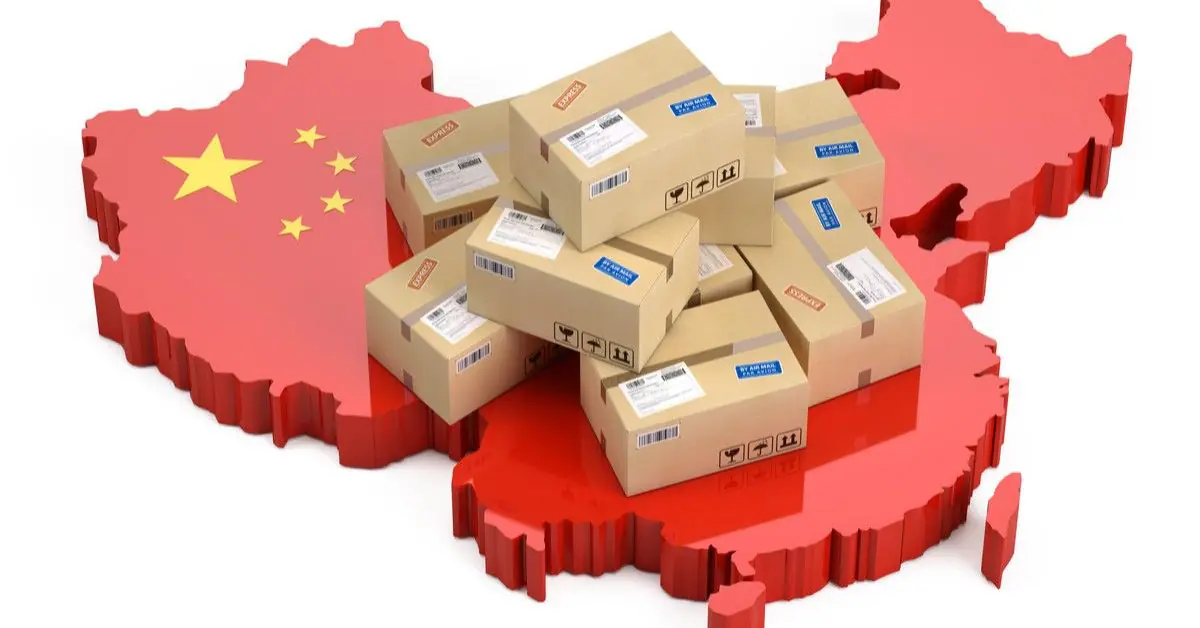
China is known as the world’s factory. Many international businesses choose to buy in bulk from China to save costs and increase profit. China offers low prices, a wide range of products, and large production capacity. However, buying large quantities also comes with serious risks. You may face language issues, unreliable suppliers, and poor product quality. Shipping delays and payment risks are also common。
If you plan to buy products in bulk from China, it’s important to understand these challenges. This guide will help you avoid mistakes and protect your business.
1. Language Barriers in Bulk Buying from China
1.1 Miscommunication Leads to Costly Mistakes
When you buy products in bulk from China, language can become a real problem. Many Chinese suppliers have limited English skills. When details are unclear, mistakes happen. You may receive the wrong size, material, or color. Product labels may have errors. Packaging could be different from what you expected.
These errors cost time and money. Fixing them after production is expensive. In some cases, you may not be able to sell the products at all.
To avoid these problems, you can use simple text, clear instructions and pictures. Avoid using slang or complicated terms. Remember to confirm key details several times. If possible, work with a bilingual Chinese sourcing agent to avoid communication barriers.
1.2 Cultural Differences Affect Business Expectations
Western and Chinese business habits are not the same. This often leads to misunderstandings. In Chinese business culture, people often say “yes” to avoid conflict. But it doesn’t always mean full agreement. In China, saying “yes” can mean “I understand,” not “I agree.” Some suppliers avoid saying “no” even when they are unsure. They may also avoid direct disagreement to keep the conversation polite.
You may think the deal is final, but the supplier still sees it as flexible. You may expect quick updates, but they may only contact you near deadlines. Remember to confirm everything in writing. Repeat key points in subsequent messages. Use simple, polite language. Be patient, but firm.

2. Identifying Real Suppliers When Buying in Bulk from China
Finding the right supplier is one of the hardest parts when you buy in bulk from China. Many listings on China wholesale platforms look the same. But not all suppliers are real manufacturers. Some are trading companies that act as middlemen. These middlemen raise your cost and limit control over quality.
2.1 How to Spot Factories vs. Trading Companies
Factories produce goods directly. Trading companies buy from factories and resell. Both may claim to be factories online. Both can be useful, but factories usually offer better prices and control.
How to tell the difference:
- Factories focus on a single product category.
- Trading companies often sell many unrelated products.
- Ask about production steps. A real factory can explain them clearly.
- Request a live video call or factory photos.
2.2 Check Business Licenses and Certifications
When you buy in bulk from China, always check if the supplier is legally registered. A real factory should have a valid business license. Ask for a scanned copy or photo of the license. Look for:
- Company name
- Registration number
- Business scope (should include manufacturing)
- Registration address
Make sure the company name on the certificate matches the company name on the license. Many scams come from fake companies. Be vigilant if a vendor refuses to share legal documents.
2.3 Verify Factory Capabilities
Not all factories can handle bulk orders well. Some may say they can produce large quantities, but lack the equipment, staff, or experience to do it right. When you buy in bulk from China, you must check if the factory is truly capable.
Here’s what to verify:
- Production capacity – Ask how many units they can make per day or month.
- Workshop size – A real factory should have a physical space, not just an office.
- Number of workers – Too few workers may cause production delays.
- Machines and technology – Make sure they use the right tools for your product.
- Previous orders – Ask for examples of bulk orders they have completed.
You can also request videos or pictures of the workshop. Or request a live video call to see the factory in action. If possible, request samples or visit the site through a third party inspection company. If the supplier avoids these checks or gives unclear answers, they may not be reliable. Work with a verified supplier or use a China product sourcing agent to confirm factory strength.
2.4 Avoiding Scams on B2B Platforms
When you buy in bulk from China, B2B platforms like Alibaba, Made-in-China, or Global Sources are a common starting point. But not every supplier on these sites is trustworthy. Some are fake companies. Others may take your payment and ship poor-quality goods—or nothing at all.

To avoid scams, look for verified suppliers with strong reviews and a solid business history. Be cautious of offers that are far below market price, as they often signal fraud or low-grade products. Don’t pay 100% upfront unless you fully trust the supplier. Start with a small deposit and pay the balance after product inspection.
Also, use secure payment methods like PayPal, credit card, or escrow services. Avoid moving the deal off the platform too soon, especially if the supplier insists on using personal email or messaging apps. If you’re unsure, consider hiring a professional China sourcing agent to help you screen suppliers and reduce risk.
2.5 Communicate Directly and Test Their Expertise
Clear communication is key when you buy in bulk from China. A reliable supplier should respond quickly and answer your questions with confidence. If their replies are slow, vague, or inconsistent, it may be a sign of inexperience or dishonesty.
Before placing a large order, ask detailed questions about the product, materials, and production process. A real manufacturer will understand your needs and offer helpful suggestions. You can also test their professionalism by requesting a sample or trial order. This allows you to check both product quality and service level. If possible, schedule a video call to see how they handle communication in real time. Strong communication builds trust and reduces mistakes.
If you struggle to get clear answers, it’s best to walk away or work with a trusted China sourcing agent who can manage supplier contact for you.
3. Quality Risks in Bulk Orders from China
3.1 Why You Need Product Inspections
When you buy in bulk from China, never skip product inspections. Even if the supplier looks reliable, mistakes can still happen during production. Materials may not match your sample. Sizes, colors, or packaging might be wrong. In some cases, entire batches arrive damaged or unusable.

Inspections help you catch problems early—before the goods are shipped. Relying only on supplier promises is risky. Once the goods leave China, fixing problems becomes difficult and expensive. A one-time inspection fee is small compared to the cost of receiving a bad shipment.
You can hire a third-party inspection company to visit the factory and check random samples. They look for defects, check product details, and take photos. This gives you real proof of quality.
3.2 Inconsistent Quality Between Batches
When you buy in bulk from China, getting one good sample doesn’t guarantee the whole order will match. Many buyers receive high-quality samples, only to find that the final bulk shipment is very different. This is a common issue—especially with repeat orders over time.
Why does this happen? Sometimes the factory changes materials to cut costs. Other times, different workers or subcontractors handle later batches. If your product has no fixed specifications, it’s easy for small changes to slip through. Over time, quality may drop without you noticing—until complaints from your customers start.
To avoid this, always set clear product standards. Use photos, measurements, and material details. Make sure these are part of your contract or purchase order. Also, do inspections for every shipment, not just the first one. Quality control should be ongoing—not a one-time event.
4. MOQ Too High? Bulk Buying Challenge for Small Buyers
4.1 What is MOQ and Why it Matters
MOQ means “Minimum Order Quantity.” It’s the lowest number of units a supplier is willing to produce in one order. When you buy in bulk from China, you’ll often see MOQs of 500, 1,000, or even more—especially for custom products.
Why does it matter? Because high MOQs can block small buyers from working with good factories. Suppliers set MOQs to keep production costs low and profits stable. Producing fewer units often means higher costs per item, more waste, and more time spent per order. If your order is below the MOQ, suppliers may refuse to work with you. Or they may raise the price. For small businesses or first-time importers, this creates real challenges. You might be forced to order more than you need—or miss out on a good product.
Understanding MOQs is key when planning your order. It helps you find the right supplier and avoid wasting time on deals that don’t fit your budget.
4.2 Tips to Negotiate Lower MOQs
If you’re a small buyer trying to buy in bulk from China, high MOQs can be a big problem. But in many cases, MOQs are flexible—if you know how to negotiate.
Start by showing that you’re serious. Let the supplier know you plan to place more orders in the future. Even if your first order is small, building a long-term relationship can give you more bargaining power. You can also ask if they have stock products or unfinished goods. These often require lower MOQs than fully customized items. Another tip is to reduce the number of variations. For example, instead of ordering five colors, start with just one. Simplifying the order makes production easier and more acceptable to the supplier. You can also offer to pay a slightly higher unit price in exchange for a lower MOQ—many suppliers will agree if they still make a profit.
If negotiations don’t work, try using a China sourcing agent. Agents often have established factory relationships and may help you get better terms than going direct.
5. Production Delays in Bulk Purchases from China
5.1 Common Causes of Manufacturing Delays
When you buy in bulk from China, delays happen often. Many buyers face slow production with no clear reason.
One cause is material shortages. During busy seasons, factories may run out of raw materials. Holidays also affect timelines. After Chinese New Year or Golden Week, factories often lose workers. It takes time to restart full operations. Machine breakdowns or overbooked factories are also common issues.
Even small product changes can delay production. New packaging or color changes may require new molds. Always confirm final details before production starts.
5.2 How to Build Buffer Time into Your Schedule
To avoid stress, add buffer time to your schedule. Don’t expect everything to be perfect. When you buy in bulk from China, it’s best to allow 2 to 4 weeks for your delivery time. Remember to ask for a written production schedule. Follow up often. Get photo or video updates regularly or irregularly. Don’t rely on promises without proof.
Try to order early, especially before a Chinese holiday. It’s always a slow time. A trusted purchasing agent in China can help track progress and move the plant forward when needed.
6. Shipping and Payment Risks in Bulk Buying from China
6.1 Choosing the Right Incoterms (FOB, CIF, etc.)
When you buy in bulk from China, understanding Incoterms is key. They decide who pays for shipping, who takes the risk, and when responsibility transfers.
FOB (Free on Board) means the supplier sends the goods to a port in China. From there, you take over shipping and insurance. This gives you more control and can help reduce costs if you work with your own freight forwarder.
CIF (Cost, Insurance, and Freight) includes shipping and insurance to your port. The supplier handles more steps. It’s easier for beginners, but you may pay more and have less control.
CFR (Cost and Freight) is similar to CIF, but it does not include insurance. The supplier covers shipping only. If anything goes wrong during transit, you’re responsible. It’s important to know this difference.
If you’re unsure which term to use, ask your China sourcing agent. They can help choose the right term based on your budget, timeline, and experience.
6.2 Safe Payment Methods for International Orders
Payment is another risk when you buy in bulk from China. Paying the wrong way can lead to loss of money, fraud, or delayed shipments.
The safest methods are PayPal, credit card, or Alibaba Trade Assurance. These offer some level of buyer protection. But many suppliers prefer bank transfer (T/T). If you use this, never pay 100% upfront. A common and safer method is 30% deposit, 70% after inspection.
Avoid Western Union or personal transfers. These are hard to track and offer no protection. Always confirm bank details directly with the supplier. Scammers sometimes hack emails and send fake account numbers.
For extra safety, you can work with a China sourcing agent. They help manage payments, hold deposits, and confirm each step before you release full payment.
7. Returns & Disputes in China Bulk Purchases
7.1 Why Returns are Difficult and Expensive
When you buy in bulk from China, returns are often hard to handle. Shipping goods back to China costs a lot. Customs procedures can be complicated and slow. Many suppliers don’t accept returns unless the problem is serious and clearly their fault.
Disputes over product quality or order mistakes can be frustrating. Communication barriers and distance make resolving issues more complex. Small claims are often ignored, and legal actions are costly.
7.2 Solutions: Inspection, Contracts, Clear Agreements
The best way to avoid returns is to prevent problems upfront. Always do product inspections before shipment. Clear contracts with detailed product specs and delivery terms protect you. Include quality standards, penalties for delays, and return policies in writing. Use trade platforms like Alibaba Trade Assurance that offer dispute support.
If problems arise, try to solve them quickly by communicating calmly and clearly. If you work with a trusted China sourcing agent, they can help mediate disputes and negotiate solutions.
Conclusion
Buying in bulk from China offers great opportunities but also comes with challenges. Language barriers, supplier verification, quality control, high MOQs, production delays, and payment risks all require careful attention. By understanding these common challenges, you can plan better and avoid costly mistakes.
Always do thorough research and inspections. Negotiate MOQs wisely and build buffer time into your schedule. Choose safe payment methods and clear shipping terms. Working with a reliable China sourcing agent can make the process smoother and safer.
If you’re ready to buy in bulk from China with less risk and more support, contact us today to learn how our team can help you succeed.

Berry Bian is the blog editor at iHome, focusing on global sourcing, wholesale trends, and practical tips for international buyers. With experience in digital marketing and cross-border trade, Berry shares insights that help small and medium businesses source products more efficiently and avoid common pitfalls. Passionate about connecting buyers with reliable suppliers, Berry writes with a clear and friendly style to make complex topics easier to understand.