







Finding a reliable coffee machine supplier is essential for any business involved in coffee retail, hospitality, or appliance distribution. Whether you are a startup café or a distributor expanding your product line, working with the right supplier can impact your profit, quality, and customer satisfaction. In this guide, we will walk you through five important things to check before working with coffee machine suppliers.
1. Is the Coffee Machine Supplier Experienced in Your Target Market?
1.1 Worked with Clients in Your Country or Region
Experienced coffee machine suppliers usually have served clients in multiple countries. You can ask for their past client list, shipment records, or real product photos. If they’ve shipped to your region before, it’s a good sign. For example, buyers in Europe need energy-efficient machines. Middle Eastern markets care more about dual voltage. A supplier familiar with these details is more likely to meet your local needs and reduce your risk.
If the supplier can provide experience with similar projects, it shows that they have a mature understanding of your market’s regulations and user preferences. This will make cooperation more effective and reduce friction during product selection or certification.
You can also check online reviews, testimonials, or case studies of other businesses that have worked with the same coffee machine suppliers in your region. These references can help you evaluate their reliability before committing.
1.2 Knows Local Standards and Buyer Needs
Every country has different safety and compliance rules. The U.S. requires UL certification for many appliances. The EU market demands CE marking. If your supplier already understands these rules, you save time and avoid clearance issues. They might also suggest low-noise or fast-heating models based on local customer habits. This means fewer problems and better product reviews.
2. Verify Coffee Machine Supplier Certifications
2.1 Holds ISO, CE, or UL Certificates
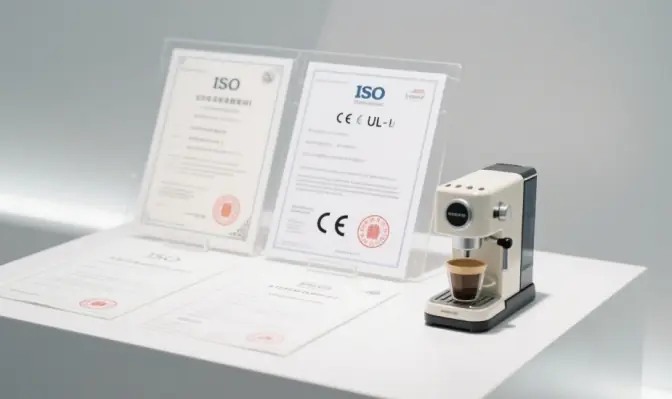
Certificates show the supplier can meet basic international standards. ISO 9001 confirms a company follows quality control procedures. CE proves a product is safe for European markets. UL is required in the U.S. for electrical appliances. Ask to see digital copies of these documents. Check if the certificate numbers are valid. This step helps you avoid unreliable or non-compliant products.
2.2 Provides Testing or Compliance Reports
In addition to certification certificates, third-party testing reports are also important. Qualified coffee machine suppliers will cooperate with agencies such as SGS, TUV, or Intertek. These tests often include electrical safety, noise level, temperature control, shell material safety, service life, and more. You should request the full testing report, not just the cover page. Pay attention to the testing standards used.
Some suppliers even perform food-contact safety tests to meet LFGB or FDA standards for parts that come into contact with water or coffee. This is especially important if your brand emphasizes health and sustainability.
You may also want to ask if the supplier regularly updates their reports or only performs them once per year. Frequent testing shows that they take compliance seriously and are willing to work with partners who require consistent product safety.
3. Can the Supplier Ensure Stable Lead Time and Support?
3.1 Clear Production and Shipping Timeline
Not all coffee machine suppliers are transparent with their workflow. That’s why confirming a clear production timeline before the first order is critical. A reliable coffee machine supplier should be able to give you a clear and realistic timeline. This includes every stage of the production process—from sample approval to final shipment. If a supplier cannot give you accurate lead time details, it becomes hard to plan your inventory or meet customer demands.
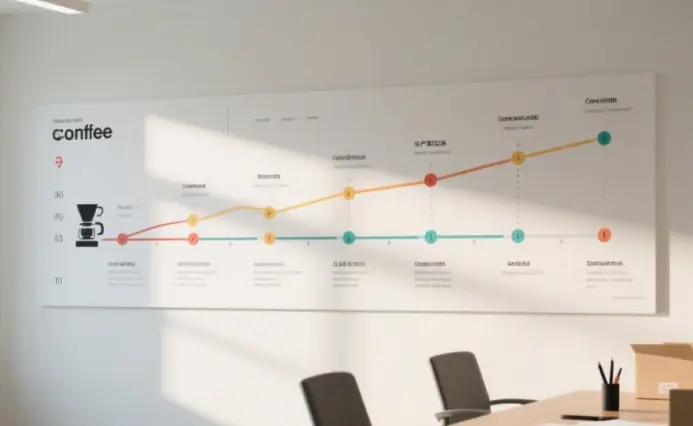
Start by asking for a complete schedule. The timeline should include design confirmation, raw material procurement, machine assembly, quality testing, packaging, and shipping. Each phase should have an estimated number of working days. Good suppliers may also provide visuals such as Gantt charts or shared spreadsheets to keep you updated on each step. Some suppliers use project tools like Trello to help you track progress. These tools help both sides track progress, avoid miscommunication, and spot any delays early.
3.2 Offers After-Sales or Warranty Service
A strong warranty or after-sales policy is a must when choosing a coffee machine supplier. No matter how well the machines are made, some issues may still arise during shipping, setup, or use. What matters is how quickly and clearly the supplier supports you when that happens. Check if the supplier offers a formal warranty.
A typical warranty period ranges from 12 to 24 months. Ask what the warranty covers
— does it include parts replacement, labor, or only factory defects? Also, see if they provide responsive online service to help resolve issues efficiently without delays.
3.3 Handles Delays or Production Issues
Unplanned delays can damage your sales schedule and customer trust. Whether the cause is raw material shortages, equipment failure, factory shutdowns, or port congestion (see FreightWaves for updates) can happen. The key is how the supplier responds.
Experienced coffee machine suppliers often have a contingency plan for common issues such as peak season bottlenecks, electricity rationing, or unexpected port policies. You should ask your supplier what backup plans they have in place. Many reliable suppliers keep extra stock of critical components or work with several sub-suppliers. Some also operate multiple production lines so they can shift orders if needed.
4. Confirm Coffee Machine Supplier MOQ and Pricing
4.1 Determine the MOQ of the Product
MOQ stands for minimum order quantity. Some coffee machine suppliers require 300 units or more. If you’re a small buyer, ask if they allow test orders. Some coffee machine suppliers allow flexible MOQs if you order multiple SKUs. For example, you can mix semi-automatic and capsule coffee machines in one shipment. Some suppliers let you mix models in one shipment to meet the MOQ. This helps reduce your startup risk.
4.2 Sample or Trial Orders Available
Before buying in bulk, test the product. Order a sample to check build quality, noise level, and features like pressure and temperature control. Also ask for the original packaging. It helps you evaluate the unboxing experience. Some suppliers refund the sample cost after placing a full order. This shows they’re serious about long-term cooperation.
4.3 Transparent Pricing, No Hidden Costs
Avoid surprises in your invoice. Ask for a complete cost list. This should include the product price, packaging fee, logo printing, and shipping costs. Ask if there are mold fees or certification costs.
Always ask coffee machine suppliers for an official quotation with a product code, unit cost, and clear shipping terms (FOB, CIF, or DDP). Transparent pricing makes budgeting easier and builds trust. It avoids misunderstandings later on.
5. Evaluate Coffee Machine Supplier Communication
5.1 Fast, Clear Replies in English
Strong communication is one of the most important traits of a reliable supplier. Before any contract is signed, observe how the supplier responds to your inquiries. A good coffee machine supplier usually replies within 12 to 24 hours with a clear, well-structured email. Their answers should match your questions and include extra useful information, like brochures, spec sheets, or shipping suggestions.
If the response is vague, full of errors, or delayed for days, it suggests future communication problems. Especially for long-term cooperation, poor communication can result in delays, wrong production, and costly mistakes.
5.2 Provide Clear Answers and Product Information
Professional suppliers know their products well. Ask about power specs, plug types, and available manuals. They should be able to answer all your questions in detail. If they are unsure or vague, they might not have full control of their production process.
If the supplier answers clearly with documents, diagrams, and reference photos, it shows they know the product well. If they don’t know the answers or change them frequently, this may mean poor coordination between sales and production teams.
5.3 Smooth Coordination Throughout the Process
Good communication doesn’t stop after placing the order. You need updates during production, photos of packed goods, and tracking numbers. Top coffee machine suppliers will assign a project manager or contact person. This makes coordination smooth and efficient. Keep written records of all changes and agreements.
Conclusion
Choosing among hundreds of coffee machine suppliers in China can be overwhelming, especially when you’re sourcing remotely. A good partner helps you avoid customs issues, delays, and quality complaints.
The global demand for coffee machines is growing fast. Whether you’re selling to cafés, resellers, or home users, working with the right coffee machine supplier gives you a strong edge. But don’t try to manage everything alone—especially if you’re new to overseas sourcing.
Ihome offer one-stop procurement services tailored for coffee machine importers. From supplier audits and sample checks to packaging customization and shipment follow-up, we handle every step. Our local team speaks your language and understands international standards.
Contact us now for a free consultation and start sourcing the right coffee machine supplier for your business today.

Berry Bian is the blog editor at iHome, focusing on global sourcing, wholesale trends, and practical tips for international buyers. With experience in digital marketing and cross-border trade, Berry shares insights that help small and medium businesses source products more efficiently and avoid common pitfalls. Passionate about connecting buyers with reliable suppliers, Berry writes with a clear and friendly style to make complex topics easier to understand.