







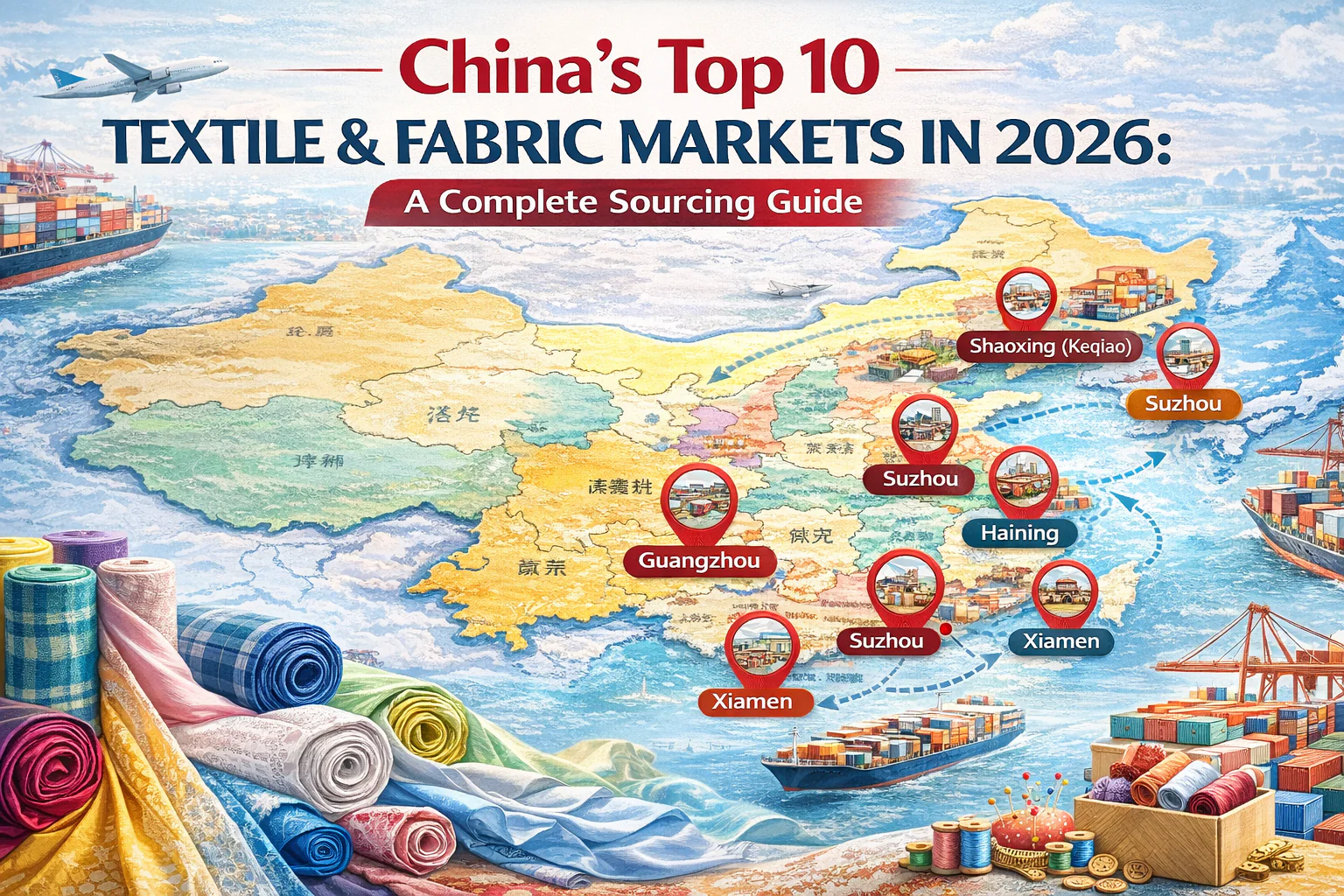
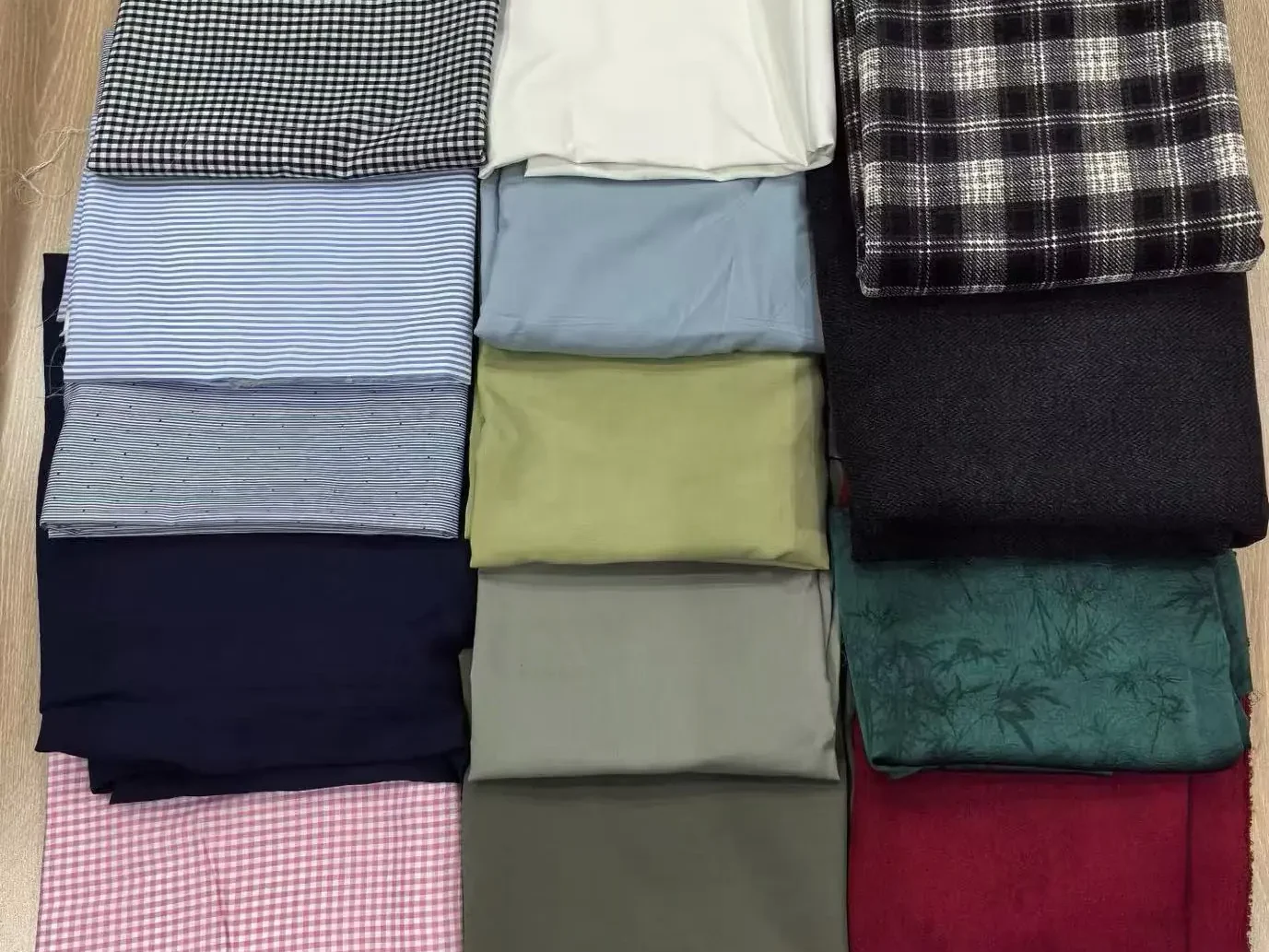
China’s textile industry is deeply connected to the global sourcing market, producing over 50% of the world’s textiles and fabrics. Several top production clusters and wholesale markets specialize in fabrics and materials, with hubs like Guangzhou Zhongda Fabric Market, Hangzhou Chinese Silk City, and Shishi Fabric City leading the way, offering premium textiles, silk, and home fabric supplies trusted by global buyers.
Whether you’re a fashion designer, home textile buyer, upholstery professional, or e-commerce seller, understanding China’s major textile and fabric production clusters is essential for successful sourcing. This guide explores the top fabric manufacturing bases and wholesale markets across China, helping you navigate this vast and sophisticated industry.
Why Source Textiles and Fabrics from China?
Global Manufacturing Dominance: China produces over 50% of the world’s textiles, with complete vertical integration from fiber production through weaving, dyeing, printing, and finishing.
Unmatched Variety: From luxurious silk and high-tech performance fabrics to everyday cotton and synthetic materials, China’s markets offer every type of textile imaginable.
Competitive Pricing: Direct access to production clusters means competitive pricing across all quality tiers—from budget mass-market fabrics to premium designer textiles.
Innovation and Technology: Chinese textile manufacturers lead in fabric innovation, including functional textiles (moisture-wicking, anti-bacterial), smart fabrics, and sustainable materials.
1. Hangzhou Silk Industrial Cluster – “Silk Capital of China”
Location: Hangzhou City, Zhejiang Province
Overview: With over 2,000 years of silk production history, Hangzhou is China’s premier silk manufacturing center and home to the world’s largest silk trading market. The cluster encompasses complete silk production from sericulture through weaving, dyeing, printing, and garment manufacturing.
Key Market Complex:
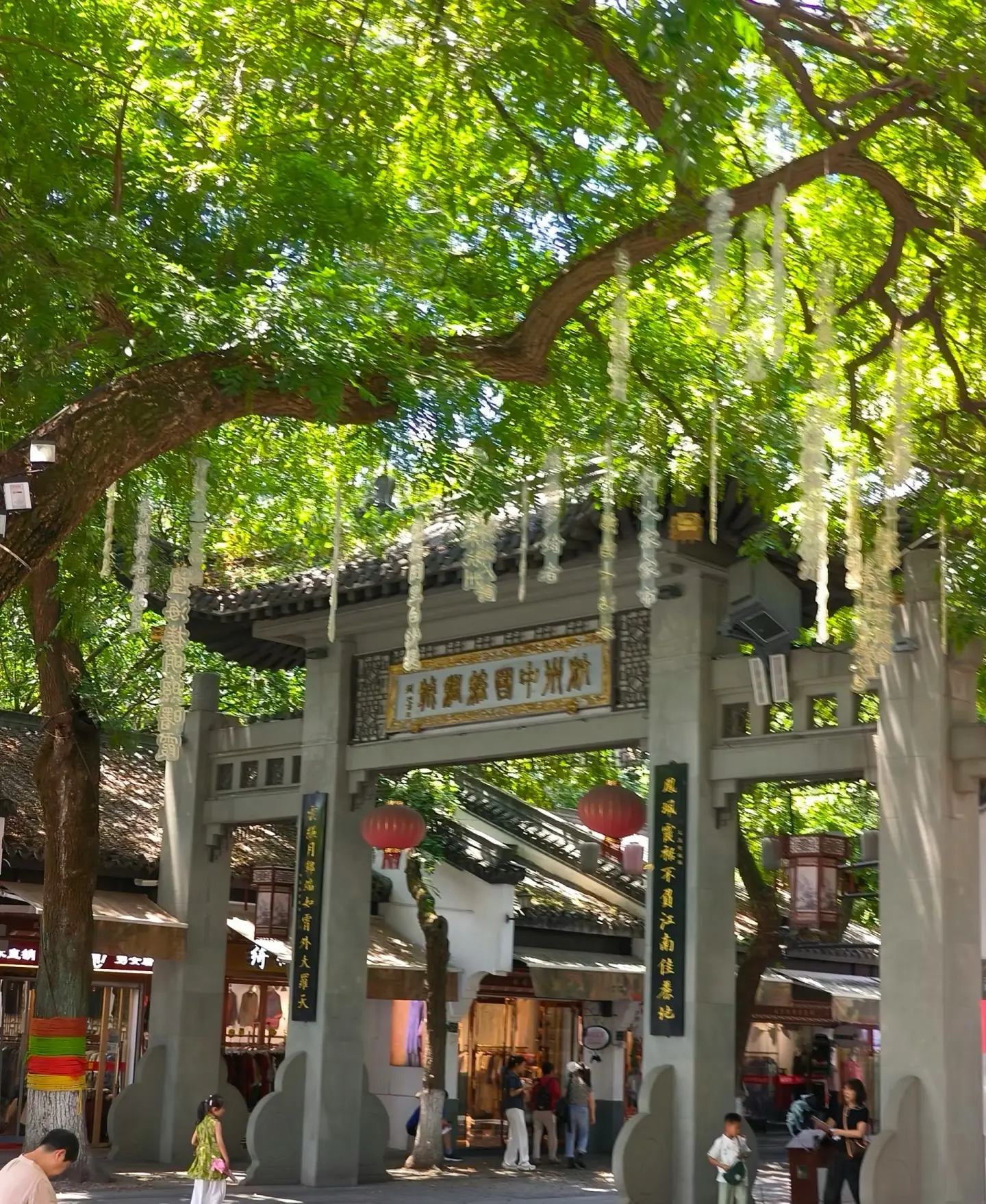
China Silk City (中国丝绸城):
- World’s largest professional silk market
- 4,000+ permanent merchants
- Annual trading volume: 30+ billion RMB
- 10 specialized trading zones covering 500,000 square meters
Industrial Specialties:
Silk Products:
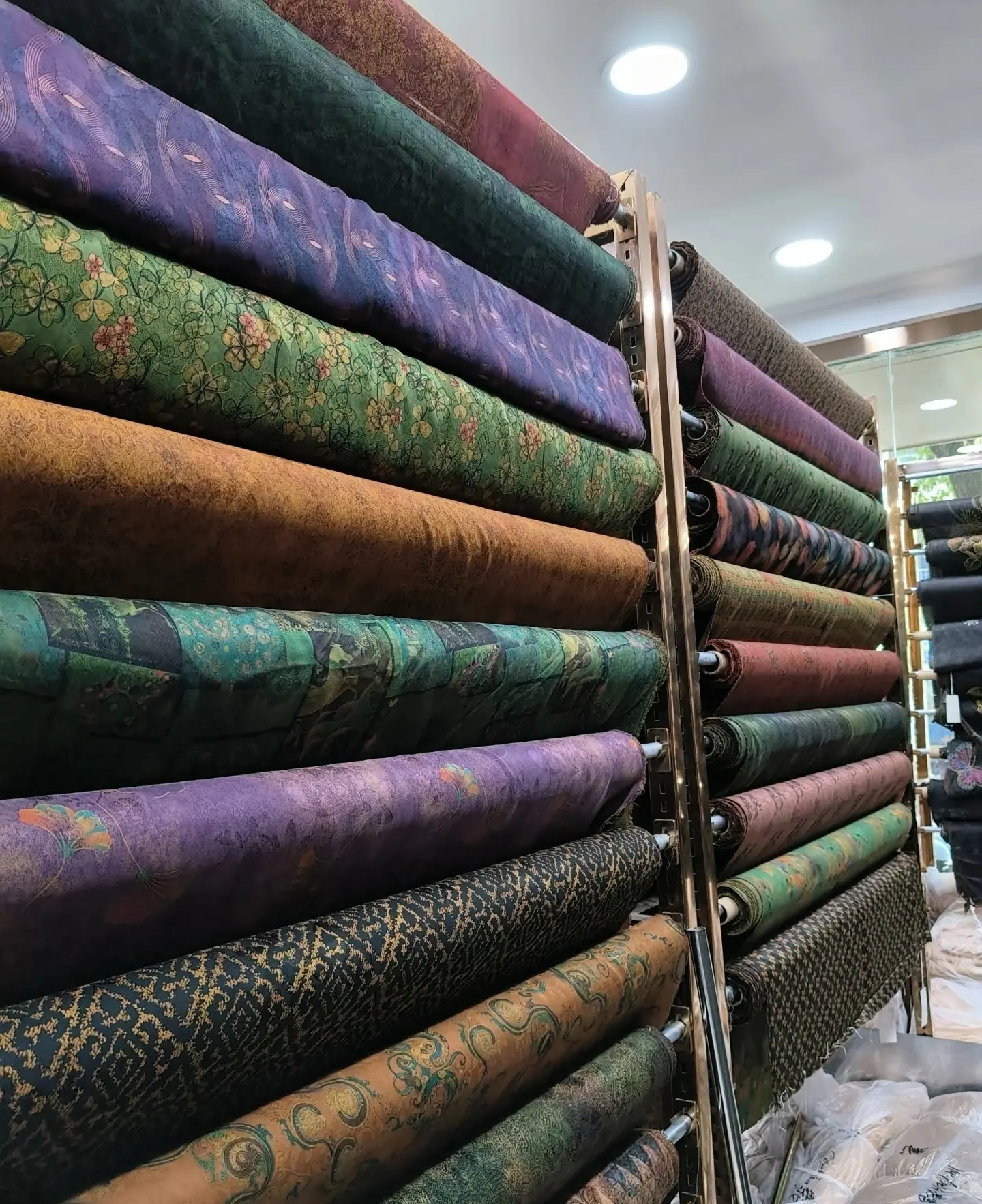
- Pure silk fabrics (charmeuse, crepe de chine, habotai, chiffon, organza)
- Silk blends (silk/cotton, silk/cashmere, silk/wool)
- Mulberry silk and tussah silk varieties
- Traditional Chinese silk brocades and damasks
- Modern technical silk fabrics
- Silk scarves, ties, and accessories
- Silk home textiles (bedding, curtains, pillowcases)
Product Categories by Quality:
- Premium Grade: 19-22 momme silk, tight weave, superior dye fastness
- Standard Grade: 16-19 momme silk, good quality for general use
- Budget Grade: Lower momme count, suitable for linings and decorative use
Manufacturing Advantages:
- Complete silk ecosystem from silkworm farming to finished products
- Advanced dyeing and printing technologies
- Digital printing capabilities for custom designs
- Over 300 years of accumulated expertise
- National Silk Quality Supervision and Inspection Center located here
- Strong R&D in silk fiber innovation
Hangzhou Silk Characteristics:
- Lustrous finish and smooth hand-feel
- Excellent drape and breathability
- Superior color fastness
- Available in widths from 90cm to 280cm
- Minimum order quantities negotiable (often 50-100 meters per color/pattern)
Industry Events:
- China International Silk Expo: Held annually in Hangzhou
- Monthly fashion fabric launches
- Regular designer showcases and trend presentations
Best For: Fashion designers seeking silk, bridal fabric buyers, luxury home textile sourcing, scarf and accessory manufacturers, high-end garment production.
2. Shishi Fabric Industrial Cluster, Fujian
Location: Shishi City, Quanzhou Prefecture, Fujian Province
Overview: Known as “China’s Casual Wear Capital,” Shishi has evolved into one of China’s most important textile trading centers, particularly strong in synthetic fabrics, sportswear materials, and casual wear textiles. The cluster serves as a crucial link between fabric production and China’s massive garment manufacturing industry.
Key Market Complex:
Shishi Fabric Market (石狮布料市场):
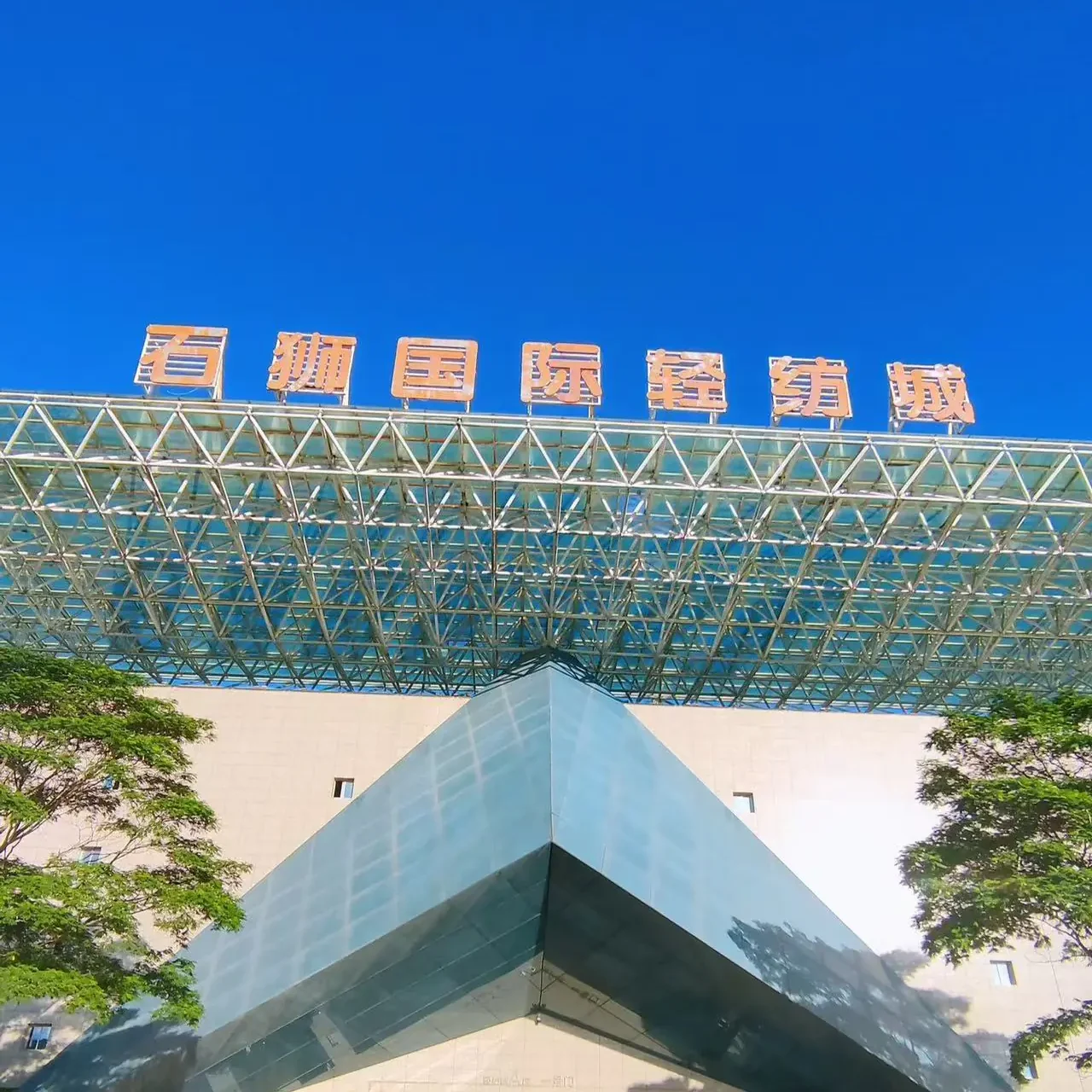
- China’s largest synthetic fabric wholesale market
- 8,000+ fabric merchants and agents
- Connected directly to local textile mills
- Annual trading volume: 80+ billion RMB
- Specializes in ready-stock and quick-delivery fabrics
Industrial Specialties:
Synthetic Fabrics:
- Polyester fabrics (taffeta, pongee, satin, twill)
- Nylon and spandex blends
- Performance fabrics (moisture-wicking, quick-dry, UV-protection)
- Stretch fabrics for activewear
- Technical outdoor fabrics (waterproof, breathable)
- Swimwear and sportswear materials
Casual Wear Fabrics:
- Denim and twill
- Cotton-polyester blends
- Jersey knits
- Fleece and terry cloth
- Functional workwear fabrics
Special Categories:
- Reflective and safety fabrics
- Coated and laminated textiles
- Bonded fabrics
- Digital print-ready substrates
Manufacturing Capabilities:
- Vertical integration: spinning, weaving, dyeing, finishing
- Fast turnaround times (stock fabrics available for immediate delivery)
- Custom dyeing and printing services (MOQ: 300-500 meters)
- Digital printing facilities
- Functional finishing capabilities (waterproof, anti-wrinkle, anti-pilling)
Market Advantages:
- Largest inventory of ready-stock synthetic fabrics in China
- Competitive pricing due to cluster economies
- Quick sampling and prototyping
- Flexible minimum order quantities
- Strong logistics network with nationwide delivery
- Export-oriented business model with experienced traders
Shishi Business Model:
- “Front shop, back factory” structure common
- Many vendors represent multiple mills
- Stock available for immediate purchase
- Custom orders welcome with reasonable MOQs
- Negotiable pricing, especially for volume
Best For: Sportswear and activewear manufacturers, outdoor gear producers, fast fashion brands, swimwear companies, casual wear manufacturers, buyers needing quick turnaround.
3. Guangzhou Textile Manufacturing Hub
Location: Haizhu District, Guangzhou City, Guangdong Province
Overview: Guangzhou’s textile industry benefits from its position in the Pearl River Delta manufacturing ecosystem, offering comprehensive fabric varieties from basic to premium. The cluster serves both domestic and international markets with strong export capabilities.
Key Market Complexes:
Guangzhou Zhongda Fabric Market (中大布匹市场):
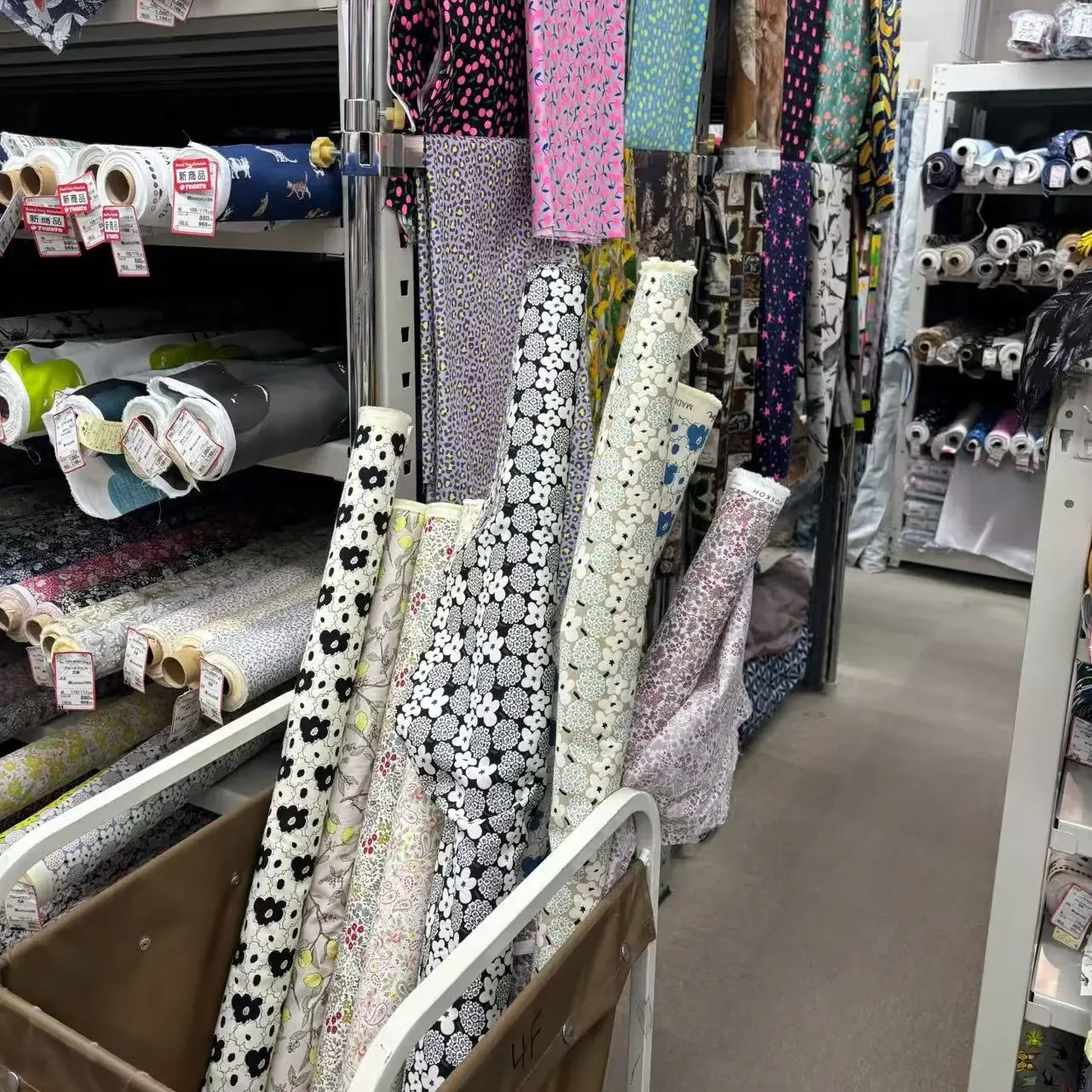
- South China’s largest fabric wholesale center
- 3,000+ shops and stalls
- Strong in fashion fabrics and garment materials
- Annual trading volume: 50+ billion RMB
Guangzhou International Textile City:
- Modern exhibition and trading complex
- Focus on mid-to-high-end fabrics
- International buyer services
Product Categories:
Fashion Fabrics:
- Cotton and linen varieties
- Wool and wool blends
- Lace and embroidery
- Printed and dyed fabrics
- Jacquard and dobby weaves
- Velvet and corduroy
Specialty Materials:
- Sequined and beaded fabrics
- Metallic and lamé textiles
- Tulle and netting
- Faux fur and suede
- Wedding and evening wear fabrics
Home Textiles:
- Upholstery fabrics
- Curtain and drapery materials
- Decorative textiles
- Bedding fabrics
Sourcing Advantages:
- Proximity to Guangzhou’s garment manufacturing district
- Access to Pearl River Delta fabric mills
- Wide variety in one location
- Competitive pricing across quality tiers
- Sample purchasing friendly
- Many vendors speak basic English
- Well-developed export logistics
Market Characteristics:
- Mix of wholesale and smaller quantity sales
- Negotiable pricing (expect to bargain)
- Stock fabrics and custom order options
- MOQs vary by vendor (typically 30-100 meters for stock, 300+ for custom)
- Fast delivery within Guangzhou area
- Export documentation support available
Best For: Fashion designers and brands, garment manufacturers, wedding dress makers, costume designers, home textile buyers, smaller quantity buyers.
4. Keqiao Textile Industrial Cluster, Shaoxing, Zhejiang
Location: Keqiao District, Shaoxing City, Zhejiang Province
Overview: Keqiao is Asia’s largest textile trading center and one of the world’s three major textile centers (alongside Italy’s Como and France’s Lyon). The cluster represents China’s most sophisticated textile industry ecosystem with complete vertical integration.
Key Market Complex:
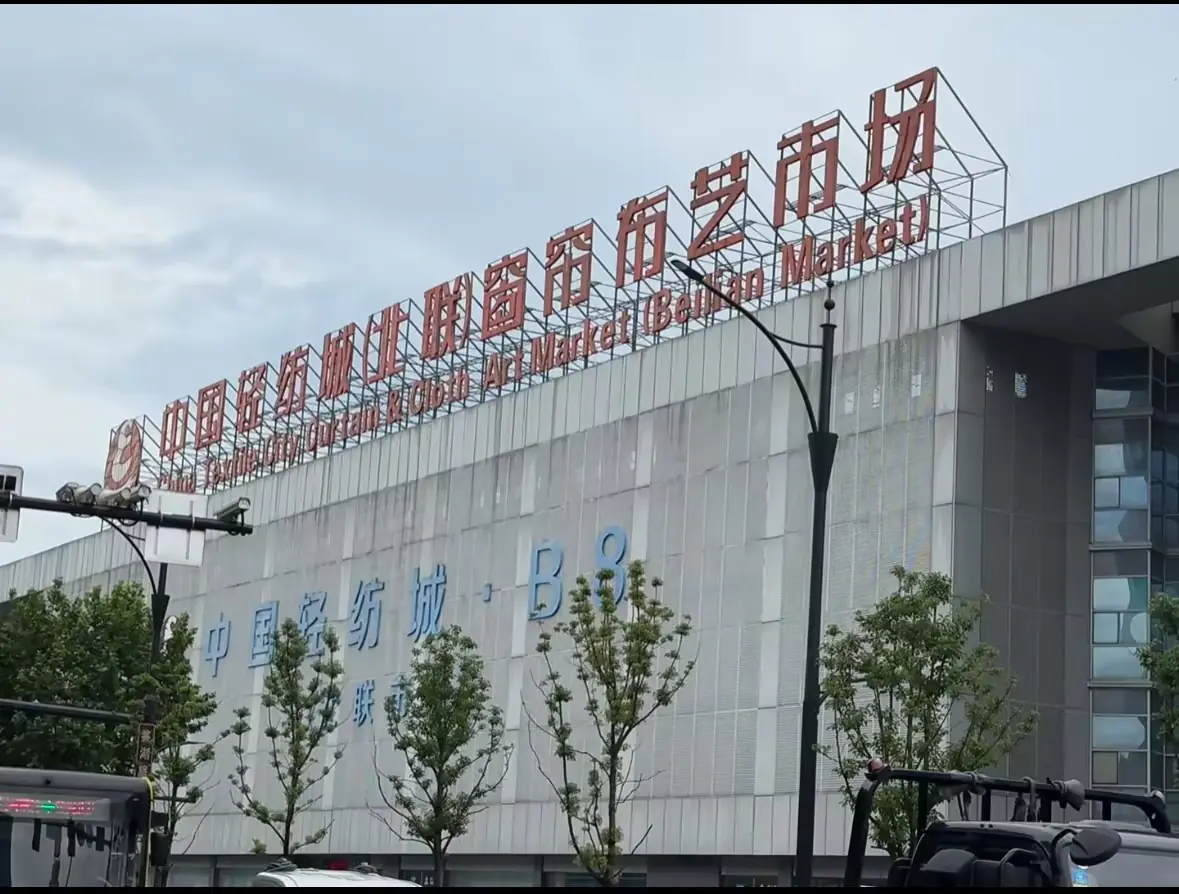
China Textile City (中国轻纺城):
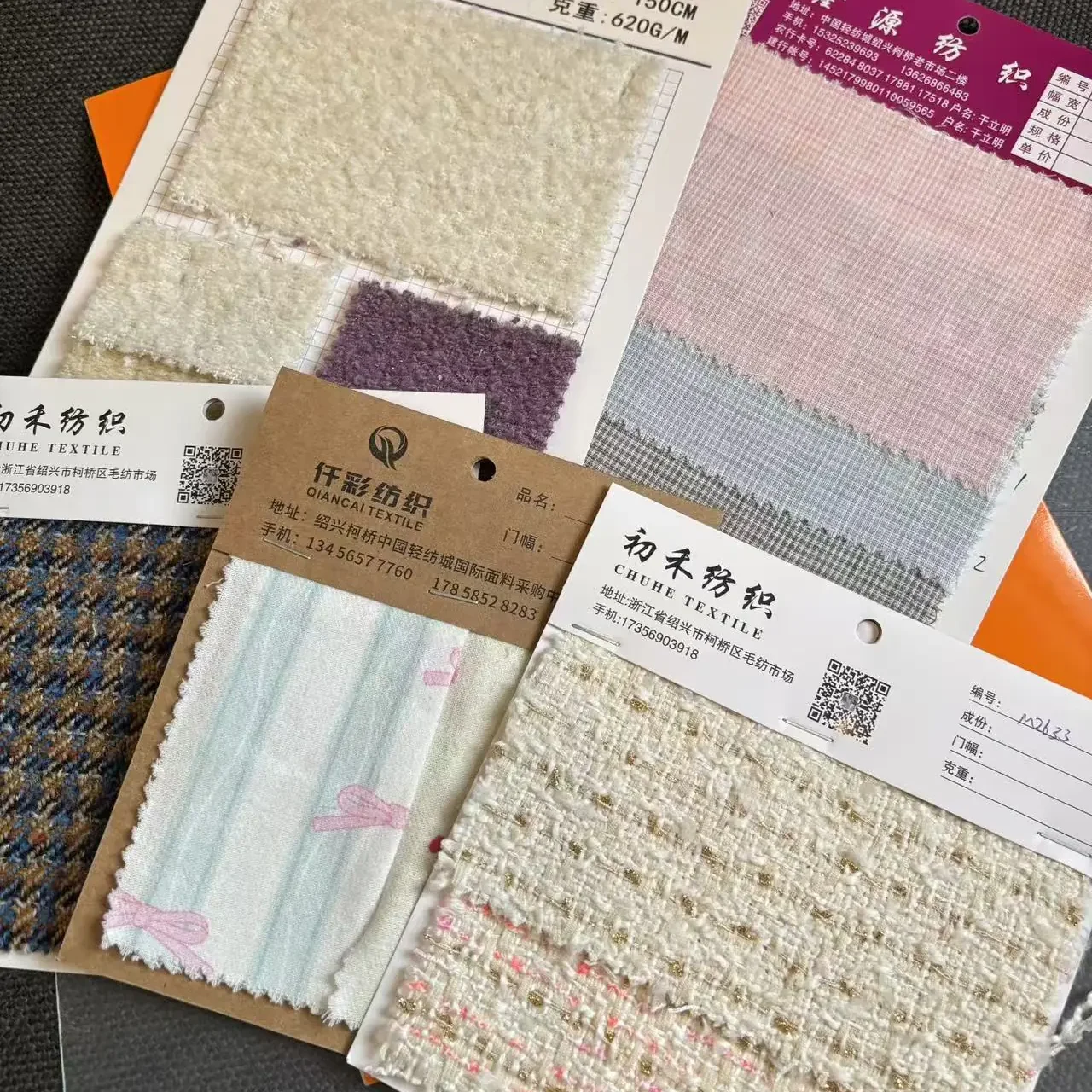
- Asia’s largest textile marketplace
- 30,000+ business operators
- 5 major market zones spanning 3.2 million square meters
- Annual trading volume: 200+ billion RMB
- Listed company (China Textile City Group)
Market Zones:
Zone A: Fashion fabrics, chemical fiber fabrics, home textiles Zone B: Cotton fabrics, wool fabrics, blended fabrics Zone C: Silk fabrics, linen fabrics, specialty textiles Zone D: Dyeing and finishing services, functional fabrics International Zone: High-end fabrics, import/export services
Industrial Specialties:
Complete Fabric Range:
- Cotton wovens (plain weave, twill, sateen, canvas)
- Polyester and polyester blends
- Rayon and viscose fabrics
- Wool and worsted fabrics
- Linen and linen blends
- Technical and functional textiles
- Home furnishing fabrics
- Industrial textiles
Advanced Capabilities:
- Digital printing and design
- Eco-friendly dyeing and finishing
- Functional treatments (waterproof, flame-retardant, antibacterial)
- Quick response manufacturing
- Custom development services
Manufacturing Ecosystem:
- 10,000+ textile enterprises in surrounding areas
- Complete supply chain from fiber to finished fabric
- 200+ dyeing and printing mills
- Advanced testing and R&D facilities
- Specialized logistics and warehousing
- Financial services for textile trade
Quality Standards:
- National Textile Product Quality Supervision Center
- International certification support (OEKO-TEX, GOTS, etc.)
- Advanced testing laboratories
- Quality traceability systems
Sourcing Advantages:
- Largest variety and volume in China
- Competitive pricing due to cluster scale
- Access to latest fabric innovations
- Flexible MOQs depending on product type
- Strong design and customization support
- Efficient logistics with direct shipping services
- Professional sourcing assistance available
Business Services:
- Professional fabric sourcing agents
- Design and development support
- Quality inspection services
- Export documentation assistance
- Logistics and shipping coordination
- English-speaking business support
Best For: Large-scale buyers, fashion brands, home textile companies, buyers needing comprehensive variety, custom fabric development, professional textile traders.
5. Xiqiao Textile Industrial Cluster, Foshan, Guangdong
Location: Xiqiao Town, Nanhai District, Foshan City, Guangdong Province
Overview: Known as “China’s Textile Town,” Xiqiao specializes in high-quality knitted fabrics and home textiles, with particular strength in innovative and functional textiles. The cluster combines traditional craftsmanship with modern technology.
Key Market Complex:
Xiqiao Textile Market (西樵纺织市场):
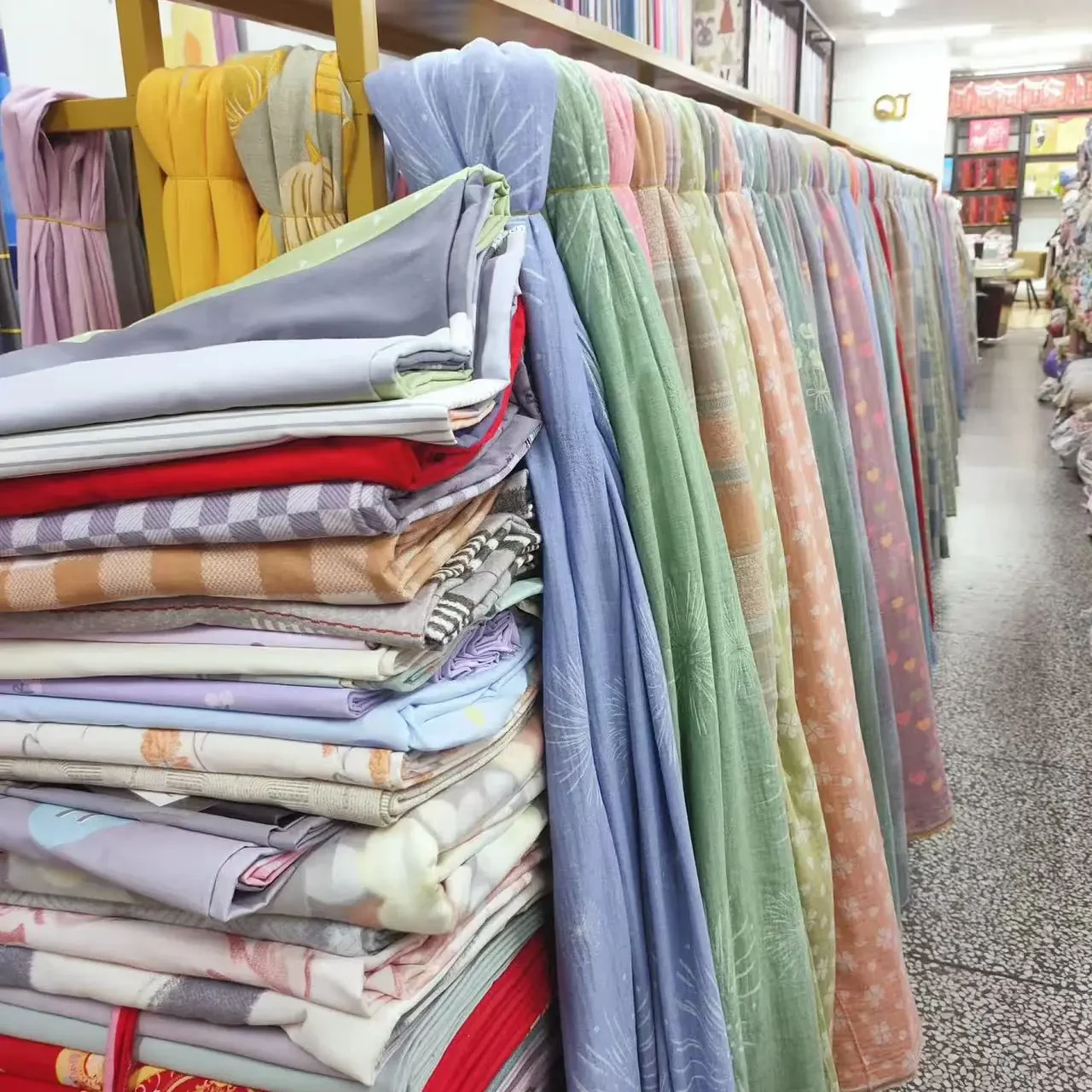
- Focus on knitted fabrics and home textiles
- 5,000+ businesses
- Strong in innovative and technical fabrics
- Annual output: 10+ billion meters
Product Specialties:
Knitted Fabrics:
- Jersey knits (single jersey, double jersey, interlock)
- Rib knits
- French terry and fleece
- Ponte and scuba knits
- Mesh and spacer fabrics
- Performance knits (moisture-wicking, compression)
Innovative Textiles:
- Eco-friendly fabrics (bamboo, modal, lyocell)
- Smart textiles with special functions
- Jacquard knits
- Seamless fabric technology
- 3D spacer fabrics
Home Textiles:
- Curtain fabrics (sheer, blackout, decorative)
- Upholstery materials
- Bedding textiles
- Toweling fabrics
- Table linens
Manufacturing Strengths:
- Advanced circular knitting technology
- Warp knitting capabilities
- Innovative dyeing and finishing
- Functional treatment expertise
- Design and R&D centers
- Sustainable production practices
Industry Characteristics:
- Strong focus on innovation and technology
- Increasing emphasis on eco-friendly production
- Active in international fabric exhibitions
- Collaboration with international brands
- Investment in automation and smart manufacturing
Best For: Activewear brands, intimate apparel manufacturers, home textile buyers, buyers seeking innovative fabrics, sustainable textile sourcing.
6. Haining Home Textile Industrial Cluster, Zhejiang
Location: Haining City, Jiaxing Prefecture, Zhejiang Province
Overview: Haining is China’s premier home textile production base, particularly famous for warp knitting technology. The city has evolved from traditional textile manufacturing to become a global leader in curtain fabrics and home décor textiles.
Key Market Complex:
Haining Home Textile Market (海宁家纺市场):
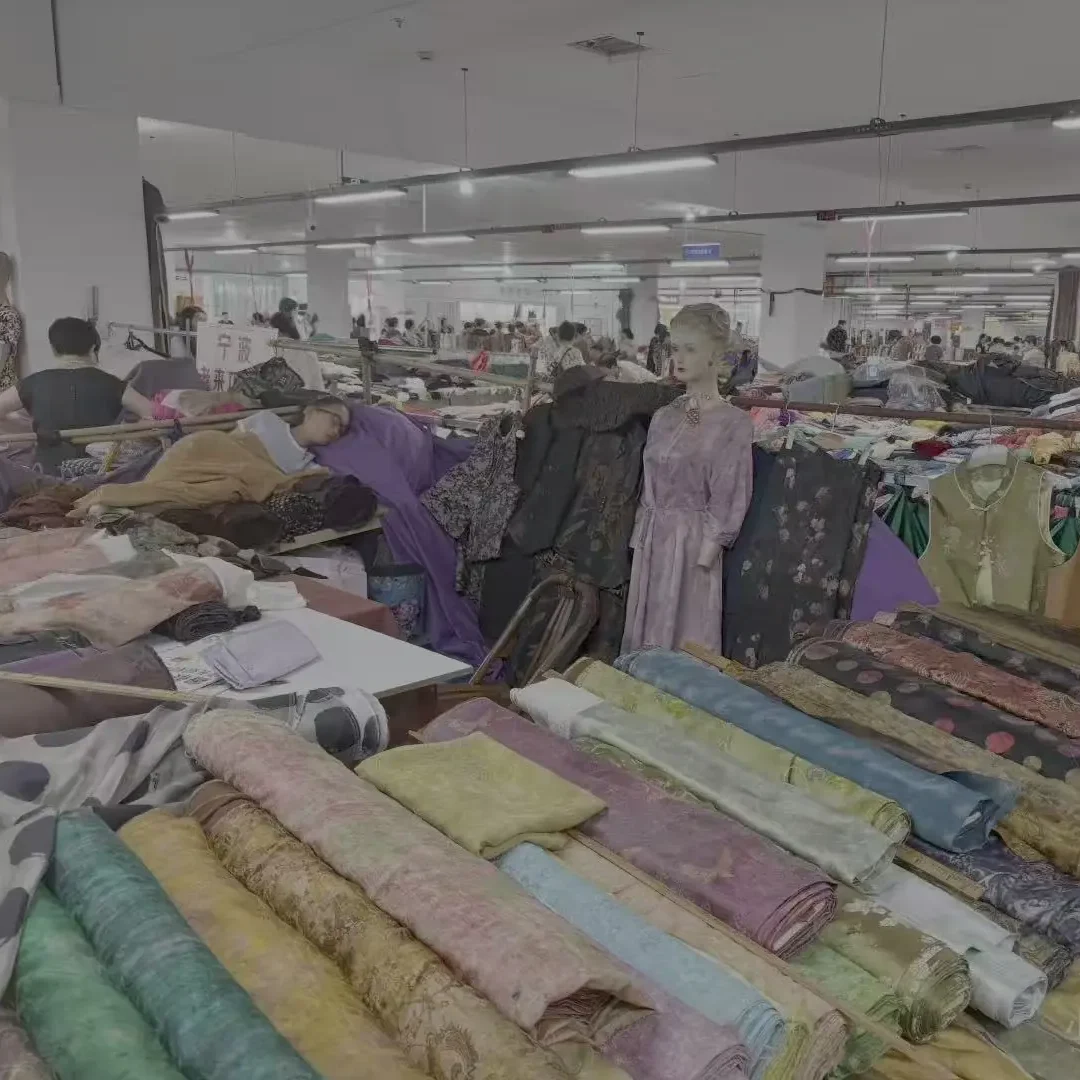
- China’s largest curtain fabric market
- 3,000+ specialized merchants
- Focus on home décor textiles
- Annual trading volume: 40+ billion RMB
Product Specialties:
Curtain Fabrics:
- Jacquard curtains (European, American, new Chinese styles)
- Blackout curtains
- Sheer and voile fabrics
- Linen-look curtain materials
- Velvet curtains
- Smart curtain fabrics (motorized compatible)
Home Textile Materials:
- Sofa and upholstery fabrics
- Cushion and pillow textiles
- Table linens and runners
- Bedding fabrics
- Decorative throws
Technical Capabilities:
- Advanced warp knitting (tricot, raschel)
- Multi-bar jacquard technology
- Digital printing on home textiles
- Flame-retardant finishing
- Waterproof and stain-resistant treatments
Manufacturing Excellence:
- Over 800 warp knitting machines
- Complete vertical integration
- Strong design capabilities with European influence
- Quick sampling (3-7 days)
- Flexible production (MOQ: 100-300 meters for custom designs)
Industry Innovation:
- Smart home textile integration
- Eco-friendly materials development
- Collaboration with international designers
- Trend forecasting and design centers
- Regular new product launches
Best For: Home décor retailers, interior designers, curtain manufacturers, furniture manufacturers, hotel and hospitality buyers, home textile brands.
7. Dongguan Humen Textile Hub, Guangdong
Location: Humen Town, Dongguan City, Guangdong Province
Overview: Leveraging Dongguan’s position as a global manufacturing center, Humen specializes in fashion fabrics and garment materials, serving the city’s massive apparel industry and international buyers.
Key Market Complex:
Humen Fumin Fabric Market (虎门富民布料市场):
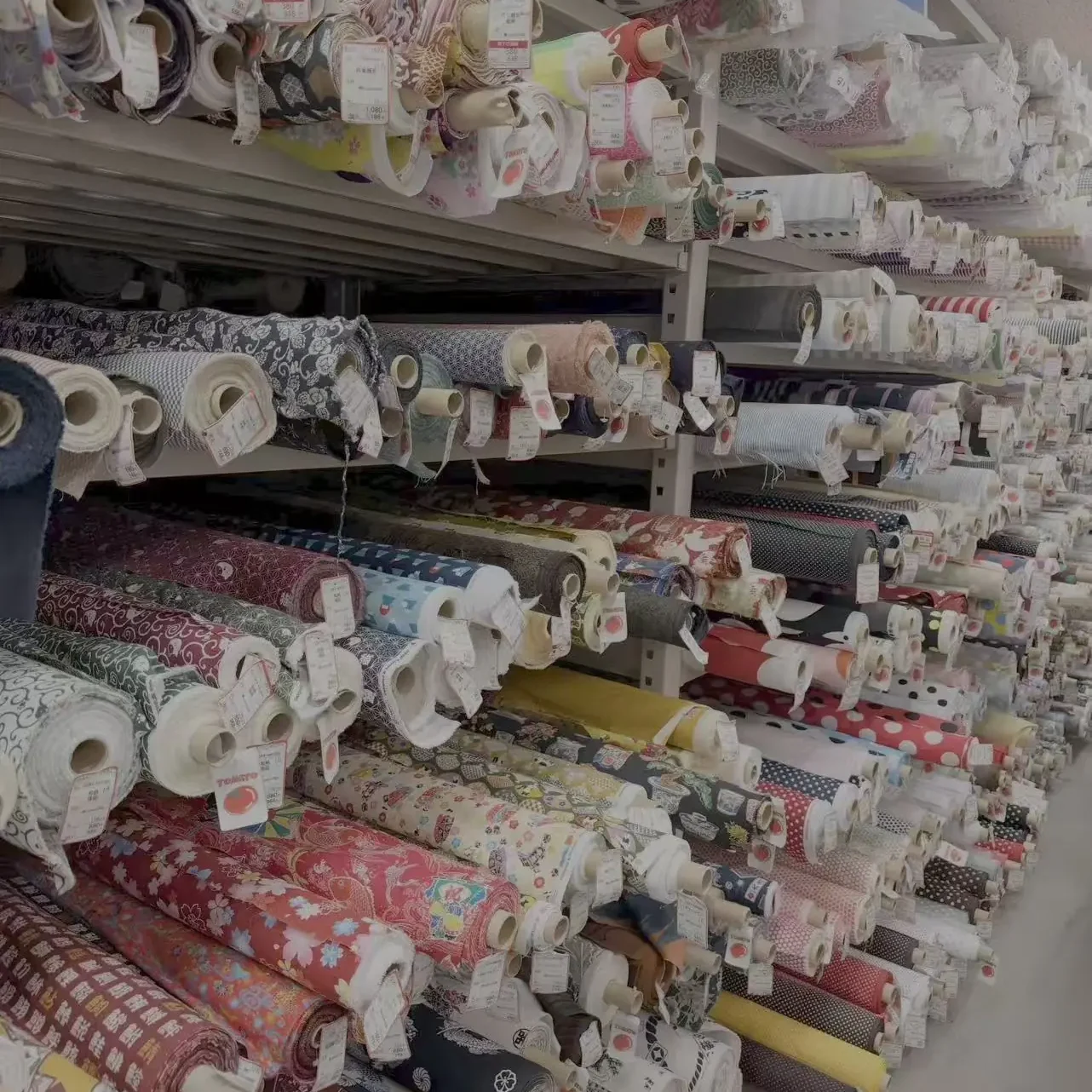
- Premium fashion fabrics and materials
- 2,000+ specialized vendors
- Strong in garment-grade textiles
- Connected to Humen’s garment industry
Product Focus:
Fashion Fabrics:
- High-quality cotton and cotton blends
- Wool and worsted fabrics
- Linen and ramie textiles
- Silk and silk blends
- High-end synthetics
Garment Materials:
- Suit fabrics
- Shirt materials
- Dress fabrics
- Outerwear textiles
- Lining materials
Specialized Products:
- Imported fabrics (Italy, Japan, Korea)
- Designer fabrics
- Luxury textile materials
- Branded fabric collections
Market Characteristics:
- Higher price point than other markets
- Premium quality focus
- Strong in imported and designer fabrics
- Good for small to medium quantities
- Many vendors have design background
- Close proximity to sample-making facilities
Best For: Fashion designers, premium garment manufacturers, boutique brands, buyers seeking high-end materials, import fabric sourcing.
8. Wujiang Silk Textile Cluster, Suzhou, Jiangsu
Location: Wujiang District, Suzhou City, Jiangsu Province
Overview: Part of the historic Suzhou silk region, Wujiang has modernized into a comprehensive textile production base while maintaining traditional silk craftsmanship. The cluster is particularly strong in silk fabrics and synthetic alternatives.
Key Market:
Shengze Oriental Silk Market (盛泽东方丝绸市场):
- Traditional silk and modern synthetics
- 5,000+ businesses
- Strong in silk-like fabrics
- Export-oriented operations
Product Range:
Silk Products:
- Traditional Suzhou silk
- Modern silk blends
- Silk prints and dyes
- Silk for fashion and home use
Synthetic Alternatives:
- Polyester satin (silk-like)
- Imitation silk fabrics
- Chiffon and georgette
- Stretch satin
Technical Textiles:
- Waterproof and breathable fabrics
- Coated textiles
- Laminated materials
Manufacturing Base:
- Both traditional and modern production
- Complete dyeing and finishing facilities
- Export-certified factories
- Flexible production capabilities
Best For: Fashion fabric buyers, home textile sourcing, buyers seeking silk alternatives, export-oriented purchasing.
9. Tongxiang Puyuan Sweater and Knitting Industrial Cluster, Zhejiang
Location: Puyuan Town, Tongxiang City, Jiaxing Prefecture, Zhejiang Province
Overview: While primarily known as China’s largest sweater production base (producing 70% of China’s sweaters), Puyuan is an important source for knitted fabrics, yarns, and knitting materials.
Key Market:
Puyuan Wool Sweater Market (濮院毛衫市场):
- China’s largest sweater and knitwear market
- Strong in knitting yarns and materials
- Access to finished knitwear production
Product Specialties:
Knitting Materials:
- Wool and wool blend yarns
- Cashmere and cashmere blends
- Cotton yarns
- Acrylic and synthetic yarns
- Specialty yarns (metallic, sequined, bouclé)
Knitted Fabrics:
- Sweater knits
- Ribbing materials
- Collar and cuff fabrics
- Knitted trims
Services:
- Custom knitting services
- Sample development
- Small batch production
- Yarn dyeing services
Best For: Knitwear manufacturers, yarn buyers, sweater brands, buyers needing knitting services, custom knitwear development.
10. Chengdu Textile Industrial Belt
Location: Various districts, Chengdu City, Sichuan Province
Overview: Serving Southwest China’s vast market, Chengdu’s textile industry acts as a regional distribution hub while also maintaining some local production, particularly in ethnic textiles and regional specialties.
Key Market:
Chengdu Lotus Pond Wholesale Market – Textile Section:
- Part of comprehensive commodity market
- Regional distribution for Southwest China
- Basic to mid-range fabrics
- Serves Yunnan, Guizhou, Tibet markets
Product Focus:
- General purpose cotton fabrics
- Basic synthetics
- Regional ethnic textiles
- Tibetan and minority fabric specialties
- Home textile materials
- Workwear and uniform fabrics
Market Characteristics:
- Competitive pricing
- Serves remote markets
- Mix of local production and coastal fabrics
- Understanding of regional preferences
- Flexible on quantities
Best For: Southwest China regional distribution, ethnic textile sourcing, budget fabric buyers, buyers serving remote markets.
Comparative Analysis: Choosing Your Sourcing Destination
| Production Hub | Primary Specialties | Quality Tier | Best Suited For |
|---|---|---|---|
| Hangzhou | Silk fabrics, premium textiles | High | Luxury fashion, silk products, high-end home textiles |
| Shishi, Fujian | Synthetic fabrics, sportswear materials | Mid-range | Activewear, outdoor gear, casual wear, swimwear |
| Keqiao, Shaoxing | Comprehensive all fabric types | All tiers | Large buyers, variety sourcing, custom development |
| Guangzhou Zhongda | Fashion fabrics, garment materials | Mid-to-high | Fashion designers, garment makers, variety buyers |
| Xiqiao, Foshan | Knitted fabrics, innovative textiles | Mid-to-high | Activewear, intimate apparel, innovative products |
| Haining | Home textiles, curtain fabrics | Mid-to-high | Home décor, curtains, upholstery, hospitality |
| Humen, Dongguan | Premium fashion fabrics | High | Premium fashion, designer materials, imports |
| Wujiang, Suzhou | Silk and silk-alternatives | Mid-to-high | Silk products, synthetic alternatives |
| Puyuan, Tongxiang | Knitting yarns and materials | Mid-range | Knitwear, sweaters, yarn buyers |
| Chengdu | Regional distribution, ethnic textiles | Budget-to-mid | Southwest distribution, ethnic specialties |
Understanding Textile Quality and Pricing
Quality Factors in Fabric Evaluation:
1. Fiber Quality:
- Cotton: Staple length, thread count, combed vs. carded
- Silk: Momme weight (12-30mm), grade (6A, 5A, 4A, etc.)
- Wool: Micron count, grade (merino, lambswool, etc.)
- Synthetics: Denier, manufacturing process
2. Construction:
- Thread count and density
- Weave or knit structure
- Weight (GSM – grams per square meter)
- Width and stability
3. Finishing:
- Dyeing quality and colorfastness
- Print clarity and definition
- Surface treatments
- Hand-feel and drape
Price Ranges (Approximate, per meter):
Budget Tier (¥5-20 RMB/$0.70-$2.80):
- Basic polyester and cotton-poly blends
- Simple prints and solid colors
- Standard construction
- Suitable for mass-market products
Mid-Range (¥20-80 RMB/$2.80-$11):
- Quality cotton, good synthetics, basic wool
- Better dyeing and printing
- More sophisticated constructions
- Suitable for mainstream brands
Premium Tier (¥80-300+ RMB/$11-$42+):
- High-quality natural fibers, Italian imports
- Advanced printing and treatments
- Superior construction and finishing
- Luxury brand quality
Luxury Tier (¥300-1000+ RMB/$42-$140+):
- Top-grade silk, cashmere, fine wool
- Designer fabrics and exclusive prints
- Exceptional quality and finish
- High-end fashion and luxury goods
Practical Sourcing Tips
Understanding MOQs and Pricing:
Stock Fabrics:
- Ready-made inventory available for immediate purchase
- Minimum quantities typically 30-100 meters
- Best for testing markets or small projects
- Limited color and pattern options
Custom Orders:
- Custom dyeing: Usually 300-500 meters per color
- Custom printing: Typically 500-1000 meters per design
- Special finishes: Varies by treatment type
- Prices decrease with volume commitments
Visiting Markets:
Preparation:
- Research specific fabric types you need
- Bring swatches or photos of desired materials
- Allow 2-3 days for comprehensive market visits
- Prepare business cards if sourcing for business
At the Market:
- Compare prices from multiple vendors
- Request fabric samples and business cards
- Check fabric weight (GSM) and width specifications
- Ask about lead times and production capabilities
- Negotiate pricing, especially for larger quantities
Conclusion
China’s textile and fabric industry offers exceptional variety and competitive pricing across all fabric categories. From luxurious Hangzhou silk to performance fabrics from Shishi, and from comprehensive sourcing at Keqiao to specialized home textiles in Haining, each production cluster has developed unique expertise serving global buyers.
Key Takeaways:
- Hangzhou for premium silk and silk products
- Shishi for synthetic fabrics and sportswear materials
- Keqiao for comprehensive fabric variety and large-scale sourcing
- Haining for home textiles and curtain fabrics
- Xiqiao for innovative knitted fabrics
- Guangzhou for fashion fabrics and convenient access
Whether you’re sourcing for fashion, home textiles, or technical applications, understanding these production hubs helps you find the right suppliers at competitive prices.
We specialize in China sourcing and procurement services. If you need assistance with fabric sourcing or have any questions, feel free to contact us.
This guide is based on 2025 market information. We recommend confirming current market details before planning your visit.

Kelsey Sun is a China procurement expert with over 8 years of experience in cross-border sourcing and supply chain management. As a Senior Sourcing Specialist at iHomeChina, she has successfully connected hundreds of international businesses with vetted Chinese manufacturers. Kelsey specializes in supplier verification, quality control, and multi-factory consolidation strategies, with deep expertise in both major B2B platforms like Alibaba and China’s network of high-quality manufacturers who lack international visibility.