







Sourcing glass bottles supply is more than just finding the lowest price. For many businesses in the beverage, cosmetics, or home goods industries, the quality of the bottle directly impacts product safety, customer experience, and brand image. A poor choice of supplier can lead to broken shipments, inconsistent quality, or delays that affect your entire supply chain.
This guide is written for importers, wholesalers, and private label brands looking to build a stable, long-term relationship with a trusted glass bottles supplier. We’ll cover how to evaluate quality, control costs, ensure safe delivery, and avoid common sourcing mistakes—so you can make informed decisions when choosing a glass bottle manufacturer in 2026.
1.What to Look for in a Reliable Glass Bottles Supply Partner
1.1 Experience in manufacturing or exporting glass bottles
When choosing a supplier, experience matters. A manufacturer with over five years of experience is more likely to offer stable quality and handle large orders. Look for a glass bottles supplier that already serves international clients. Exporting experience is important, especially for handling documents and customs clearance.
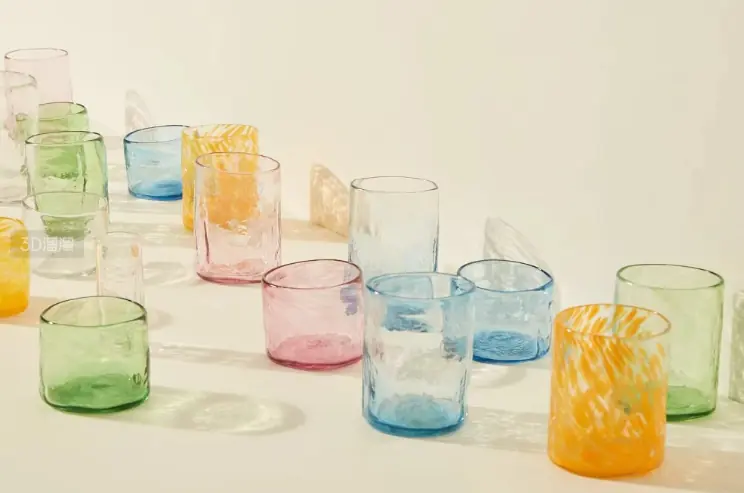
You can ask the supplier to share examples of previous orders or export records. This will help you understand if they can manage bulk glass bottles orders efficiently. A reliable supplier often has systems in place for order tracking, inspections, and logistics coordination.
1.2 Types of certifications and compliance documents
Certifications are essential for quality and safety. Ask your glass bottle manufacturer if they can provide documents like ISO 9001, FDA compliance, or LFGB reports. For food or beverage use, certifications such as SGS or EU food-contact testing are especially important.
In addition, ensure the supplier can issue CO (Certificate of Origin), MSDS, and other shipping documents. A professional glass bottles supply partner should know what is needed in your country. This saves you time and avoids clearance problems.
1.3 Communication, service, and after-sale services
Clear communication reduces mistakes. Choose a glass bottle supplier who responds quickly and understands your needs. Ideally, they should assign one account manager to follow up with your order.
After-sale support also matters. A good supplier will take responsibility if there are breakage issues, wrong items, or delays. Ask how they handle complaints or returns. Long-term partnerships are built on trust and service, not just pricing.
2. How to Evaluate the Quality of Glass Bottles Supply
2.1 Key quality indicators in glass bottle production
Not all glass bottles are created equal. Quality can vary based on raw material, mold quality, and temperature control during manufacturing. When you visit a factory or review samples, check for clarity, even thickness, and weight consistency.
Also, check for imperfections like bubbles, sharp edges, or loose caps. A top glass bottle supplier will meet tight quality control standards and should allow third-party inspections. You can also ask for details about their quality control process, including how they inspect finished goods.
2.2 Check in samples before bulk order
Always ask for samples before placing a large order. Examine the samples for material, design accuracy, and printing quality. Test them under conditions like heat, pressure, and water filling to see how the bottles perform.
Pay attention to cap sealing, thread matching, and bottle stability. Bulk glass bottles must meet the same standard as your sample. If your product includes food or beverages, you should also test compatibility with your contents.
2.3 Request and interpret quality test reports
Ask the supplier for recent test reports. These may include material composition, pressure resistance, or leakage tests. If you don’t understand the report, request an explanation.
Reports issued by third-party labs like SGS or Intertek carry more weight. They help confirm that the glass bottles supply meets industry standards. Keep a copy of the reports as part of your internal quality records.
3. Cost Control Strategies When Buying Glass Bottles in Bulk
3.1 Hidden costs to watch out for in quotes
Glass bottles may seem cheap at first, but hidden costs can add up. Watch for high mold fees, logo printing charges, or non-standard packaging fees. Also, clarify who pays for shipping, insurance, and duties.
Ask for a detailed quote with all costs broken down. A transparent supplier will include product unit cost, packaging, customization, and freight. This helps avoid last-minute surprises and makes it easier to compare suppliers.

3.2 Tips to get better pricing
Ordering larger quantities usually leads to lower unit costs. But if you cannot meet a high MOQ, try combining multiple SKUs or working with other buyers. This may help you reach better pricing tiers.
Also, simplify customization. Fewer printing colors or using standard caps can reduce costs. Ask your glass bottle manufacturer if they offer volume discounts or long-term pricing contracts. Building a good relationship can also earn you better deals over time.
4. Ensuring Safe and Damage-Free Delivery of Glass Bottles
4.1 What packaging should your supplier use?
Glass bottles are fragile by nature, and poor packaging is one of the top causes of damage during shipping. A professional glass bottles supplier should use industry-grade protective packaging to prevent breakage and loss.
Look for suppliers who use thick corrugated cartons with inner dividers or foam trays. Each bottle should be individually wrapped or separated to avoid friction during transport. For heavy or large bottles, foam corners or molded trays are also recommended. Strong outer cartons, reinforced tape, and clear labeling (such as “Fragile” or “Handle with Care”) are essential for international shipments.
Before confirming your order, request pictures or videos of the packaging process. Packaging is just as important as the product itself when it comes to delivering glass bottles safely.
4.2 Common shipping methods for fragile glass items
When ordering glass bottles in bulk, choosing the right shipping method is crucial. Sea freight is the most cost-effective choice for large volumes. However, it requires solid export packaging, since ocean transit involves stacking, vibrations, and moisture risks.
For smaller orders or urgent shipments, air freight or express delivery is faster but more expensive. These methods are suitable for sending samples, trial orders, or time-sensitive restocks.
Some suppliers offer palletization or container loading optimization services to help reduce damage during transit. You should also confirm if the supplier has experience with your destination country’s logistics and customs procedures. The safest way to ship fragile glass bottles is always with proper packaging, correct labeling, and a proven logistics plan.
4.3 How to handle breakage or loss claims in transit
Even with excellent packaging, damage may still occur, especially during long-distance or multi-stop shipping. That’s why it’s important to clarify the damage claim policy with your glass bottle supplier before shipment. Ask what kind of compensation they offer in case of breakage. Some suppliers may provide a certain percentage of free replacement bottles in future orders. Others may offer refunds for verified damage. Make sure the agreement is written into your order terms or invoice.
To file a claim, take clear photos of the damaged bottles and packaging as soon as you receive the goods. Keep the packaging intact for evidence. Also confirm whether insurance is included in your shipping cost. If you’re using your own freight forwarder, check their coverage policy too.
Working with a responsible glass bottles supply partner will make handling such cases much easier. They should assist you quickly and provide solutions, not excuses.
5. Red Flags to Avoid in Glass Bottles Supply
5.1 Vague quotes and unclear terms
If a quote is too simple or lacks detail, it may hide extra costs. Always ask for full product specs, unit prices, MOQ, packaging, and delivery time.
Also, check the payment terms and refund policy. A serious glass bottle supplier will offer clear terms and be open to questions. Vague answers or pressure to pay quickly can be red flags.
5.2 No sample policy or quality guarantee
A supplier who refuses to send samples or won’t confirm quality standards is risky. Always test samples before bulk orders. Request that the final production match the approved sample.
You should also check if they allow third-party inspections. If they avoid it, that’s a warning sign. A trustworthy glass bottles supply partner will support transparency.
5.3 Poor response time or lack of export experience
If a supplier takes days to reply or avoids detailed questions, it may lead to problems later. Communication should be fast and professional.
Also, lack of export experience can result in customs issues or shipping delays. Choose a supplier with proven export records. Ask for customer references or past shipping documents.

6. How to Build a Long-Term Relationship
6.1 Start with trial orders and scale gradually
Before committing to large orders, begin with small or trial orders. This lets you test the supplier’s product quality, delivery time, and service.
Use this stage to build trust. If results are good, gradually increase your order volume. A step-by-step approach helps reduce risk and builds confidence on both sides.
6.2 Share Forecasts and Product Plans Early
Suppliers perform better when they can plan ahead. Share your product roadmap, seasonal demand, or projected sales. This allows the glass bottle manufacturer to prepare raw materials and schedule production more efficiently.
Early sharing also helps avoid delays, especially during peak seasons. A supplier who knows your needs in advance is more likely to prioritize your orders.
6.3 Align on Quality Standards and Communication Process
Set clear quality expectations from the beginning. Define acceptable defect rates, testing methods, and packaging standards. Document everything in purchase orders or contracts.
Also, agree on how updates will be shared. Weekly updates, shipment notices, or problem alerts should be part of your routine. Consistent communication reduces errors and strengthens collaboration.
Conclusion
Finding the right glass bottles supply solution is not just about pricing—it’s about reliability, consistency, and long-term value. From evaluating supplier experience to checking quality standards, managing costs, and ensuring safe delivery, every step plays a role in your business success.
At ihome, we specialize in supplying high-quality, customizable glass bottles at competitive wholesale prices. Whether you’re launching a new product or scaling your current line, our team is ready to support your sourcing needs with professional service, clear communication, and global export expertise.
Ready to work with a trusted glass bottle supplier? Contact ihome today to start your next sourcing project with confidence.

Berry Bian is the blog editor at iHome, focusing on global sourcing, wholesale trends, and practical tips for international buyers. With experience in digital marketing and cross-border trade, Berry shares insights that help small and medium businesses source products more efficiently and avoid common pitfalls. Passionate about connecting buyers with reliable suppliers, Berry writes with a clear and friendly style to make complex topics easier to understand.