








If you have ever wondered why professional makeup artists carry so many brushes, the answer often comes down to size. Brushes of different sizes each serve a different purpose. Once you understand how to use them, you can build a brush set that works for both everyday looks and more glamorous styles. This guide will explain makeup brush sizes in detail and help you choose the right one for every step of your routine.
1.Understanding Makeup Brush Sizes
Makeup brushes come in a wide range of sizes, from very small tips that measure less than 5 mm to extra-large powder brushes that can be over 40 mm wide. These measurements usually refer to the width of the bristle head. Smaller brushes are designed for detail and precision, while larger ones are meant for quick coverage and blending. Medium brushes sit in between and give balance.
Two brushes may look similar but perform very differently if makeup brush sizes are not the same. A 12 mm eyeshadow brush will lay down color over the lid quickly, while a 6 mm brush allows you to add shadow precisely into the crease or along the lash line. With face brushes, a 20 mm brush gives controlled blush application, while a 35 mm brush spreads powder across the face in seconds.
1.1 How Makeup Brush Size Affects Application Results
- Large brushes (25–40 mm): Softer, diffused finish, better for powders and bronzers.
- Medium brushes (15–25 mm): Balanced coverage, good for blush, contour, and foundation.
- Small brushes (5–15 mm): High precision, good for eyes, lips, and concealer.
Choosing the wrong size can result in patchy blending, harsh lines, or too much product in one spot. Size is just as important as bristle shape when it comes to achieving smooth results.
2.How to distinguish different makeup brushes sizes?
| Brush Size (mm) | Common Use | Coverage/Effect |
| 5–8 mm | Eyeliner, brows, lip color | Very precise, sharp |
| 8–12 mm | Eyeshadow detail, concealer | Targeted coverage |
| 12–15 mm | Eyeshadow blending, contour nose | Controlled blending |
| 15–20 mm | Blush, cream contour | Moderate control |
| 20–25 mm | Foundation, bronzer (small areas) | Even, smooth finish |
| 25–35 mm | Powder, all-over bronzer | Quick, soft coverage |
| 35–40+ mm | Finishing powder, body shimmer | Broad, diffused finish |

Large Powder Brush:
The largest and fluffiest one! It has dense, soft bristles, shaped like a large mushroom or fan.
Dip this brush in loose powder or pressed powder. After applying liquid foundation/cushion powder, gently pat or roll it all over your face to set your makeup (prevent fading, control oil), and leave your face feeling smooth.
Blush Brush:
Medium-sized, usually slightly smaller than a powder brush, with fluffier bristles (mostly rounded or angled).
Dip this brush in powdered blush and apply it to the areas where your cheeks are most prominent when you smile (the apples of your cheeks). An angled brush can also be used to sweep the sides of your face for contouring.
Highlighting Brush:
Smaller, available in a variety of shapes (fan, flame, and small round).
Dip in highlighting powder and sweep precisely where you need to brighten: the bridge of the nose, the highest point of the cheekbones, the brow bone, the tip of the chin, and the cupid’s bow.
Foundation Brush:
The bristles are denser, more flexible, and less fluffy. Commonly found in flat, flat, or rounded shapes.
Use this brush to smooth and even out liquid or cream foundation. Using it with your hands or a sponge saves more foundation and may provide better coverage.
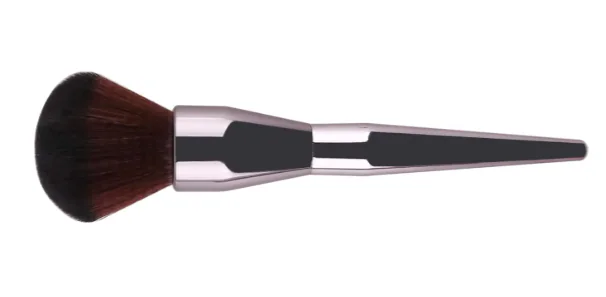
Angled Contouring Brush:
Mostly angled, with a moderate amount of bristles.
Dip in contouring powder and sweep along the sides of the face (jawline, under cheekbones), and along the hairline to create a smaller, more defined look.
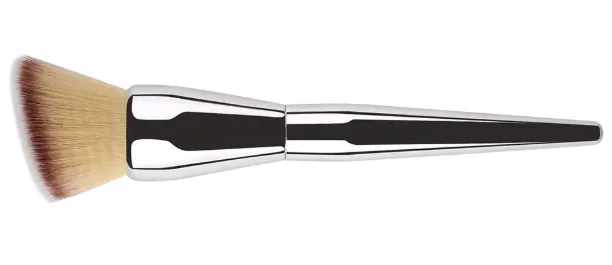
Concealer Brush:
Small, with a thin tip (flat tongue or tapered).
Precisely apply concealer/liquid concealer to small areas like acne, dark circles, and spots.
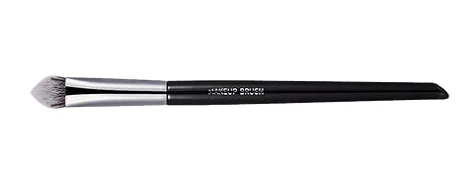
Flat concealer:
Flat-shaped with firm, compact bristles and a slightly tapered edge.
Ideal for picking up cream or liquid concealers and applying them evenly to targeted areas. Works well under the eyes to cover dark circles or on larger blemishes where more coverage is needed.
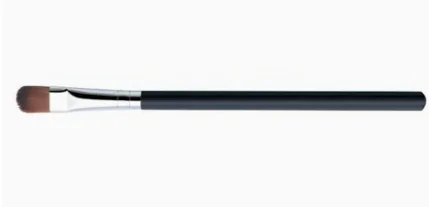
Lip Brush:
Very small, with a flat, pointed tip.
Dip in lipstick or lip gloss for more precise application to the lips, especially suitable for lining the lips and shaping the corners of the mouth.
Lip Brush include different materials such as silicone for precise, easy cleaning and bristle fibers for a softer, traditional finish.
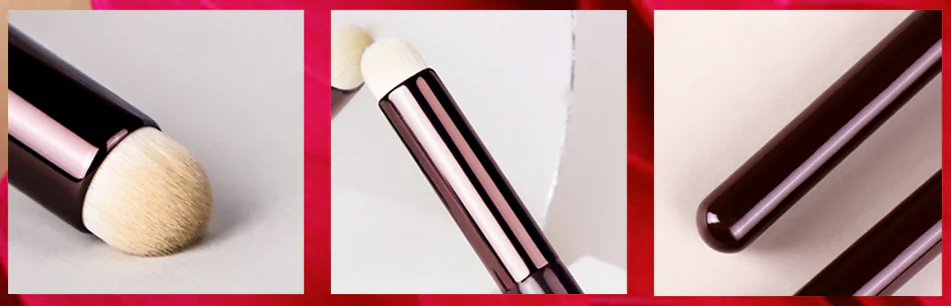
Eyebrow Brush:
A small, firm-bristled brush, used with eyebrow powder or gel to define and shape eyebrows.
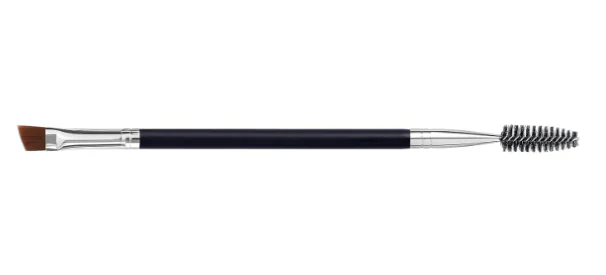
Detail Brush:
Very small, with a fine tapered or pointed tip.
Designed for precise work in tiny areas, such as applying eyeshadow to the inner corners, adding highlight to the cupid’s bow, or smudging eyeliner close to the lash line.
Large Blending Brush:
Fluffy, rounded, and larger than standard eye brushes.
Best for diffusing eyeshadow across the lid and blending colors seamlessly into the crease.
Eyeshadow Brushes (3 Basic Brushes)
Large Eyeshadow Brush (Shade Brush):
The largest and fluffiest eyeshadow brush.
Dip a light eyeshadow (for base) and sweep it over the entire eyelid in a large area, like laying a foundation for painting.
Medium Eyeshadow Brush (Shade/Blending Brush):
Medium size, moderately fluffier.
Dip a base eyeshadow and apply it to the inner crease of the double eyelid or the outer corner of the eye. It can also be used to blend the eyeshadow edges for a natural look (no smudges).
Small Eyeshadow/Detail Brush:
Small, with a pointed or flat tip.
Dip a dark eyeshadow and apply it to the outer corners and the lower third of the lower eyelid. Alternatively, dip a glitter brush and apply it to the center of the eyelid and the inner corners of the eye for highlighting. This brush is great for fine details.
To make it even easier to understand how different brushes work in real routines, we’ve added a short video below. If you are new to makeup, this is a great way to see the brushes in action and learn which ones you really need for your daily look.
3.How to Check the Quality of Makeup Brushes?
No matter the makeup brush size, quality makes a big difference in performance. A poorly made brush will shed bristles, apply unevenly, and feel harsh on the skin. Here are key points to check:
- Bristle softness: Bristles should feel smooth and gentle, not scratchy.
- Density: Well-packed bristles hold and release product more evenly.
- Shape retention: After washing, the brush should return to its original shape.
- Handle balance: A comfortable grip makes application easier.
- Durability: Bristles should not shed easily, even after repeated cleaning.
Investing in a few high-quality brushes in different sizes is better than owning dozens of low-quality ones.
Conclusion – Building Your Collection by Size
If you are new to makeup, starting with a simple 5-piece brush set is often enough. These basic brushes usually cover foundation, powder, blending, contour, and concealer, which makes them practical and easy to learn with.
Once you gain more skills and want to experiment with advanced looks, investing in a complete brush collection is a better choice. A full set gives you more sizes and shapes, so you can achieve precise detailing and professional-level results.
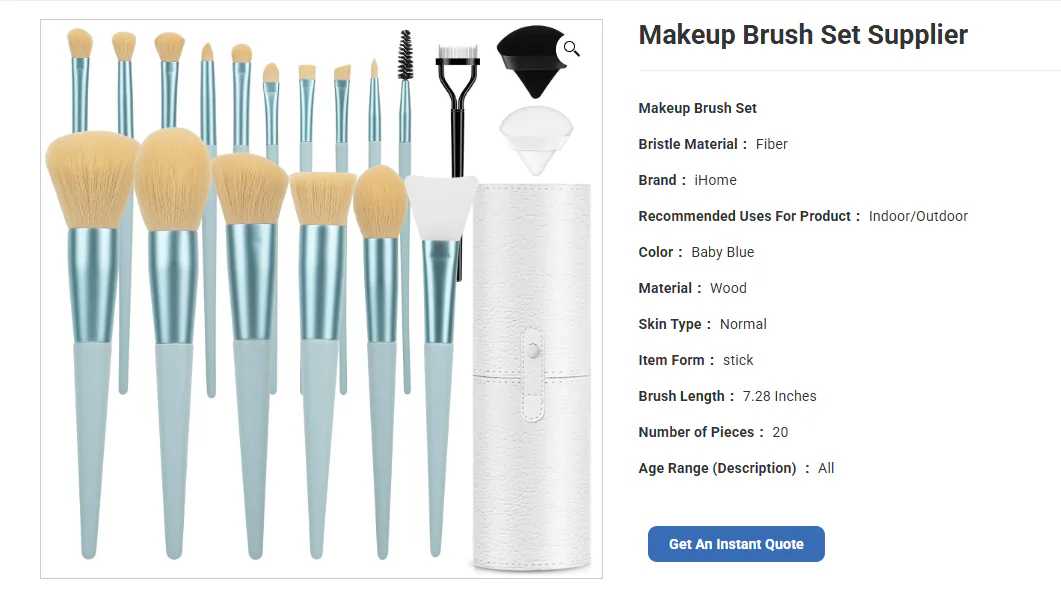
In the end, choosing the right makeup brush size can completely change how your makeup looks and feels. Whether you are just starting with a few essentials or building a complete professional kit, the right tools make application smoother and more precise. At iHome, we are not just a seller but a professional makeup brush factory. We provide a wide range of brush sizes, shapes, and materials that meet international standards. With OEM/ODM services, strict quality control, and direct factory pricing, we help brands, retailers, and wholesalers get reliable products at competitive costs.
👉 Looking for a trusted makeup brush supplier? Contact us today to discuss your sourcing needs, request a quote, or explore our customization options. Let’s create brushes that bring your brand and customers the perfect beauty experience.

Berry Bian is the blog editor at iHome, focusing on global sourcing, wholesale trends, and practical tips for international buyers. With experience in digital marketing and cross-border trade, Berry shares insights that help small and medium businesses source products more efficiently and avoid common pitfalls. Passionate about connecting buyers with reliable suppliers, Berry writes with a clear and friendly style to make complex topics easier to understand.