







Find China Toys Suppliers Better for You
China Toys Suppliers play a crucial role in the global toy industry, supplying a vast array of products ranging from traditional toys to high-tech gadgets. China has established itself as the world’s largest manufacturer of toys, driven by its extensive manufacturing capabilities, cost-effective labor, and a robust supply chain.

1.Toy Trends and Consumer Preferences in The Target Market
To effectively research toy trends and consumer preferences in the target market, focus on analyzing current popular themes, such as sustainability, STEM toys, and character-driven merchandise. Utilize surveys, social media insights, and sales data to understand demographics, preferences, and buying habits. Engaging with parents and children through focus groups can provide valuable qualitative insights, helping tailor products to meet evolving demands.
1.1 Specific Toy Product Types and Features
When determining the type of toy product, safety, education, entertainment, and age suitability should be considered. Safety ensures non-toxic materials and no sharp edges, while education attracts consumers by promoting cognitive, social, or hands-on development. Features can enhance product competitiveness and meet diverse needs.
1.2 Evaluate the Qualifications of Suppliers
Evaluating the qualifications of China toy suppliers involves assessing their compliance with safety standards, production quality, and certifications such as ISO and ASTM. It’s essential to review their manufacturing processes, labor practices, and supply chain transparency. Additionally, checking customer reviews and conducting factory visits can provide insights into their reliability and capacity to meet international market demands.

2.Company’s Background and Reputation of the China Toys Supplier
Researching the background and reputation of a China toys supplier is essential for ensuring product quality and reliability. Begin by examining the company’s history, including its founding date, growth milestones, and major achievements. Check for certifications and compliance with international safety standards, such as ASTM or EN71. Investigate customer reviews and testimonials to gauge client satisfaction and service quality. Additionally, explore their partnerships with other brands and participation in industry trade shows, which can reflect their standing in the market. Understanding these facets will help assess the supplier’s credibility and potential for a fruitful business relationship.
2.1The Inspection of Toy Certification and Standard
The inspection of toy certification and standards is crucial for ensuring children’s safety. Regulatory bodies assess toys for hazards such as choking risks, toxic materials, and mechanical safety. Certification processes involve rigorous testing, including age appropriateness and durability evaluations. Compliance with international standards, such as ISO and ASTM, helps maintain quality and safety across markets. Regular inspections and updates to regulations ensure that toys remain safe as new materials and technologies emerge. Ultimately, these measures protect children and provide peace of mind to parents.
2.2 Understanding of Product Quality Control Process
Understanding the product quality control process involves several key steps: defining quality standards, implementing inspection procedures, monitoring production, and conducting final assessments. It ensures that products meet specified requirements and customer expectations. Continuous improvement through feedback and data analysis is crucial, allowing businesses to identify defects early, enhance efficiency, and maintain a competitive edge in the market while ensuring customer satisfaction.

3.Compare Prices and Costs
When comparing toy prices and costs, it’s essential to consider several factors. First, brand reputation can significantly influence prices; well-known brands often charge more due to perceived quality. Next, the material and safety standards of toys also play a crucial role; for instance, eco-friendly or non-toxic options may be pricier but offer peace of mind. Additionally, seasonal sales and promotions can affect costs, presenting opportunities for savings. Online retailers may have lower prices compared to physical stores due to reduced overhead. Ultimately, evaluating the value of a toy—considering durability and educational benefits—can help determine whether the cost is justified.
3.1 Compare Quotes From Multiple China Toys Supplier
When sourcing toys from China, comparing quotes from multiple suppliers is essential. It helps identify competitive pricing, assess quality, and understand shipping terms. By evaluating different offers, businesses can make informed decisions, negotiate better deals, and ensure they select a supplier that meets their budget and quality standards.

3.2 Consider Toy Delivery Time and Minimum Order Quantity
When planning toy deliveries, it’s crucial to consider both delivery time and minimum order quantity. Efficient logistics can ensure timely arrivals, enhancing customer satisfaction. Simultaneously, setting a minimum order quantity helps manage costs and inventory, ensuring that suppliers can meet demand while maintaining profitability. Balancing these factors is key to success.
3.3 Communication with Suppliers and Their Service Support
Effective communication with suppliers is crucial for maintaining strong business relationships and ensuring smooth operations. Clear, open lines of communication facilitate the exchange of vital information regarding product availability, pricing, and delivery schedules. Regular updates and feedback help address any issues promptly, enhancing service support. Establishing a collaborative approach fosters trust and encourages suppliers to prioritize your needs. Additionally, utilizing technology such as emails, video calls, and collaborative platforms can streamline interactions. By prioritizing effective communication, businesses can optimize their supply chain processes, reduce delays, and enhance overall service quality, ultimately leading to greater customer satisfaction and business success.

4. Evaluate Efficiency and Response Time of Suppliers
Evaluating the communication efficiency and response time of suppliers is crucial for optimizing supply chain performance. Effective communication ensures that information flows seamlessly, enabling timely decision-making and problem resolution. Key metrics to assess include the average response time to inquiries, clarity of information provided, and the frequency of updates during the supply process. Suppliers with quick response times and clear communication tend to foster stronger partnerships and enhance operational efficiency. Regular assessments and feedback mechanisms can help identify areas for improvement, ensuring that suppliers remain responsive and aligned with the organization’s needs, ultimately leading to better service delivery and customer satisfaction.
4.1 Supplier’s After-Sales Service and Product Support
When selecting suppliers, after-sales service and product support are key considerations. High-quality after-sales service not only addresses customer issues promptly but also enhances customer trust in the brand. Suppliers should provide detailed technical support, training, and maintenance services to ensure the normal operation of the product during use. Additionally, the ability to respond quickly and resolve customer feedback is an important indicator of a supplier’s service quality. By conducting in-depth investigations into suppliers’ after-sales service and product support, one can identify the most suitable partners, thereby improving overall operational efficiency and customer satisfaction.
4.2 Samples and Customized Services are Provided
When choosing a product or service, it is crucial to understand whether samples and customization options are available. Samples help customers assess product quality and suitability, enabling them to make informed purchasing decisions. At the same time, customization services can meet individual customer needs and enhance user experience. Many companies strengthen their competitiveness and attract more customers by offering samples and customization options. Before consulting or making a purchase, it is advisable to clearly inquire whether the supplier provides these services to ensure that specific requirements and expectations are met. This not only saves time and costs but also improves customer satisfaction.

5. Establish Long-Term Cooperative Relationships
Establishing long-term cooperative relationships with Chinese toy suppliers can significantly benefit businesses in the global toy market. China, being one of the largest manufacturers of toys, offers a vast array of products at competitive prices. To build sustainable partnerships, companies should focus on clear communication and mutual goals.
Firstly, understanding the suppliers’ capabilities and production processes is crucial. Regular visits to manufacturing facilities can foster trust and transparency, allowing for better collaboration on product development. Additionally, sharing market insights can help suppliers align their offerings with current trends, ensuring both parties remain competitive.
Secondly, establishing fair and transparent pricing models is vital. Long-term contracts with favorable terms can provide stability for both suppliers and buyers, helping to mitigate risks associated with fluctuating costs.
Moreover, investing in a supplier’s growth, such as providing training or resources, can enhance product quality and innovation. This not only benefits the supplier but also ensures that the products meet international safety standards, which is essential in the toy industry.
Building long-term partnerships with Chinese toy suppliers requires a commitment to communication, trust, and mutual growth, ultimately leading to increased competitiveness and success in the global market.
5.1Evaluate the Stability and Reputation of Suppliers
Evaluating the stability and reputation of a supplier is crucial for ensuring a reliable supply chain. Stability refers to the supplier’s financial health, operational capacity, and ability to meet production demands consistently. Factors such as their credit rating, years in business, and market position provide insights into their longevity and resilience.
Reputation, on the other hand, encompasses customer reviews, industry partnerships, and compliance with ethical standards. A supplier known for quality products and timely deliveries enhances your company’s credibility and operational efficiency.
To assess these aspects, businesses can conduct background checks, review third-party audits, and gather feedback from other clients. Engaging in open communication with the supplier can also reveal their commitment to improvement and customer satisfaction. Overall, a thorough evaluation helps mitigate risks and fosters long-term partnerships, ensuring that both parties benefit from a stable and reputable relationship.
5.2 Cooperation Agreement and Terms
A Cooperation Agreement and its terms serve as a foundational framework for collaboration between parties. This document outlines the objectives, responsibilities, and expectations of each participant, ensuring clarity and mutual understanding. Key components typically include the scope of cooperation, duration of the agreement, and the specific roles assigned to each party.
Additionally, the terms often address confidentiality, intellectual property rights, and the mechanisms for conflict resolution, ensuring that sensitive information is protected and disputes are managed effectively. Financial arrangements or resource allocation may also be detailed, clarifying any contributions or benefits expected from each party.
Regular communication channels and reporting requirements are frequently specified to maintain transparency and accountability throughout the partnership. By establishing these terms, the Cooperation Agreement not only fosters trust but also enhances the potential for successful outcomes, enabling all parties to work cohesively towards shared goals. Ultimately, a well-defined agreement paves the way for productive and sustainable collaboration.
5.3 Potential Future Expansion and Cooperation Opportunities
In today’s rapidly changing business environment, it is particularly important to focus on future expansion and collaboration opportunities. Enterprises should actively explore new markets and fields to achieve sustainable growth. Firstly, the expansion of the international market provides enterprises with abundant resources and a customer base. By evaluating the needs and trends in different regions, companies can develop corresponding strategies to enter markets with enormous potential.
Secondly, cooperation with other enterprises is also an important way to achieve expansion. Through strategic alliances or joint ventures, companies can share resources, technology, and market channels. This kind of cooperation can not only reduce risks, but also enhance competitiveness. For example, the collaboration between technology companies and traditional industries can drive digital transformation and create new business models.
In addition, focusing on sustainable development and social responsibility also provides new opportunities for businesses to collaborate. By collaborating with non-governmental organizations and social enterprises, businesses can actively give back to society and enhance their brand image while achieving business goals.
In short, future expansion and cooperation opportunities require companies to have keen market insight and flexible response capabilities. Through continuous innovation and cooperation, enterprises will be able to stand undefeated in competition and achieve long-term development.
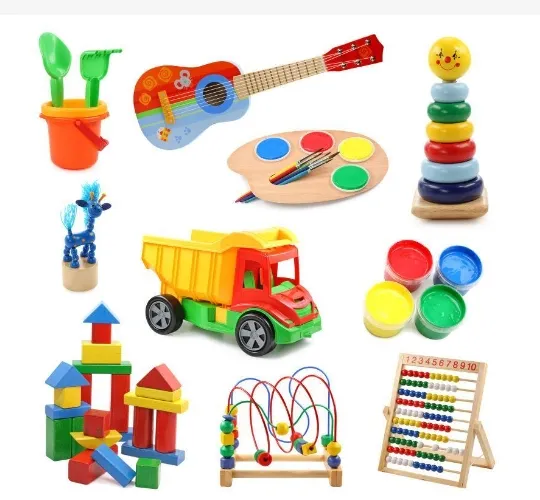
Major cities like Shenzhen and Yiwu are hubs for toy production, where numerous factories cater to both international brands and smaller retailers.However, the industry is not without challenges. Regulatory changes, environmental concerns, and the need for sustainable practices are increasingly influencing production methods. Suppliers must navigate these complexities while maintaining quality and affordability. Additionally, geopolitical tensions and supply chain disruptions can impact operations. Despite these challenges, Chinese toy suppliers remain integral to the industry’s dynamics, continually adapting to meet evolving market demands and consumer trends.