






In today’s globalized market, sourcing baby products from China has become a strategic move for many businesses. With its cost-effective manufacturing, extensive product variety, and innovative designs, China offers unparalleled opportunities for importers.
However, navigating the complexities of importing requires a clear understanding of supplier selection, quality control, logistics, and cost management. This guide will provide you with actionable insights and practical tips to ensure a smooth and profitable experience when you import baby products from China. For more details on working with reliable suppliers, visit our dedicated wholesale baby products supplier page.
1. Why Import Baby Products from China?
When it comes to sourcing baby products, China has established itself as a global leader. Businesses worldwide rely on Chinese manufacturers to meet their demand for quality, affordability, and innovation. But why should you specifically consider importing baby products from China? Here are two key reasons:
1.1 The Benefits of Sourcing from China
China’s robust manufacturing industry provides several advantages for businesses looking to import baby products from China. Key benefits include:
- Large Production Capacity: Chinese manufacturers can handle high order volumes without compromising quality. Whether you’re a startup or an established business, the ability to scale your order quickly and efficiently can be a major advantage. China’s factories are equipped with advanced machinery and staffed by skilled labor, ensuring that large volumes of products can be produced without significant delays.
- Cost Efficiency:Competitive labor and production costs ensure higher profit margins for importers. In addition to affordable wages, China’s supply chain is highly efficient, meaning businesses can save not just on production but also on logistics. This can significantly reduce overhead costs, which is crucial for small businesses looking to scale up quickly.
- Innovation and Trends: Suppliers are quick to adopt new trends, such as eco-friendly materials and ergonomic designs. The Chinese market is incredibly agile, and manufacturers often lead the way in integrating the latest technology and design trends into their products. This includes using non-toxic materials for baby products, ergonomic designs to enhance comfort, and environmentally friendly packaging solutions.
These factors make China an attractive destination for wholesale baby products and help businesses stay competitive in a dynamic market.
1.2 Market Trends and Demand for Baby Products
The global baby products market is growing rapidly. Key drivers include rising birth rates, increased disposable income, and parental focus on quality and safety. Importing from China allows businesses to access a diverse range of trending products, including:
- Organic baby clothes
- Educational toys
- Eco-friendly feeding accessories
Pro Tip: Partnering with innovative suppliers ensures you stay ahead of trends and cater to evolving customer needs. By keeping up with emerging trends, you can position yourself as a leader in the market.
2. How to Find Reliable Suppliers for Baby Products in China
The success of your import business largely depends on the reliability of your suppliers. Selecting the right partner ensures that the products you receive meet your quality expectations and compliance requirements. Here’s how to identify trustworthy suppliers for importing baby products from China:
2.1 Identifying Trusted Manufacturers
Here’s how to find reliable manufacturers for baby products wholesale:
- Use Established Platforms: Websites like Alibaba and Made-in-China host verified suppliers.These platforms allow you to filter suppliers by certifications, reviews, and production capabilities, making it easier to choose a reputable partner.
- Attend Trade Shows: Events such as the Canton Fair provide opportunities to meet manufacturers face-to-face, inspect product samples, and establish direct relationships with suppliers. Trade shows are great for networking and ensuring the suppliers meet your business requirements.
- Prioritize Experience: Choose suppliers with a proven track record in exporting baby products to your target market. Experienced suppliers are more likely to understand the specific regulations, quality standards, and consumer expectations in your country, reducing the likelihood of errors or delays.
2.2 Verifying Supplier Credentials
Ensure your chosen supplier is legitimate and capable by:
- Requesting Documentation: Check for business licenses, export permits, and certifications (e.g., ISO, CE).Documentation proves that the supplier complies with local and international regulations and quality standards.
- Conducting Factory Audits: Use third-party services to inspect production facilities.A factory audit ensures that the supplier’s operations meet your standards in terms of production capacity, working conditions, and product quality. You can hire services like SGS or Bureau Veritas for a detailed inspection.
- Reading Reviews: Gather feedback from previous clients to assess reliability and quality. If possible, contact other businesses that have worked with the supplier to hear about their experiences.
3. What Are the Key Quality Control Measures for Baby Products?
When you import baby products from China, ensuring quality and safety is paramount. Baby products must meet strict standards to protect the health and well-being of infants and toddlers. Here’s how to implement effective quality control measures:
3.1 Ensuring Safety Standards and Compliance
Follow these steps to guarantee product safety:
- Verify Certifications:Look for compliance with ASTM (U.S.), EN71 (Europe), or equivalent standards. These certifications ensure the products meet international safety standards, especially for items that are in contact with infants.
- Test Materials: Ensure products are free from harmful chemicals like BPA and lead. This is crucial because babies are particularly sensitive to toxins, and many markets now require baby products to be free of harmful chemicals.
- Hire Inspectors: Conduct pre-shipment inspections with third-party agencies. Before products leave China, you can have inspectors check the batch for defects, packaging standards, and overall quality. Agencies such as TÜV Rheinland or Intertek offer inspection services.
3.2 Common Quality Issues to Avoid
Be aware of and address these issues:
- Durability Problems: Conduct stress tests to ensure products withstand regular use.This includes checking the sturdiness of toys, the strength of fabric, and the integrity of seams and fasteners.
- Functional Defects: Check for smooth finishes, secure seams, and leak-proof designs.Functional defects can lead to product recalls, which can damage your reputation and cost your business a significant amount of money.
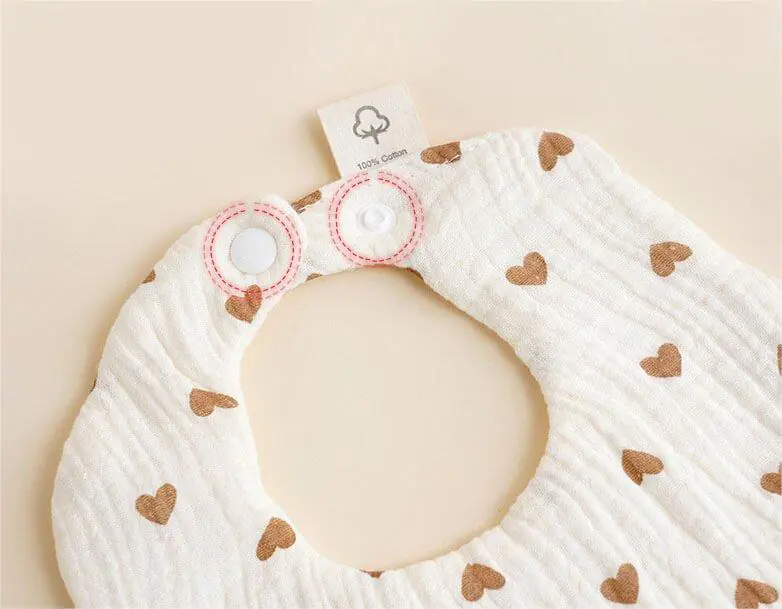
By prioritizing safety and quality, you can build a trusted reputation in the baby products china import market.Ensure that each product meets or exceeds safety standards to build trust with parents and retailers.
4. How to Navigate Shipping and Logistics for Baby Products
Efficient shipping and logistics are essential for a successful import from China operation. Understanding the intricacies of transportation, customs clearance, and delivery will help streamline the process and avoid unnecessary delays.
4.1 Understanding Import Regulations and Duties
Ensure compliance by:
- Researching Regulations: Check labeling and safety requirements for baby products. In many countries, baby products need to meet specific labeling standards (e.g., age recommendations, materials used). Researching these regulations will save you from fines and delays.
- Calculating Duties: Use tariff codes to estimate import taxes accurately.Each product category has a specific duty rate, and customs brokers can assist in calculating the total duties and taxes that will apply to your shipment.
- Preparing Documentation: Organize invoices, certificates of origin, and packing lists.Proper documentation ensures smooth customs clearance and helps avoid delays at ports of entry.
4.2 Choosing the Right Shipping Methods for Baby Products
Consider these factors:
- Sea Freight vs. Air Freight: Choose based on order volume and delivery urgency. Sea freight is more cost-effective for large shipments, while air freight is faster but more expensive. Consider a mixed strategy for urgent orders and regular shipments.
- Packaging Needs: Ensure products are securely packed to avoid transit damage. Baby products often require extra care in packaging to ensure they are not damaged during transport, especially when items are fragile or have delicate parts.
- Freight Forwarders: Partner with professionals for seamless customs clearance and tracking. Freight forwarders manage the logistics of the shipment and ensure that all documents are in order, minimizing potential delays.
5. How to Manage Costs When Importing Baby Products from China
Managing costs is a critical aspect of any import operation. From sourcing to delivery, understanding and optimizing each cost component can significantly impact your bottom line. Here’s how to control expenses effectively when you import baby products from China:
5.1 Calculating Total Import Costs
Understand your full cost structure by:
- Itemizing Expenses: Include product costs, shipping fees, and duties. Be sure to account for hidden costs, such as warehousing fees, insurance, and handling fees.
- Using Cost Calculators: Leverage tools to avoid hidden charges. Be sure to account for hidden costs, such as warehousing fees, insurance, and handling fees.
- Consulting Experts: Work with customs brokers for accurate cost estimates.They can provide detailed cost breakdowns and help you identify ways to minimize expenses.
5.2 Tips for Negotiating Better Prices with Suppliers
Save costs by:
- Placing Bulk Orders: Take advantage of volume discounts.Ordering in bulk lowers the per-unit cost and helps you save significantly on larger shipments.
- Building Long-Term Relationships: Secure preferential pricing and priority service.Long-term relationships with suppliers can help you negotiate better prices, even during peak seasons.
- Comparing Quotes: Source from multiple suppliers to identify competitive deals.Use quotes from several manufacturers to ensure you are getting the best deal available in terms of both quality and price.
Expert Tip: Monitor raw material prices and market trends to strengthen your negotiation position. By staying informed about the global supply chain, you can avoid sudden price hikes and negotiate better deals with your suppliers.
Conclusion
Importing baby products from China offers immense opportunities for businesses, but success depends on careful planning, supplier selection, and cost management. By following these essential tips, you can ensure a smooth import process and meet your customers’ expectations for quality and safety.
Ready to start your import journey? Visit IHOME today to connect with reliable suppliers and explore our extensive range of wholesale baby products. Contact us for personalized support and take the first step towards growing your business!