







Introduction: Understanding Alibaba’s Legitimacy
When it comes to sourcing products from China, one question dominates every buyer’s mind: “Is Alibaba legit?” The short answer is yes—Alibaba is a legitimate, globally recognized B2B e-commerce platform. Founded in 1999 by Jack Ma, Alibaba has grown into one of the world’s largest business-to-business marketplaces, connecting over 200,000 suppliers with millions of buyers across more than 190 countries.
However, legitimacy doesn’t automatically guarantee safety. While Alibaba is widely recognized as a legitimate e-commerce platform, buyers should verify suppliers and use Alibaba’s secure payment system for safety. The platform’s reliability depends heavily on your due diligence, supplier selection, and understanding of built-in protection mechanisms.
What is Alibaba?
Alibaba is a global wholesale marketplace for entrepreneurs to source products from suppliers, in bulk, at competitive prices. Unlike consumer-focused platforms, Alibaba operates as a B2B directory connecting manufacturers, wholesalers, and trading companies with businesses seeking to purchase products in bulk quantities.
The Alibaba Group encompasses several platforms:
- Alibaba.com – B2B wholesale marketplace
- AliExpress – B2C retail platform for consumers
- Taobao & Tmall – Domestic Chinese marketplaces
As of early 2024, Ma replaced SoftBank as Alibaba’s largest shareholder, demonstrating continued founder commitment to the company’s direction.
Is Alibaba a Scam? Separating Fact from Fiction
No, Alibaba is not a scam. Alibaba is widely recognized as a legitimate platform, not a scam. Founded in 1999 and listed on the New York Stock Exchange (NYSE), the company maintains credibility through regulatory oversight and transparent business practices.
However, it’s crucial to understand that Alibaba is legit ≠ All suppliers are legit. The platform itself is legitimate, but individual suppliers vary in reliability. While Alibaba serves as a trusted platform facilitating over 1 billion transactions yearly, risks exist—especially for inexperienced buyers.
Common Scam Risks on Alibaba:
- Fake Supplier Scams – Some scammers pose as legitimate suppliers but disappear after receiving payment
- Quality Misrepresentation – Over 20% of buyers report receiving products that don’t match the sample or description
- Counterfeit Products – Products of inferior quality that can damage your business reputation
- Off-Platform Payment Requests – Attempts to circumvent Alibaba’s protection systems
How Many Suppliers Are on Alibaba?
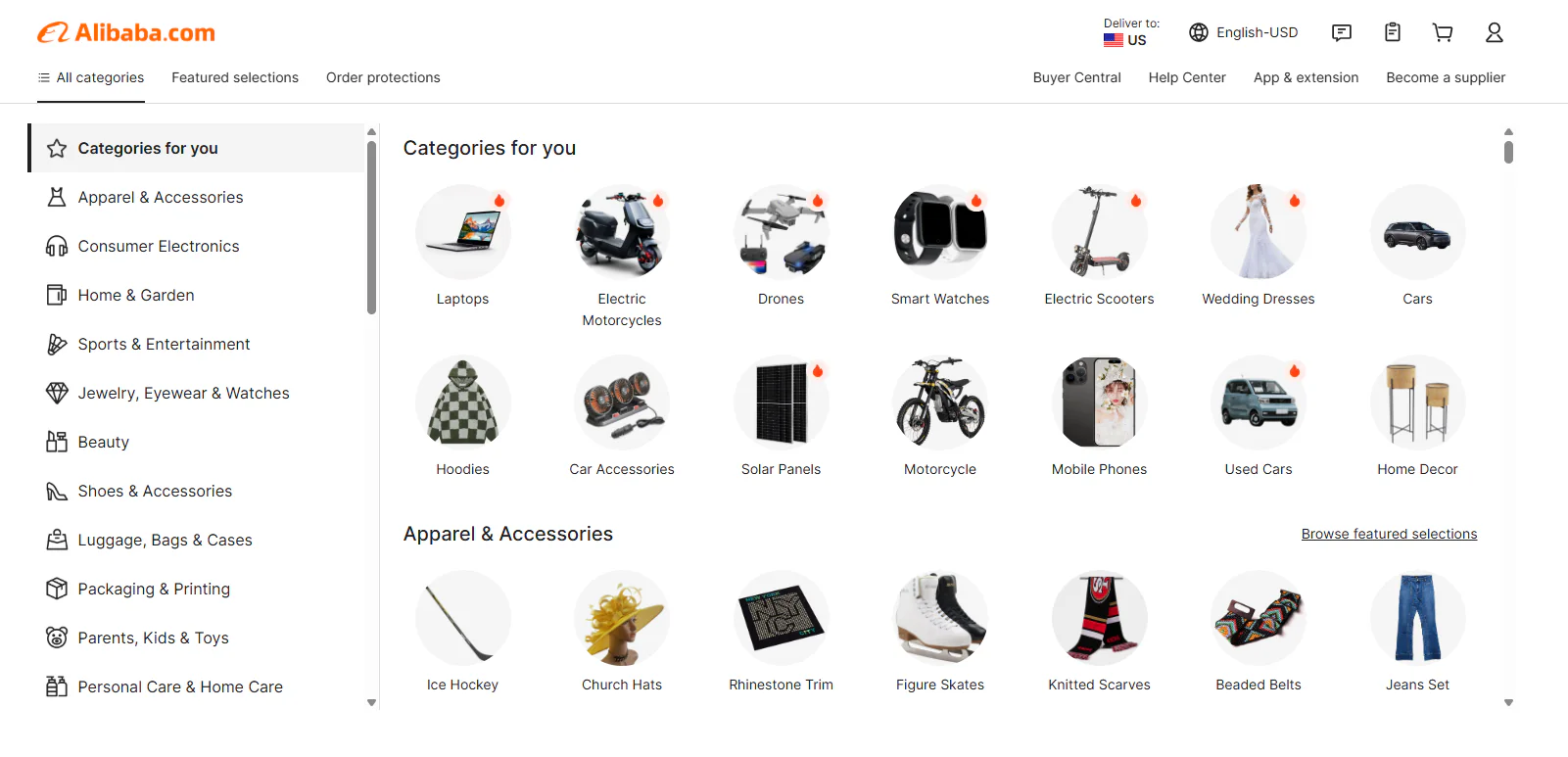
Alibaba.com features over 200 million products from 200,000 suppliers, creating a vast marketplace of manufacturing options. This extensive network includes:
- Direct manufacturers with production facilities
- Verified Gold Suppliers with third-party certifications
- Trading companies serving as intermediaries
- OEM and ODM service providers
While this variety offers tremendous opportunities, it also presents challenges. Many high-quality manufacturers lack export experience, language capabilities, or international business infrastructure—they excel at production but struggle with global commerce logistics.
Is Alibaba Safe to Buy From? Key Safety Features
Yes, Alibaba can be safe when you utilize its built-in protection mechanisms:
1. Trade Assurance Program
The Trade Assurance program is what makes Alibaba 100% legit and safe to buy from. This free service:
- Holds payments in escrow until you confirm satisfactory receipt
- Covers order disputes up to the specified amount
- Provides full refunds when suppliers fail to meet contract terms
- Offers mediation services for resolving conflicts
2. Secure Payment Methods
Multiple safe payment options are supported through Alibaba Trade Assurance, including credit/debit card, PayPal, wire transfer, and Apple Pay. PayPal offers the most consumer protection but comes with higher transaction fees.
3. Supplier Verification Systems
Alibaba provides several badges to help identify trustworthy sellers:
- Gold Supplier Status – Indicates paid membership and third-party verification
- Verified Supplier Badge – Shows business license and operation verification
- Assessed Supplier – Third-party inspection of the company’s facilities
- Trade Assurance Badge – Supplier participates in buyer protection program
4. Buyer Protection Policies
The platform implements multiple safeguards including:
- Dispute resolution systems
- Quality inspection services
- Logistics tracking
- Customer support channels
Who Owns Alibaba?
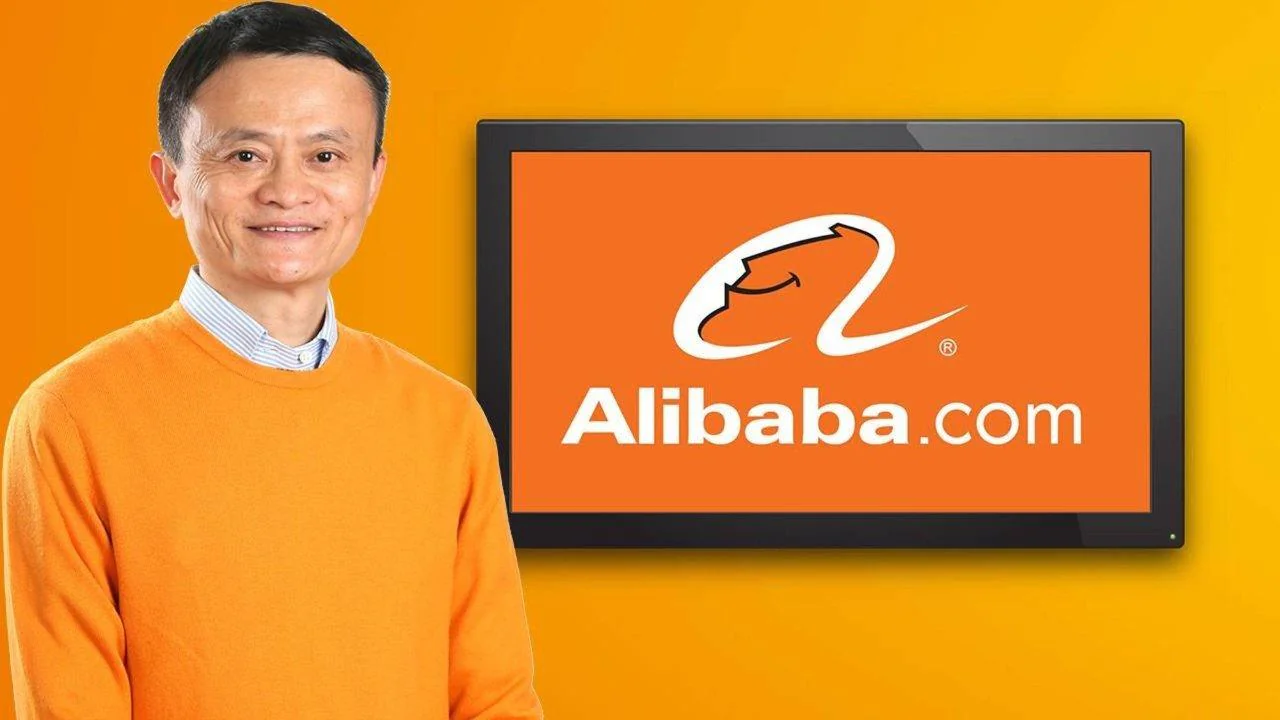
Jack Ma co-founded Alibaba, and Ma became the company’s largest shareholder in early 2024. It’s a publicly traded company listed on the New York Stock Exchange, providing additional regulatory oversight and transparency. The company underwent significant restructuring in 2023, splitting into six independent business units to improve agility and focus.
How Does Alibaba Work?
Alibaba functions as a matching platform rather than a direct seller:
- Supplier Listings – Manufacturers and wholesalers create product listings
- Buyer Search – Businesses search for products and suppliers
- Inquiry & Negotiation – Buyers contact suppliers to discuss specifications, pricing, and MOQs
- Quotation – Suppliers provide formal quotes
- Order Placement – Orders are placed through the platform
- Payment Processing – Payments held securely via Trade Assurance
- Production & Quality Control – Products manufactured and inspected
- Shipping – Goods shipped via agreed-upon logistics
- Delivery Confirmation – Payment released after buyer confirms receipt
Is Alibaba and AliExpress the Same?
No, while both are owned by Alibaba Group, they serve different markets:
Alibaba.com
- Purpose: B2B wholesale marketplace
- Target Audience: Businesses purchasing in bulk
- Order Requirements: Minimum order quantities (MOQs)
- Pricing: Wholesale prices (negotiable)
- Customization: Available for branding and specifications
- Suppliers: Manufacturers and factories
AliExpress
- Purpose: B2C retail marketplace
- Target Audience: Individual consumers
- Order Requirements: No minimums (buy single items)
- Pricing: Retail prices (fixed)
- Customization: Limited or not available
- Suppliers: Retailers and trading companies
Whereas Alibaba focuses on bulk orders of wholesale inventory, AliExpress is geared more to consumers with the option for small purchases of even one item.
Why is Technology (Products) on Alibaba So Cheap?
Several factors contribute to Alibaba’s competitive pricing:
- Direct Factory Access – Eliminates middleman markups
- Manufacturing Scale – China’s massive production infrastructure drives costs down
- Lower Labor Costs – Reduced manufacturing expenses in Chinese factories
- Competitive Market – Thousands of suppliers compete for business
- Bulk Purchasing – Wholesale quantities reduce per-unit costs
- Export-Focused Economy – Government support for export businesses
However, remember: extremely low prices can indicate quality compromises or potential scams. Although this may seem like a cumbersome task, going through the profile of suppliers you’re interested in buying products from will allow you to assess whether the seller on Alibaba is legit.
Does Alibaba Supplier Provide Sea Certificate?
Most legitimate Alibaba suppliers can provide various certifications and documentation:
- Product Certifications – CE, FCC, RoHS, FDA, etc.
- Quality Standards – ISO 9001, ISO 14001
- Factory Audits – Third-party inspection reports
- Export Documentation – Commercial invoices, packing lists, bills of lading
- Test Reports – Material composition, safety testing
Confirm that any product you’re sourcing is legal to import and safe to sell. Different markets have different rules. Always request certification documentation before placing large orders and verify authenticity through official channels.
8 Critical Steps to Buy Safely from Alibaba
1. Use Verified Suppliers Only
By using Verified Suppliers in combination with Trade Assurance, finding suppliers and sourcing products to sell on Alibaba is safe and easy. Look for:
- Gold Supplier badges
- Verified manufacturer status
- High transaction levels
- Years in business
2. Check Supplier Profiles Thoroughly
Examine:
- Business license and registration
- Factory photos and videos
- Product certifications
- Transaction history
- Response time and rate
3. Read Reviews and Ratings
Positive reviews and high ratings are good indicators of a trustworthy seller. Look for detailed feedback from previous buyers about:
- Product quality
- Communication responsiveness
- Shipping reliability
- After-sales service
4. Always Order Samples First
Always ask for samples before placing a large order. This helps you verify the product quality and the supplier’s ability to deliver what they promise. Sample orders help you:
- Assess actual product quality
- Verify specifications
- Test shipping times
- Evaluate packaging standards
5. Use Trade Assurance
Once you’ve finalized your first bulk order, make sure you indicate to your supplier that you would like to pay using Alibaba Trade Assurance. This is the single most important protection mechanism.
6. Conduct Quality Inspections
Hire a third-party agency like SGS or Bureau Veritas, or use Alibaba’s partnered services. Inspections can occur at:
- Pre-production stage (raw materials)
- During production (manufacturing process)
- Pre-shipment (finished goods)
7. Never Pay Outside the Platform
Avoid paying outside of Alibaba’s platform, as it removes the protection you have through their systems. Scammers often request:
- Direct bank transfers
- Western Union payments
- WeChat/Alipay transfers outside Trade Assurance
- Cryptocurrency payments
8. Communicate Clearly and Document Everything
Maintain written records of:
- Product specifications
- Pricing agreements
- Delivery timelines
- Quality standards
- Shipping arrangements
The Challenges of Sourcing Directly on Alibaba
While Alibaba offers access to manufacturers, direct sourcing presents significant challenges:
Communication Barriers
- Language differences complicate technical discussions
- Time zone gaps delay responses
- Cultural business practice differences
- Misunderstandings about specifications
Quality Control Concerns
- Difficulty verifying factory capabilities remotely
- Risk of receiving substandard products
- Inconsistent quality between sample and bulk orders
- Limited recourse for quality issues
Logistics Complexity
- Navigating international shipping regulations
- Customs clearance procedures
- Import duties and taxes calculation
- Multiple suppliers mean multiple shipments
Supplier Verification Difficulties
In 2022, about 15% of cross-border e-commerce complaints were scams like fake companies or fake licenses. Without local presence, verifying legitimacy is challenging.
Export Capability Gaps
Many excellent manufacturers lack:
- International business experience
- Export license and documentation knowledge
- English-speaking staff
- International payment processing
- Global logistics expertise
The iHome Solution: Professional Sourcing Simplified
This is where professional sourcing agents like iHome provide substantial value. With access to tens of thousands of Chinese factory suppliers, iHome bridges the gap between buyers and high-quality manufacturers who may not be visible or accessible through Alibaba.
Why Choose a Sourcing Agent?
Access to Hidden Manufacturers Many of China’s best factories focus exclusively on production and lack:
- Alibaba storefronts
- International marketing presence
- Export capabilities
- English communication resources
iHome’s network includes these exceptional manufacturers with superior production capabilities and competitive pricing that aren’t easily discoverable on public platforms.
Multi-Factory Consolidation One of iHome’s most valuable services is the ability to consolidate multiple SKUs from different factories into single shipments. This means:
- Reduced shipping costs (one shipment vs. multiple)
- Simplified logistics management
- Faster delivery timelines
- Lower minimum order quantities across product ranges
- Easier inventory management
Quality Assurance Professional sourcing includes:
- Factory vetting and verification
- On-site quality inspections
- Production monitoring
- Pre-shipment checks
- Quality dispute resolution
Communication Bridge Native-speaking agents eliminate:
- Language barriers
- Cultural misunderstandings
- Specification errors
- Negotiation difficulties
Logistics Management Comprehensive shipping support:
- Best freight forwarding rates
- Customs documentation
- Import/export compliance
- Door-to-door delivery options
Risk Mitigation Professional agents provide:
- Supplier financial background checks
- Contract negotiation and protection
- Payment security
- Dispute mediation
- Legal protection
Frequently Asked Questions (FAQs)
Is Alibaba legit?
Yes, Alibaba is a legitimate B2B e-commerce platform founded in 1999 and listed on the New York Stock Exchange. With the development of e-commerce, Alibaba’s journey traces back to its founding in 1999 by Jack Ma and his team, evolving into a global leader in e-commerce serving millions of users across the world. However, individual supplier legitimacy varies, requiring proper due diligence.
Is Alibaba safe to buy from?
Yes, Alibaba is generally safe when you follow proper protocols: use Trade Assurance, verify suppliers, order samples, conduct inspections, and never pay outside the platform. Alibaba is a safe e-commerce marketplace to buy from with over 305 million active users and a consumer rating of 4.58 stars out of 5.
What is Alibaba?
Alibaba is a global B2B wholesale marketplace that connects businesses with manufacturers and suppliers, primarily based in China. It facilitates bulk purchasing for businesses seeking to source products for resale, manufacturing, or operational needs.
Is Alibaba a scam?
No, Alibaba itself is not a scam. It’s a publicly-traded, legitimate company. However, like any large marketplace, some individual suppliers may attempt scams. Proper verification and use of Trade Assurance protect against fraudulent sellers.
How many suppliers are on Alibaba?
Alibaba features over 200,000 suppliers offering more than 200 million products across virtually every category. This includes manufacturers, trading companies, wholesalers, and OEM/ODM service providers.
Who owns Alibaba?
Alibaba was co-founded by Jack Ma, who became the company’s largest individual shareholder in early 2024. The company is publicly traded on the New York Stock Exchange, with shares held by institutional investors, founders, and public shareholders.
How does Alibaba work?
Alibaba operates as a matching platform where suppliers list products, buyers search and inquire, negotiations occur, orders are placed through secure payment systems (Trade Assurance), products are manufactured and shipped, and payments are released upon delivery confirmation.
Is Alibaba and AliExpress the same?
No, Alibaba is a B2B wholesale marketplace requiring bulk orders, while AliExpress is a B2C retail platform allowing single-item purchases. Both are owned by Alibaba Group but serve different customer types and purposes.
Does Alibaba supplier provide sea certificate?
Most legitimate suppliers can provide necessary certifications including product compliance certificates (CE, FCC, RoHS), quality standards (ISO), factory audits, and export documentation. Always request and verify certifications before placing orders.
Why is technology in Alibaba so cheap?
Technology products on Alibaba are cheaper due to direct factory access eliminating middlemen, China’s large-scale manufacturing infrastructure, lower production costs, competitive supplier environment, and wholesale bulk pricing. However, extremely low prices may indicate quality compromises.
Conclusion: Smart Sourcing Strategies for 2026
Alibaba is unquestionably legitimate and can be safe for purchasing when proper precautions are taken. While Alibaba is generally considered reliable, the reliability of your experience depends on various factors including seller reputation, product quality, payment security, and customer support.
However, navigating Alibaba successfully requires significant time, expertise, and risk management. For businesses seeking:
- Access to premium manufacturers not active on Alibaba
- Multi-factory SKU consolidation
- Professional quality control
- Communication bridge services
- Logistics management
- Risk mitigation
Professional sourcing agents like iHome offer comprehensive solutions that transform complex international procurement into streamlined, secure transactions. With established relationships across tens of thousands of Chinese factories, iHome provides access to exceptional manufacturers, superior pricing, and consolidated shipping options that optimize your entire supply chain.
Whether you choose to source directly through Alibaba or partner with professional agents, understanding the platform’s capabilities and limitations is essential for successful international procurement in 2026.
Ready to simplify your China sourcing? Contact iHome today to access our network of verified manufacturers, enjoy multi-factory consolidation services, and experience professional procurement management that protects your investment while maximizing value.

Kelsey Sun is a China procurement expert with over 8 years of experience in cross-border sourcing and supply chain management. As a Senior Sourcing Specialist at iHomeChina, she has successfully connected hundreds of international businesses with vetted Chinese manufacturers. Kelsey specializes in supplier verification, quality control, and multi-factory consolidation strategies, with deep expertise in both major B2B platforms like Alibaba and China’s network of high-quality manufacturers who lack international visibility.