







In the dynamic world of fashion and functional apparel, socks have become a staple item with ever-growing global demand. Whether it’s athletic performance, sustainable living, or luxury fashion, the socks industry offers endless opportunities for growth. For businesses looking to tap into this lucrative market, socks import from China provides an ideal gateway. With its unmatched manufacturing capabilities, competitive pricing, and vast product range, China remains a leading supplier for wholesale socks. However, to succeed in this industry, it’s essential to understand the latest trends, challenges, and opportunities that can set your business apart. This guide explores everything you need to know to navigate the socks import process effectively and achieve wholesale success.
1. Why Choose China for Socks Import?
1.1. The Global Demand for Socks and China‘s Role
Socks are a fundamental garment in the global textile industry, with constant demand across various markets worldwide. From everyday casual wear to sports and medical purposes, the need for high-quality socks is ever-present. China, as the world’s largest manufacturer, plays a crucial role in meeting this global demand.
Socks Import from China has become increasingly popular due to the country’s dominant position in the textile manufacturing sector. China produces millions of socks annually, ranging from basic cotton socks to high-performance athletic and luxury socks. With a robust manufacturing infrastructure and competitive pricing, Chinese manufacturers can meet a variety of market needs, from bulk wholesale orders to specialized, niche sock designs.
In addition, China has developed advanced textile technology, producing socks that are not only affordable but also innovative in design and functionality. For example, smart socks with moisture-wicking technology or compression socks for medical use are all manufactured in China and are exported globally.
For businesses looking to enter the sock market or scale their operations, importing socks from China provides access to a vast array of products at highly competitive prices. This makes China a strategic source for socks imports, enabling businesses to cater to diverse consumer needs, whether for fashion, comfort, or specialized purposes.
1.2. Advantages of Manufacturing Socks in China
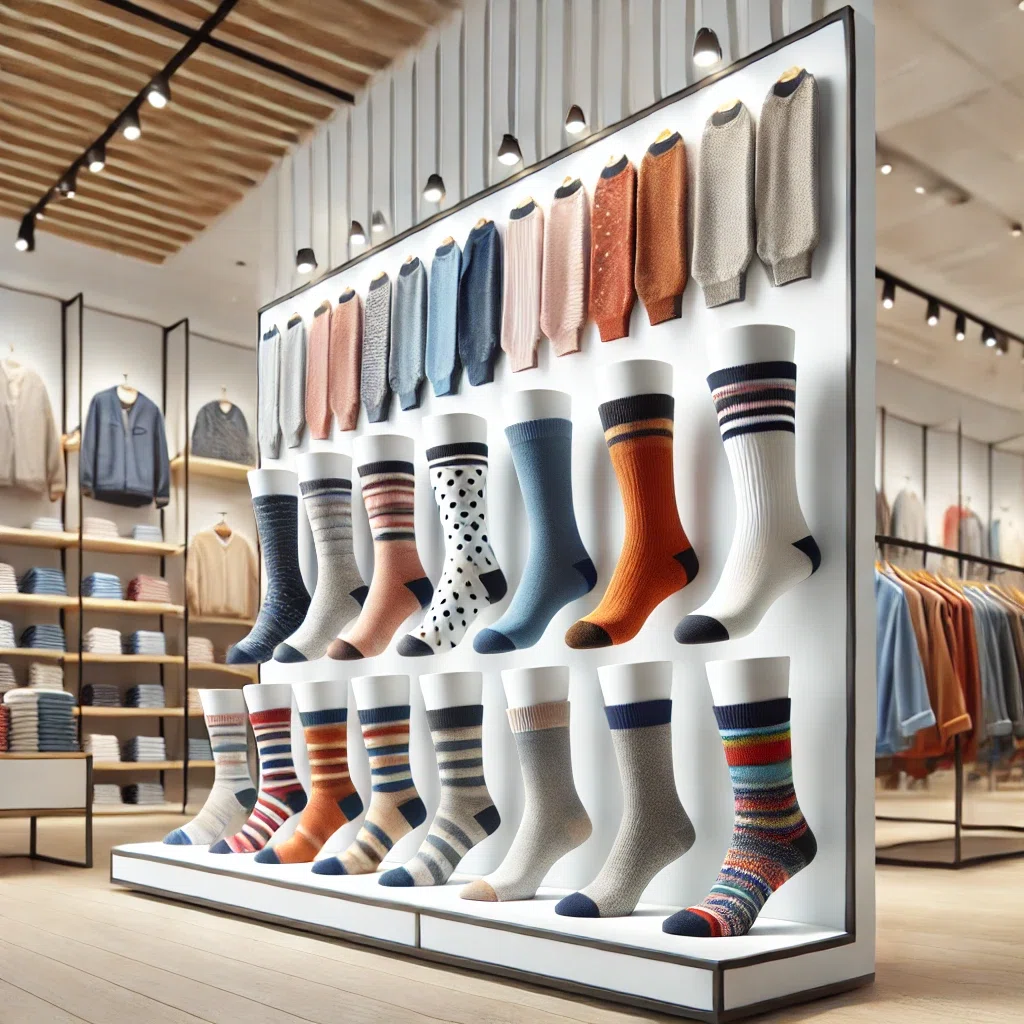
The decision to source socks from China presents numerous benefits for wholesalers and businesses looking to import socks. Firstly, importing goods from China offers access to some of the most cost-effective production options globally. China’s established infrastructure, economies of scale, and labor force make it the top choice for manufacturing socks at competitive prices, without compromising quality.
One of the significant advantages of sourcing socks from China is the wide variety of manufacturing capabilities. Whether you are looking for basic cotton socks, wool socks, compression socks, or environmentally friendly options made from sustainable materials, Chinese manufacturers can deliver on these specifications. Furthermore, China’s advanced technology in knitting machines ensures precision and consistency, which are crucial for maintaining the high standards required in wholesale socks distribution.
Another key benefit is the rapid production turnaround. Chinese manufacturers are well-versed in managing large-scale production, making it easier for businesses to fulfill bulk orders quickly. Moreover, the flexibility to customize designs, materials, and sizes means businesses can create unique product lines tailored to specific markets or consumer preferences.
Given these advantages, it’s no surprise that buying products from China, especially socks, is an appealing option for wholesalers and retailers across the globe. This cost-effective manufacturing and product diversity solidify China as the leading choice for importing socks.
2. How to Import Socks from China: A Step-by-Step Guide
2.1. Finding Reliable Suppliers and Manufacturers
When importing goods from China, one of the most critical steps is finding a reliable supplier that meets your quality and delivery standards. Given the vast number of sock manufacturers in China, this process requires due diligence to ensure you partner with a reputable company that can consistently provide high-quality products.
Start by researching suppliers through well-established platforms like Alibaba, Global Sources, or Made-in-China. These platforms offer comprehensive supplier profiles, which can help assess factors like production capacity, certifications, and reviews from previous buyers. Look for manufacturers that specialize in sock production, as this ensures they have the expertise and the latest technology to produce high-quality socks.
In addition to online directories, consider visiting trade fairs such as the Canton Fair or the China International Hosiery Expo, which provide excellent opportunities to meet suppliers in person, inspect their products, and negotiate prices directly. This face-to-face interaction can help you establish a trustworthy relationship and clarify your specific requirements.
Another crucial factor in selecting a supplier is communication. Be sure to assess how responsive the supplier is to inquiries and whether they can provide the necessary documentation, such as certifications and product samples, before committing to an order. Establishing clear terms and agreements before initiating the first order is essential to avoid misunderstandings and ensure a smooth importing process.
2.2. Understanding Import Regulations and Tariffs
Import from China is subject to various regulations and tariffs that businesses must understand to avoid delays or unexpected costs. Every country has different import laws, and it’s crucial to research these rules before starting your socks import journey. Tariffs on socks, as a type of textile product, can vary depending on your home country’s trade agreements with China and the specific materials used in production.
For example, the United States imposes tariffs on certain textile imports, including socks, but the exact rate may vary based on the fabric composition or country of origin. It’s essential to consult with a customs broker or trade expert to determine the exact duties and taxes you may need to pay when importing socks from China.
Another consideration is meeting local quality and safety standards. Many countries have regulations regarding the materials used in socks, especially when it comes to children’s socks or those used for medical purposes. Ensure that your Chinese supplier provides all necessary documentation and certifications to comply with local laws and standards.
Lastly, don’t forget about the importing goods process itself. You’ll need to understand shipping, customs declarations, and clearance processes. Depending on the shipping method you choose, you may need to coordinate with a freight forwarder or logistics company to handle these steps.
2.3. Common Shipping Methods for Socks Import
When importing goods such as socks, selecting the right shipping method is crucial for ensuring timely delivery and minimizing costs. The most common shipping options for socks imports from China are ocean freight, air freight, and express shipping.

Ocean Freight: This is the most cost-effective option for bulk socks orders. Shipping large volumes of goods via container ships typically takes longer (usually 15-30 days), but it is ideal for businesses that import large quantities and are looking to keep costs low. The shipping cost is calculated based on the weight or volume of goods, and customs clearance must be arranged at the port of entry.
Air Freight: If you need your socks imported quickly, air freight is the fastest method, typically taking 3-7 days. However, air freight is significantly more expensive than ocean freight, so it is generally used for smaller, urgent orders.
Express Shipping: For smaller quantities or trial orders, express shipping through services like DHL, FedEx, or UPS can be a good option. While it offers fast delivery times (3-5 days), express shipping is also the most expensive.
When deciding on a shipping method, consider your budget, lead times, and the size of your order. Working with a reliable freight forwarder can streamline the process, help with documentation, and ensure your socks are delivered safely and on time.
3. What Makes a Good Wholesale Socks Supplier?
3.1. Key Factors to Evaluate: Quality, MOQ, and Pricing
Quality: The quality of socks is paramount. Poor quality products can damage your reputation, lead to customer complaints, and increase returns. When evaluating a supplier, ask for product samples before placing a bulk order. Look for socks that meet your specific requirements in terms of material, durability, comfort, and appearance. Pay attention to stitching, elasticity, and any unique features, such as moisture-wicking or antimicrobial properties, especially if you are importing specialized socks. Be sure to check whether the supplier can meet industry standards and certifications, particularly if you are importing socks for sensitive markets like children or medical use.
When it comes to socks import from China, selecting the right wholesale supplier is crucial to ensuring a successful business venture. Several key factors should be evaluated to find a reliable supplier who can consistently deliver quality products at competitive prices. The most important considerations include quality, minimum order quantity (MOQ), and pricing.
MOQ (Minimum Order Quantity): MOQ is an important consideration when buying products from China. Suppliers often have a minimum order quantity that may vary depending on the product type and customization requirements. A lower MOQ can be beneficial for businesses just starting out or those testing a new product line. However, larger orders often come with better pricing. It’s essential to strike a balance between MOQ and your budget, as ordering too much stock could tie up capital in inventory.
Pricing: Pricing plays a significant role in determining your profit margins. The price of socks can vary greatly depending on factors such as material, design complexity, and order volume. While lower pricing might be appealing, it’s important to assess the overall value. Ensure that the supplier offers competitive pricing without compromising on quality. Remember, extremely low prices could indicate poor-quality products or hidden costs. Always request a detailed breakdown of pricing, including shipping, packaging, and any potential additional charges.
A good wholesale socks supplier should offer high-quality products, flexible MOQ, and competitive pricing that aligns with your business goals. By carefully evaluating these factors, you can ensure a long-term, profitable partnership with a supplier in China.
3.2. Tips to Avoid Scams and Fraudulent Suppliers
Unfortunately, the global marketplace for importing goods from China is not without its risks. Scams and fraudulent suppliers can negatively impact your business, causing financial loss and reputational damage. To minimize the risk of encountering scams, it’s crucial to follow certain guidelines when choosing a supplier.
Research and Vet Suppliers Thoroughly: One of the best ways to avoid scams is to conduct in-depth research before committing to a supplier. Utilize platforms like Alibaba, Made-in-China, and Global Sources to find reputable suppliers. These platforms often feature supplier ratings, reviews, and transaction history, which can give you insight into their reliability. It’s essential to check whether the supplier has a verifiable business license and factory certification. If possible, visit the supplier’s facility or request a third-party inspection to verify their legitimacy.
Request Product Samples: Always request product samples before making a large purchase. This allows you to assess the quality of the socks and ensure they meet your specifications. Be wary of suppliers who refuse to provide samples or demand large payments upfront without providing any product proof. If the sample quality is poor or not as advertised, it’s a red flag.
Avoid Suppliers with Unrealistically Low Prices: While pricing is a key factor in choosing a supplier, be cautious of deals that seem too good to be true. If a supplier offers socks at significantly lower prices than the market average, it could indicate poor quality or even fraudulent practices. These suppliers may offer substandard products, which can damage your reputation and result in high return rates.
Use Secure Payment Methods: Always use secure payment methods when making transactions. Services like PayPal or trade assurance through platforms like Alibaba provide a level of protection if the supplier fails to deliver the goods as promised. Avoid paying suppliers through untraceable methods like wire transfers or cryptocurrency, as these can make it difficult to resolve disputes.

By following these tips, you can minimize the risk of scams and fraudulent suppliers when importing goods from China. Ensuring that you are working with a legitimate, trustworthy supplier will set the foundation for a successful business venture in the wholesale socks market.
4. Popular Types of Socks to Import from China
4.1. Best Materials for High-Quality Socks
When it comes to socks import from China, the materials used to make the socks are critical to their quality, comfort, and performance. China offers a wide range of materials for socks production, each with its unique benefits. Here are some of the best materials to look for when importing socks from China:
Cotton: Cotton is one of the most popular materials for socks due to its breathability, softness, and moisture-wicking properties. It’s ideal for everyday socks, providing comfort for extended wear. When importing cotton socks, look for suppliers that use high-quality cotton to ensure durability and a soft feel.
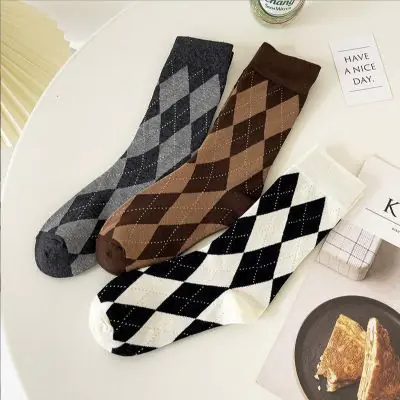
Wool: Wool socks are perfect for colder climates and provide excellent insulation. Merino wool, in particular, is highly sought after for its softness and natural temperature-regulating properties. Wool socks are ideal for outdoor activities, hiking, or winter sports. Ensure that the supplier uses high-quality wool that is both soft and durable for maximum comfort.
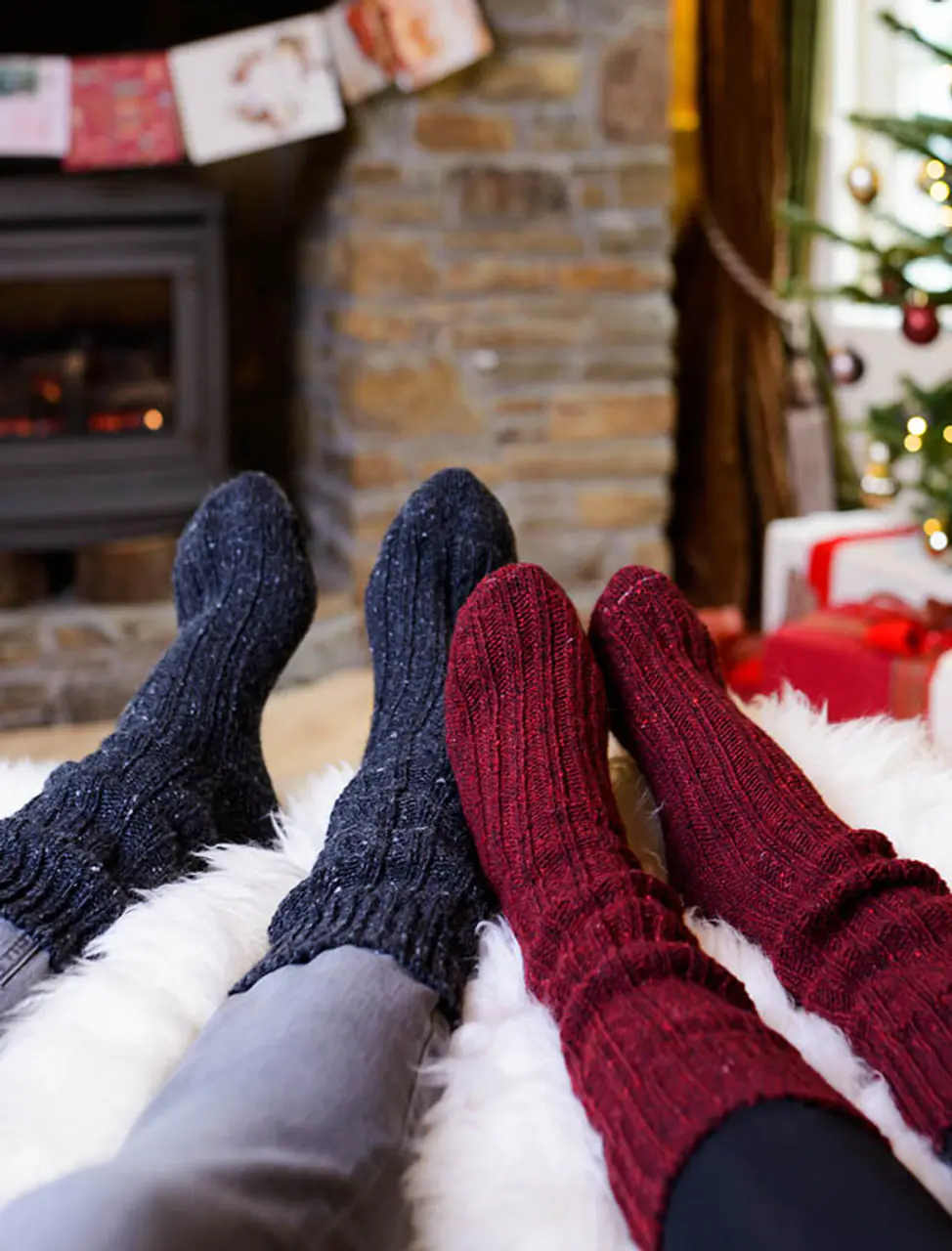
Nylon and Spandex: For socks that require stretchability, nylon and spandex are commonly used. These materials provide elasticity and ensure that socks retain their shape after multiple washes. They are often used in athletic socks or compression socks. Look for suppliers who use the right blend of these materials to ensure comfort and longevity.
Bamboo Fiber: Bamboo fiber is gaining popularity in the socks market due to its eco-friendly nature and antibacterial properties. Bamboo socks are naturally odor-resistant, breathable, and moisture-wicking, making them an excellent choice for athletic or casual socks. Importing bamboo socks from China can appeal to environmentally conscious consumers.
When selecting materials for your socks, it’s essential to align the fabric choice with the specific market needs and your target customers. Whether you’re looking for cotton, wool, or eco-friendly materials, China offers a wide range of options for high-quality socks.
4.2. Trending Designs and Styles in the Market
The socks market is constantly evolving, with new designs and styles emerging to cater to different consumer preferences. When importing socks from China, it’s essential to stay updated on the latest trends to ensure your product offering is in line with market demands. Here are some of the most popular designs and styles currently trending in the global socks market:
Athletic Socks: With the rise of fitness and sports culture, athletic socks are in high demand. These socks often feature performance-enhancing elements such as moisture-wicking fabrics, arch support, and cushioning for added comfort during physical activity. Custom designs with vibrant colors and branding are also popular among sports teams and fitness brands.
Compression Socks: Compression socks are designed to improve circulation and reduce swelling, making them popular among athletes, travelers, and individuals with certain medical conditions. These socks often come in sleek, professional designs, and there is growing demand for stylish compression socks that combine both function and fashion.
Fashion Socks: Fashion socks have become a statement piece, with unique patterns, colors, and designs. Socks featuring bold prints, such as stripes, polka dots, or animal patterns, are popular among young consumers. Novelty socks, such as those with humorous sayings or pop culture references, are also a hot trend.

Eco-Friendly Socks: With the increasing awareness of sustainability, eco-friendly socks made from materials like organic cotton, bamboo fiber, or recycled polyester are gaining traction. These socks appeal to environmentally conscious consumers looking for sustainable alternatives to traditional textile products.
When importing goods from China, consider these trending styles and designs to stay ahead of the competition and meet the evolving demands of the global market. By aligning your sock offerings with current trends, you can tap into a growing consumer base and increase your wholesale success.
5. Is Socks Import a Profitable Business?
5.1. Current Market Trends and Demand for Socks
The global socks market is experiencing robust growth, making socks import from China an increasingly profitable venture. Socks, being a staple item in both fashion and functional apparel, enjoy consistent demand across various consumer segments.
Market Growth and Trends: The socks market is projected to grow significantly due to rising consumer awareness about foot health and increasing demand for stylish, high-quality socks. Trends like athleisure and eco-friendly products are driving innovation, with many consumers seeking socks that combine functionality with fashion. Performance-enhancing features such as moisture-wicking, odor control, and compression are becoming must-haves for modern consumers.
China‘s Role in the Market: China is the leading manufacturer of socks globally, producing a vast range of products to cater to diverse markets. With its advanced production capabilities and cost-effective manufacturing processes, China has positioned itself as a reliable supplier for both basic and high-end socks. Importing socks from China allows businesses to access this broad product range at competitive prices.
Wholesale Opportunities: Buying socks wholesale from China can result in significant cost savings, allowing businesses to achieve higher profit margins. Additionally, China’s ability to produce customized designs in bulk ensures that importers can meet specific market demands, such as branded socks for corporate promotions or trend-driven styles for retail consumers.
The combination of high global demand and China’s competitive manufacturing environment makes socks import a lucrative business opportunity. By staying informed about market trends and consumer preferences, businesses can capitalize on this growing market.
5.2. Countries with High Demand for Imported Socks
Understanding where the demand for imported socks is highest can help businesses target the most profitable markets. Several countries stand out due to their significant consumer base and reliance on imported goods:
United States: The U.S. is one of the largest markets for imported socks, driven by its diverse consumer base and high purchasing power. The demand spans across various categories, from casual cotton socks to high-performance athletic socks. Importers often source from China to take advantage of competitive pricing and the ability to customize products.
European Union: Countries like Germany, the UK, and France are major importers of socks, with consumers prioritizing quality and style. Eco-friendly and sustainable socks are particularly popular in this region, providing opportunities for businesses to import innovative products from China.
Southeast Asia and Middle East: These regions are witnessing growing demand for imported socks due to rising disposable incomes and increasing awareness about premium and performance-enhancing products. Bulk imports from China allow businesses in these regions to offer competitive pricing to their customers.
Australia and Canada: Both markets value high-quality, durable socks and have a preference for brands offering unique designs. Importing socks from China enables businesses in these regions to cater to consumer preferences while maintaining profitability.
By identifying and targeting high-demand markets, businesses can maximize the profitability of their import from China operations. Tailoring product offerings to suit regional preferences further enhances success in these markets.
6. Challenges in Socks Import and How to Overcome Them
6.1. Common Issues: Delays, Quality Control, and Hidden Costs
While importing goods from China, businesses often encounter challenges that can impact their operations and profitability. Understanding these issues and preparing for them is essential to minimize disruptions.Partnering with quality assurance services like SGS can help businesses address quality control challenges and ensure products meet required standards.
Delays in Shipping: Logistics issues, such as port congestion or delays in production, can cause significant disruptions in the supply chain. Delayed shipments may result in missed sales opportunities, especially during peak seasons.
Quality Control Problems: One of the most common challenges when importing socks is ensuring consistent product quality. Variations in materials, stitching, or sizing can lead to customer dissatisfaction and returns. Quality issues often arise due to miscommunication or lack of stringent checks during production.
Hidden Costs: Importers may face unexpected costs, including tariffs, taxes, and shipping surcharges. These hidden expenses can significantly reduce profit margins if not accounted for during planning. Additionally, miscalculating the cost of warehousing or customs clearance can further strain budgets.
Addressing these challenges proactively is key to maintaining a smooth import process. Businesses must implement strategies to mitigate risks and ensure efficiency.
6.2. Solutions: Working with Agents and Conducting Inspections
To overcome the challenges associated with socks import from China, businesses can adopt several practical solutions:
Partner with Reliable Agents: Working with a trusted sourcing agent in China can streamline the import process. Agents are familiar with local suppliers and can help negotiate better terms, manage orders, and oversee production. They also assist in navigating regulatory requirements, reducing the risk of delays or compliance issues.
Conduct Regular Inspections: Quality control is critical when buying products from China. Engaging third-party inspection services ensures that products meet the agreed-upon specifications before they are shipped. Inspections should focus on material quality, stitching, sizing, and packaging to avoid discrepancies. Conducting inspections at different production stages can help catch and address issues early.
Plan for Delays and Costs: Building buffer time into your shipping schedule can help mitigate the impact of unforeseen delays. Additionally, understanding all associated costs, including tariffs and warehousing, allows for better financial planning. Partnering with freight forwarders experienced in importing goods can simplify logistics and ensure cost transparency.
By addressing these challenges head-on and implementing effective solutions, businesses can optimize their China import operations and ensure a steady supply of high-quality socks. These measures not only enhance efficiency but also build long-term relationships with reliable suppliers, contributing to sustained business growth.
Conclusion
The socks industry is ripe with opportunities for those who understand the market dynamics and leverage China’s manufacturing advantages. By focusing on innovative features, exploring niche markets, and addressing challenges head-on, your business can thrive in this competitive landscape. Whether you’re a retailer, distributor, or entrepreneur, sourcing socks from China offers a cost-effective way to deliver high-quality products that meet your customers’ needs. Ready to take the next step in your socks import from China journey? Contact us today to learn how we can help you find reliable suppliers, streamline the import process, and ensure your success in the wholesale socks market. Let’s work together to bring your business to new heights!