







Quick Answer
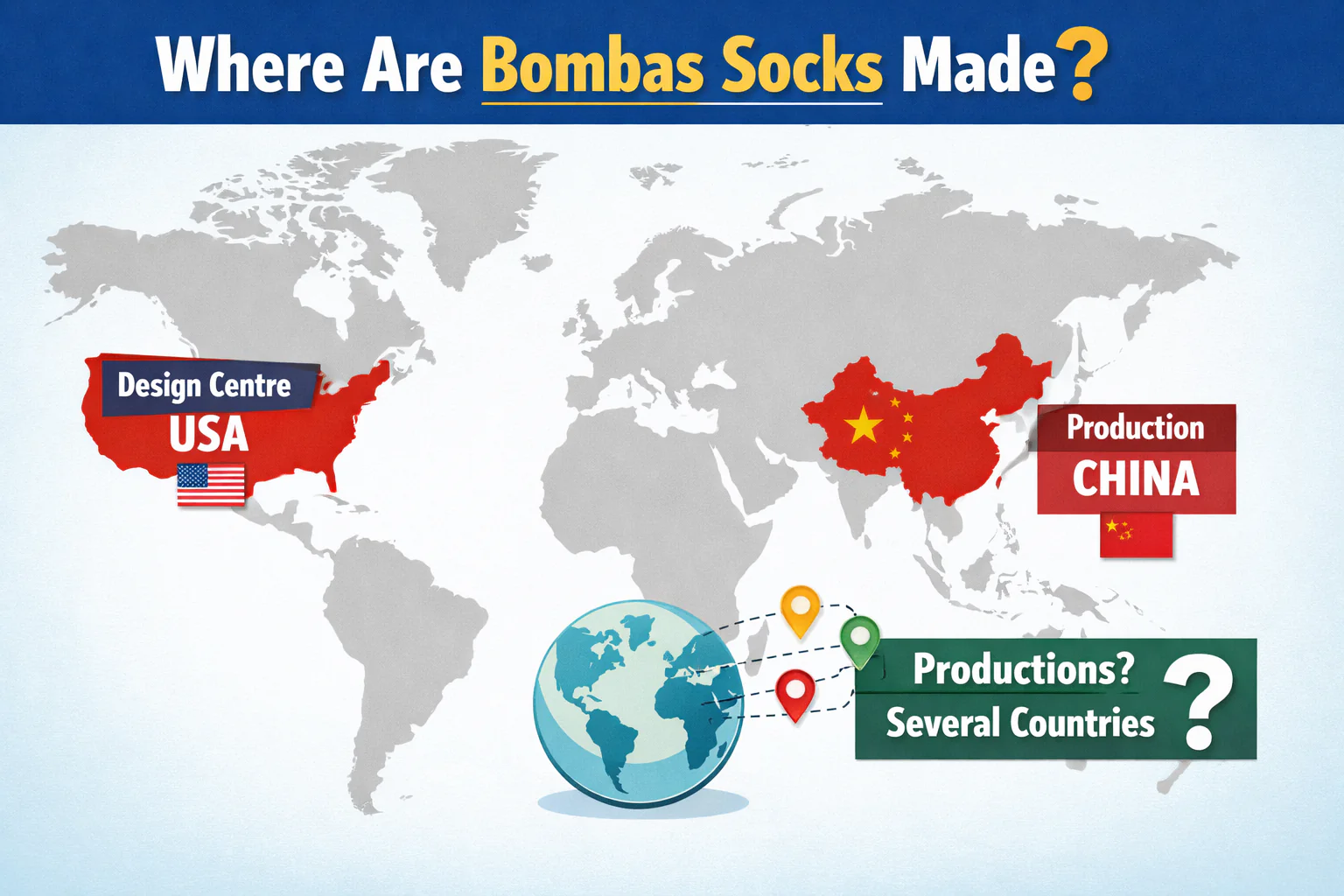
Bombas socks are manufactured in China, despite the brand’s vague official statements about “several countries.” Based on extensive product examination and industry analysis, the overwhelming evidence shows “Made in China” labels on Bombas products. This shouldn’t be surprising—China produces 60-70% of the world’s socks and offers unmatched manufacturing infrastructure. While designs originate from their New York headquarters, production is concentrated in China. From my experience in the sourcing industry, these socks are priced at $12-18 per pair, which is premium pricing, but the quality and brand values offer unique value propositions that justify the cost for many consumers.
Where Are Bombas Socks Manufactured?
The Truth About Production Location
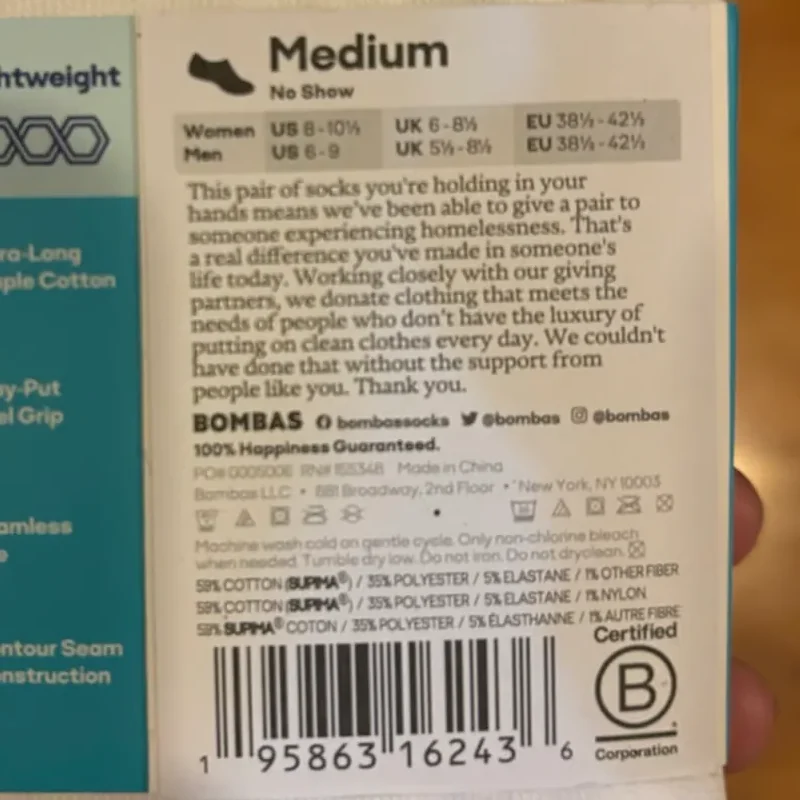
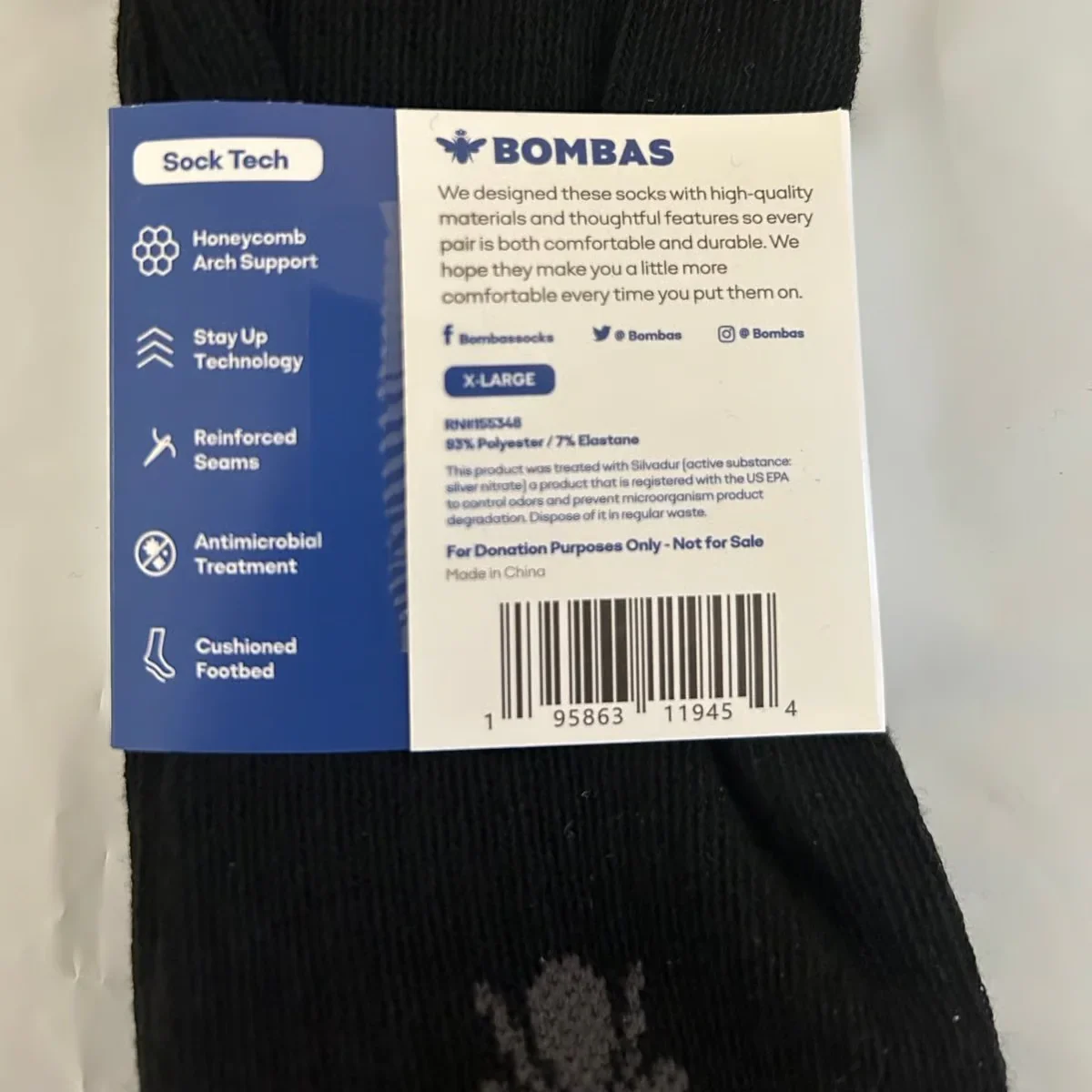
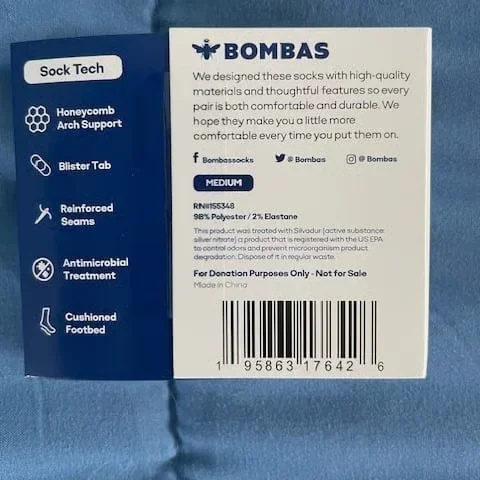
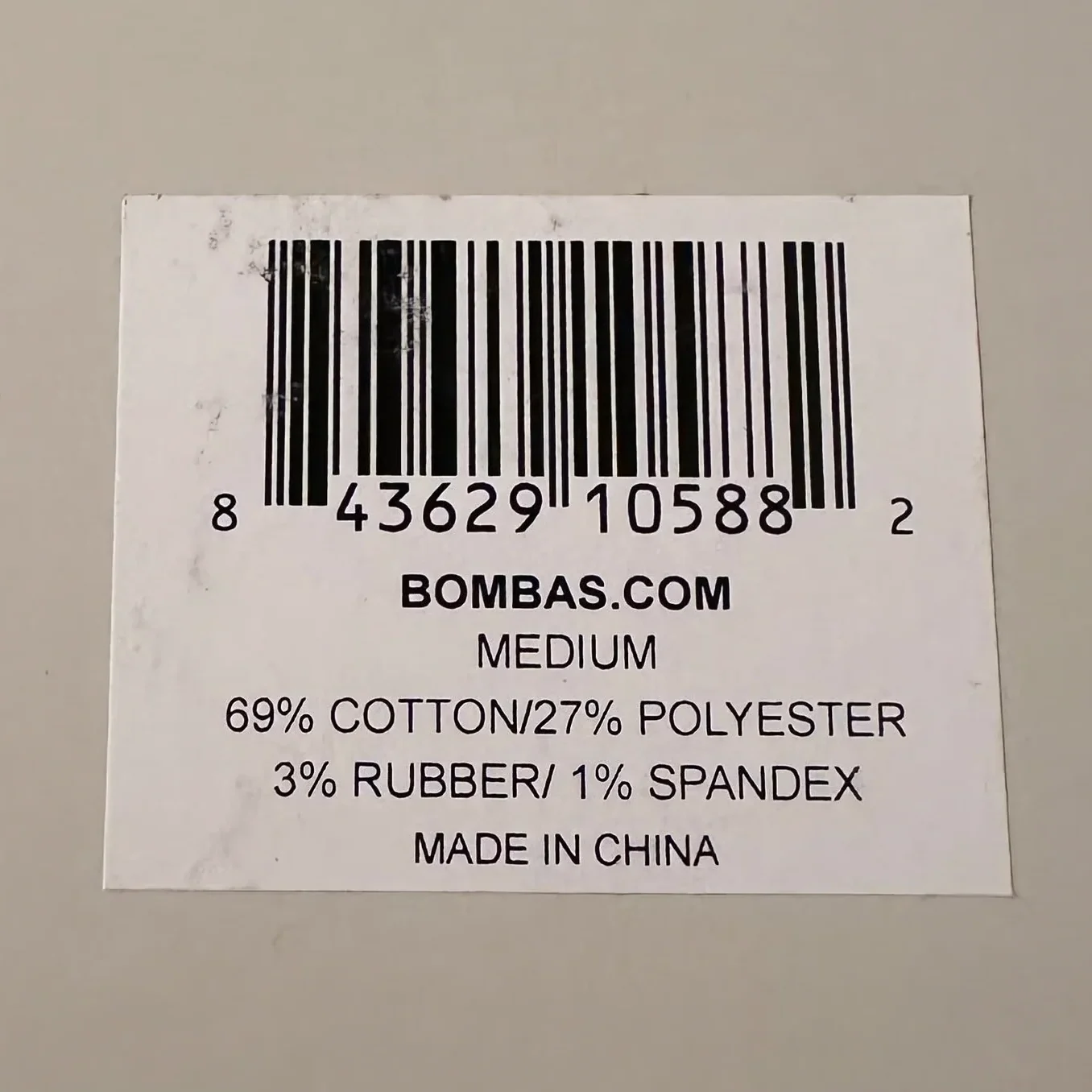
Let me address this directly: despite Bombas’ carefully worded official statement about producing in “several countries around the world,” the reality appears to be much simpler. After examining countless Bombas products through customer photos and available evidence online, every single pair I’ve found bears the “Made in China” label.
On their help page, Bombas states:
”Our products are designed at Bombas HQ in the US and produced in several countries around the world by experienced manufacturers. All of our manufacturers are required to sign and comply with our Code of Conduct, which helps to ensure, among other things, that they comply with applicable law, adhere to rigorous health, safety and environmental standards, and respect human rights, fair labor and responsible sourcing practices.”
Notice how they avoid naming specific countries? This vague language has led some websites like nichesources to speculate about production in China, Taiwan, Peru, and other locations. However, after extensively searching through product reviews, unboxing videos, and customer-shared images across the internet, I haven’t found a single verified example of Bombas socks with “Made in Taiwan” or “Made in Peru” labels.
Why the Vague Official Response?
From my experience in the sourcing industry, I understand why brands might be hesitant to say “Made in China” prominently. There’s an outdated stigma some consumers hold, despite China being home to some of the world’s most advanced manufacturing facilities.
The physical evidence strongly suggests Bombas socks are made in China. While I can’t be 100% certain without official brand disclosure—and it’s theoretically possible some specialty styles are produced elsewhere—the overwhelming pattern from real-world product evidence points to China as the primary, if not exclusive, manufacturing location.
China: The Logical and Only Choice
For a brand like Bombas—which isn’t as massive as Nike or Adidas—concentrating production in China makes perfect business sense:
Manufacturing Expertise: China doesn’t just make 60-70% of the world’s socks by accident. Decades of specialization have created unmatched expertise in sock manufacturing.
Infrastructure: The complete supply chain exists within China, from yarn spinning to finished products. There’s no need to source materials from one country, manufacture in another, and finish in a third.
Quality at Scale: Chinese manufacturers can produce high-quality socks at volumes that make sense for Bombas’ business model, while maintaining consistent standards.
Cost Efficiency: For a mid-sized brand, managing manufacturing across multiple countries would add complexity and cost without providing meaningful benefits.
China’s Dominance in Sock Manufacturing
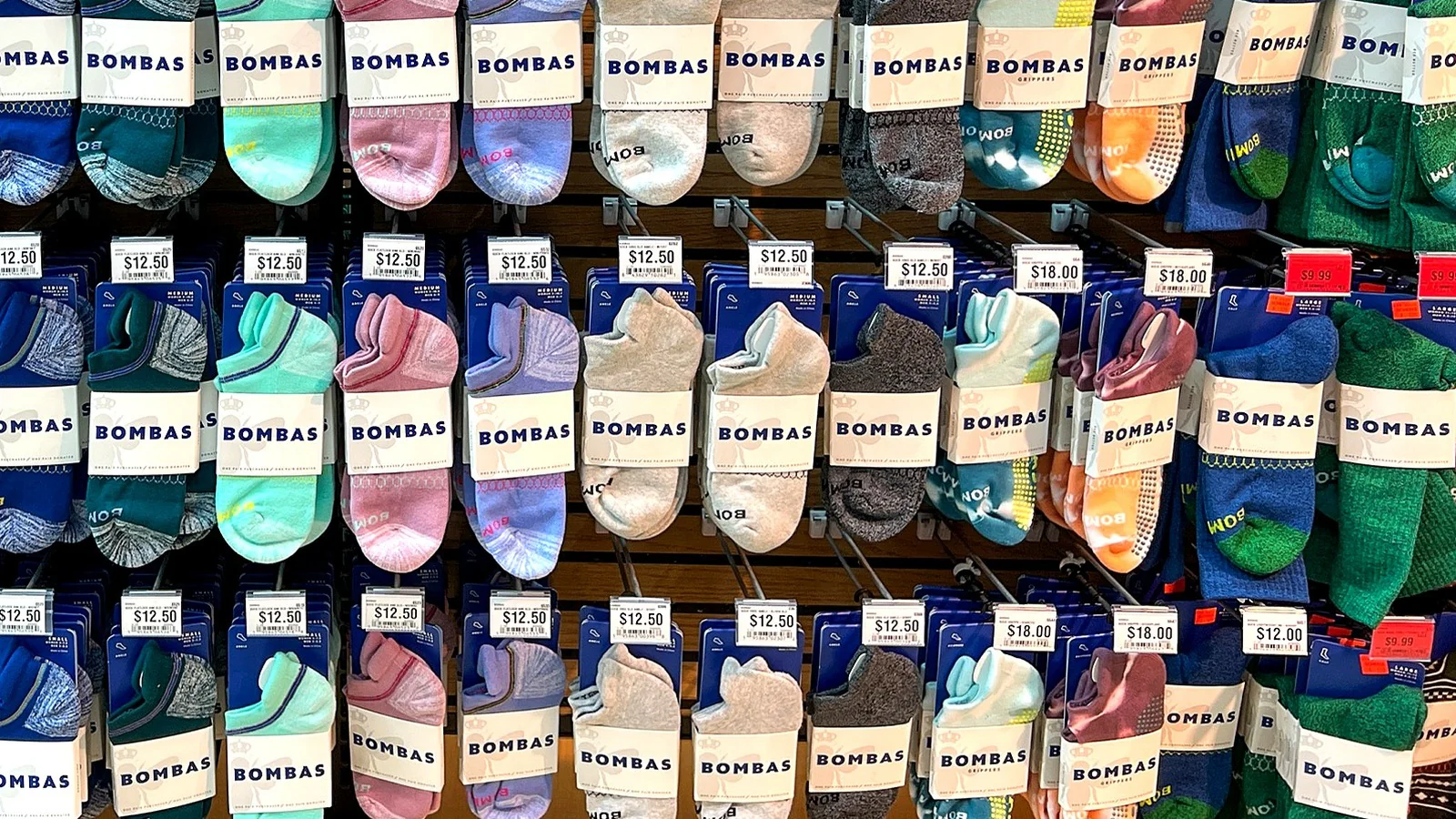
Here’s a fascinating fact that many consumers don’t realize: China produces approximately 60-70% of the world’s socks. The country’s Zhejiang Province, particularly the Datang town area, is often called the “Sock Capital of the World,” producing billions of pairs annually.
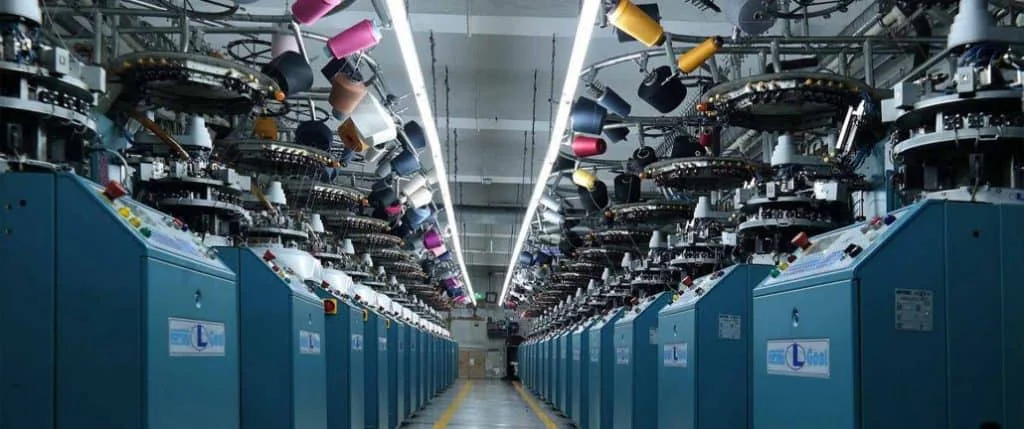
During my visits to sock factories in China, I’ve witnessed the sophisticated infrastructure that makes this possible:
- Advanced knitting machines that can produce intricate patterns
- Established supply chains for materials like cotton, merino wool, and synthetic blends
- Quality control systems that meet international standards
- Competitive pricing due to economies of scale
This explains why even premium American brands like Bombas choose to manufacture in these regions. It’s not just about cost—it’s about accessing specialized expertise and manufacturing capabilities that have been refined over decades.
Quality Control and Ethical Considerations
One question I often get asked: “Does manufacturing in China mean lower quality?” From my experience, the answer is absolutely not. Bombas maintains strict quality control standards across all their manufacturing facilities, regardless of location.
The brand has built relationships with manufacturers who can execute their specific design requirements, including their signature features like the honeycomb arch support and blister tabs. When you’re sourcing from China through platforms like iHomeChinaBuy, understanding these quality standards becomes crucial.
Are Bombas Socks Worth the Investment?
Price vs. Value Analysis
Let me be honest—at $12-18 per pair, Bombas socks aren’t cheap. I’ve personally tested dozens of sock brands over the years, and here’s my take on whether they’re worth it:
Premium Features That Stand Out:
The construction quality is genuinely impressive. Bombas uses high-quality materials including Pima cotton, merino wool, and performance fabrics, which you can feel immediately. The honeycomb support structure isn’t just marketing—it provides noticeable arch support during long wear.
From a manufacturing perspective, I can tell you that the seamless toe construction requires more sophisticated equipment and skilled operators. This detail alone adds to production costs but significantly improves comfort.
The Comfort Factor
After wearing Bombas socks personally, I noticed several things:
- The Y-stitched heel pocket prevents slipping
- Strategic cushioning in high-impact zones
- Excellent moisture-wicking in the athletic styles
- Durability that outlasts typical retail socks
The Social Mission
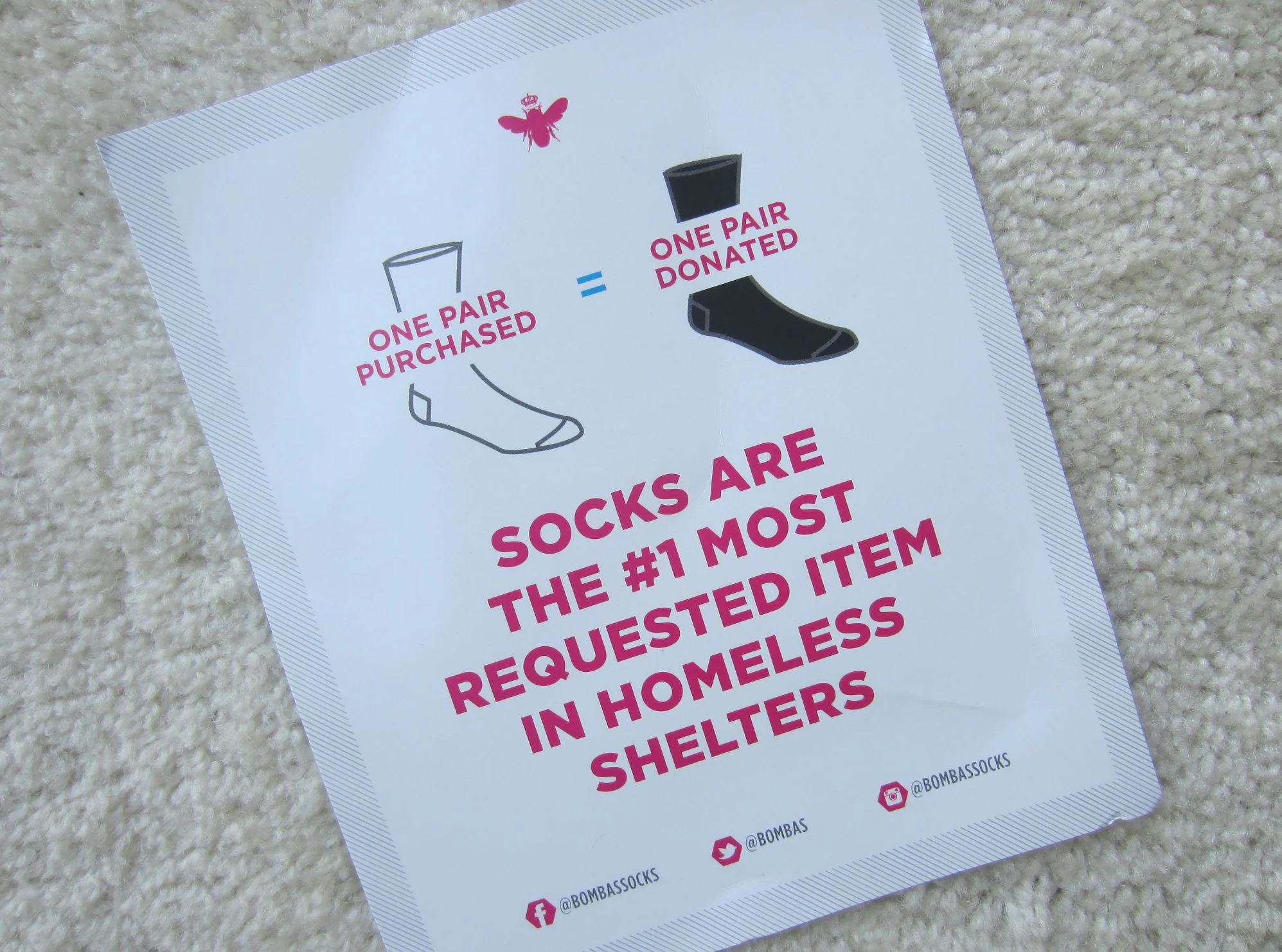
For every pair purchased, Bombas donates a pair to homeless shelters. This one-for-one model has resulted in over 100 million pairs donated. For consumers who value ethical purchasing, this adds intangible value beyond the product itself.
When Bombas Makes Sense
Based on my experience, Bombas socks are worth buying if:
- You’re on your feet all day – The arch support and cushioning provide genuine comfort for extended wear
- You have specific foot concerns – Their targeted designs for athletes, runners, or people with circulation issues offer specialized solutions
- Durability matters – While expensive upfront, they outlast cheaper alternatives, making the cost-per-wear reasonable
- You value the social mission – The donation program adds feel-good value to your purchase
When to Consider Alternatives
However, I wouldn’t recommend Bombas if:
- You’re looking for basic everyday socks and price is your primary concern
- You lose socks frequently (the investment doesn’t make sense)
- You prefer natural fibers exclusively (some styles use synthetic blends)
The China Manufacturing Advantage
Here’s an insider perspective: China’s sock manufacturing capabilities mean that companies like Bombas can access quality production at scale. For businesses and consumers interested in sourcing similar quality products, understanding China’s manufacturing ecosystem becomes invaluable.
The infrastructure in regions like Zhejiang includes:
- Specialized yarn suppliers
- Advanced dyeing facilities
- Testing laboratories for quality assurance
- Packaging and logistics networks
This integrated supply chain is what enables consistent quality at competitive prices.
How Bombas Compares to Other Sock Brands
Premium Competitors
From my testing experience, here’s how Bombas stacks up:
Bombas vs. Darn Tough: Darn Tough offers lifetime guarantees and USA manufacturing (Vermont), justifying their similar $20+ price point. However, Bombas often wins on style variety and the social mission appeals to different consumers.
Bombas vs. Smartwool: Both use merino wool effectively, but Smartwool focuses more on outdoor/hiking markets while Bombas targets everyday comfort.
Bombas vs. Generic Brands: The quality gap is noticeable. Generic socks typically use lower-grade cotton and simpler construction, resulting in faster wear and less comfort.
The Value Proposition
What surprised me most about Bombas isn’t just the product quality—it’s the consistency. I’ve purchased multiple pairs over two years, and the quality remains uniform across different styles and production runs. This consistency is a hallmark of well-managed overseas manufacturing.
Understanding the Global Sock Supply Chain
Why China Dominates
Having worked with Chinese suppliers for years, I can explain why the country maintains such dominance in sock production:
Historical Expertise: China has been producing textiles for centuries, and this knowledge has been industrialized effectively.
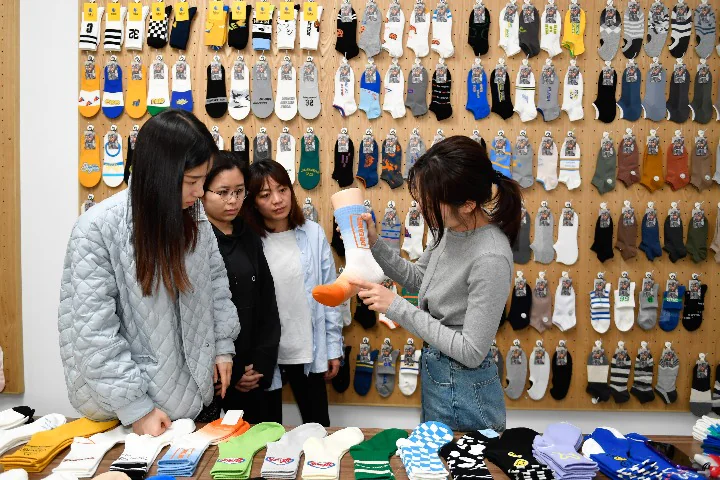
Scale: According to industry data, China exports billions of pairs of socks annually, with production concentrated in specialized manufacturing clusters.
Technology Investment: Chinese sock factories have invested heavily in automated knitting machines, particularly from European manufacturers like Lonati and Korean brands like Sangji.
Complete Supply Chain: From raw cotton processing to finished products, everything exists within the country, reducing lead times and costs.
What This Means for Consumers
For those using sourcing platforms like iHomeChinaBuy, understanding this infrastructure helps you:
- Identify quality manufacturers
- Negotiate better pricing
- Understand production timelines
- Ensure quality standards
The same factories producing for Bombas may also work with other brands or handle custom orders, making quality sock manufacturing accessible to smaller businesses.
My Personal Recommendation
After analyzing Bombas from both a consumer and industry perspective, here’s my honest assessment:
Worth Buying For:
- Athletic socks with performance features
- Merino wool styles for cold weather
- Dress socks that need to last
- Gifts (the packaging is premium)
Skip If:
- You need basic cotton socks for everyday wear
- Price sensitivity is high
- You have access to similar quality at lower prices through direct sourcing
The “Made in China” label on Bombas shouldn’t be a deterrent—it’s actually a sign that they’re using established, capable manufacturers. The key is that Bombas maintains control over design and quality standards.
FAQ
Where exactly are Bombas socks made?
Based on extensive research of customer photos, product reviews, and unboxing videos, Bombas socks appear to be made in China. While some websites claim production occurs in China, Taiwan, and Peru, I haven’t been able to find verified evidence of non-China manufacturing. The brand’s official statement mentions “several countries” without specifics, so I can only report what the actual product labels show—and consistently, they say “Made in China.” The manufacturing is concentrated in China’s specialized textile regions, particularly Zhejiang Province.
Are Bombas socks made in the USA?
No, Bombas socks are not made in the USA. Despite being an American brand with design headquarters in New York, all available evidence points to manufacturing in China. This allows them to access specialized sock-making expertise and infrastructure that doesn’t exist at the same scale in the United States.
Why does Bombas avoid saying their socks are made in China?
While Bombas doesn’t explicitly hide the “Made in China” labels on their products, their official communications use vague language like “several countries around the world.” This likely reflects marketing concerns about consumer perceptions. However, from a manufacturing perspective, producing in China is a smart choice that enables their quality standards and business model. Without official disclosure from the brand, we can only go by what customers photograph on their actual products.
Why are Bombas socks so expensive?
Bombas socks are expensive due to several factors: premium materials (Pima cotton, merino wool), advanced manufacturing techniques (seamless toe, honeycomb support), their one-for-one donation model, and extensive research and development. From my manufacturing experience, the construction quality requires more sophisticated equipment and skilled labor than standard socks.
Do Bombas socks really last longer?
Yes, from personal testing and industry analysis, Bombas socks do last significantly longer than typical retail socks. The reinforced heel and toe areas, quality materials, and superior construction mean they typically last 1-2 years of regular wear versus 6-12 months for standard socks. The cost-per-wear often becomes comparable to cheaper alternatives.
Are Bombas socks worth it for everyday wear?
For everyday wear, Bombas can be worth it if comfort and durability are priorities. However, if you need basic socks and price is your main concern, there are more economical options. I recommend Bombas for specific use cases: athletic activities, all-day wear on your feet, or situations where quality really matters.
Can I buy Bombas-quality socks directly from China?
Technically yes, through B2B platforms or sourcing services like iHomeChinaBuy. However, you’ll need to specify quality standards, materials, and construction details. The challenge is finding manufacturers who meet Bombas-level quality standards and maintaining quality control across orders.
What makes Bombas different from cheap socks?
The difference lies in materials, construction, and design. Bombas uses higher-grade cotton and wool, employs advanced knitting techniques for features like arch support and seamless toes, and incorporates targeted cushioning. Cheap socks typically use basic materials and simple construction that wears out faster and provides less comfort.
Is “Made in China” a bad sign for sock quality?
Not at all. China produces 60-70% of global socks and hosts some of the world’s most advanced textile manufacturing facilities. Quality depends on the brand’s standards and oversight, not the manufacturing location. Many premium brands manufacture in China because of the specialized expertise available there.
How does Bombas’ donation program work?
For every pair of socks you purchase, Bombas donates a specially designed pair to homeless shelters and community organizations. They’ve donated over 100 million items since founding. The donated socks are engineered specifically for homeless individuals’ needs, with antimicrobial properties and darker colors.
Final Thoughts: Making Your Decision
Having spent years in the sourcing industry and tested countless sock brands, I believe Bombas represents a sweet spot in the market: premium quality without venturing into luxury pricing territory.
The “Made in China” aspect shouldn’t concern you—in fact, it’s a strategic choice that allows Bombas to leverage decades of specialized manufacturing expertise. What matters is that Bombas maintains rigorous quality standards and ethical manufacturing practices.
My Bottom Line: If you can afford the $12-18 per pair price point and value comfort, durability, and supporting a brand with a social mission, Bombas is worth buying. They’re especially worthwhile for athletic use, all-day wear, or as gifts.
However, if you’re looking for basic everyday socks or need to outfit your entire sock drawer on a budget, exploring direct sourcing options through platforms like iHomeChinaBuy might give you similar quality at better prices, especially for bulk purchases.
The key is understanding what you’re paying for: it’s not just socks, but the research, design, quality control, and social impact that Bombas has built into their brand.

Kelsey Sun is a China procurement expert with over 8 years of experience in cross-border sourcing and supply chain management. As a Senior Sourcing Specialist at iHomeChina, she has successfully connected hundreds of international businesses with vetted Chinese manufacturers. Kelsey specializes in supplier verification, quality control, and multi-factory consolidation strategies, with deep expertise in both major B2B platforms like Alibaba and China’s network of high-quality manufacturers who lack international visibility.