







Finding the right wholesale drinkware manufacturer is critical for any business looking to scale in the drinkware market. Whether you’re launching a private label, running an e-commerce store, or supplying retailers, choosing the wrong factory can lead to product delays, poor quality, and unnecessary costs. That’s why doing your homework before placing your first order is essential.
In today’s competitive landscape, quality, customization, and supplier reliability are just as important as price. From checking materials and certifications to understanding MOQs and factory capabilities, knowing what to look for can help you build a stable and profitable wholesale drinkware supply chain. This guide covers five key checks every buyer should make before working with a new manufacturer.
1. Know Your Wholesale Drinkware Requirements
1.1 Define Your Drinkware Product Range
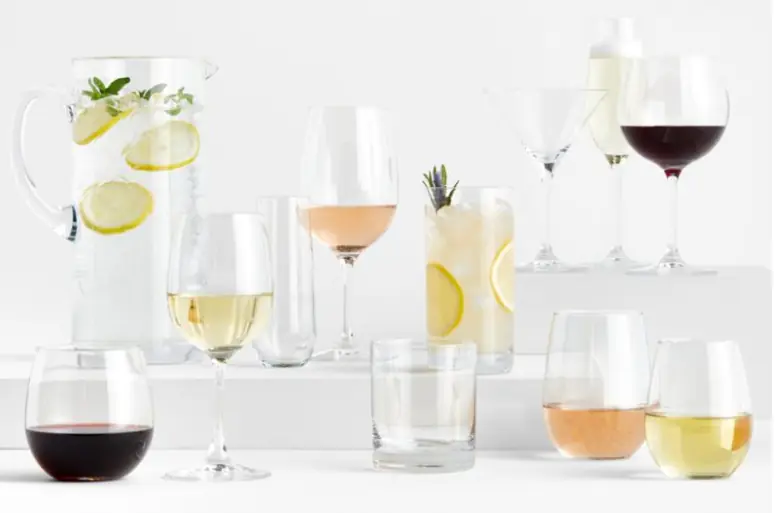
Start by listing exactly what type of wholesale drinkware you plan to offer. Common items include glass tumblers, stainless steel bottles, ceramic mugs, and reusable plastic cups.
Identify special categories if needed: insulated bottles, color-changing glasses, or novelty cup designs. Clarifying your product range early helps you communicate clearly with suppliers. When drafting your product list, note size, capacity, material, lid type, and intended use. Will the drinkware be for daily home use, outdoor use, or retail gift sets? This information helps suppliers understand your vision and prepare accurate samples and pricing.
1.2 Clarify Material and Safety Standards
Drinkware can be made from stainless steel, glass, ceramic, silicone, or food-grade plastic. Each material comes with different safety requirements. For example, stainless steel needs to be 18/8 grade or higher. Glass should be heat-resistant. Plastic items must be BPA-free.
Different markets have specific certifications. In the US, FDA approval is essential. In Europe, you need LFGB certification. Some markets require ISO 22000 for food safety.
Check whether your supplier can provide test reports. SGS, BSCI, and other inspection certificates prove that their wholesale drinkware meets safety standards. If your bottles will carry hot beverages, thermal shock testing is also a must. A factory that understands these needs is worth working with long-term.
2. Verify Wholesale Drinkware Manufacturer Credentials
2.1 Check Business License and Factory Audits
Ask suppliers for a copy of their business license. Confirm they are registered to manufacture drinkware. Some companies may be trading firms. They may not own factories. Request factory audit reports. Third-party audits like “Sedex” or “BSCI” verify ethical practices, working conditions, and production quality.
If possible, visit the factory in person or hire a local agent. A factory audit lets you see production lines, raw material storage, and cleanliness. Ensure that your wholesale drinkware will be made in a well-organized environment that meets health and safety standards.
2.2 Review Export History and Core Markets
A manufacturer with experience exporting drinkware knows packaging requirements. They know how to handle customs clearance and logistics challenges. Ask which countries they ship to regularly. If they already export to your market, they understand local labeling, tax duties, and delivery timelines. This kind of experience can prevent costly mistakes.
Request references or testimonials from existing buyers. Reviews help confirm their reliability. A proven track record reduces risk and saves time during communications.
3. Evaluate Drinkware Quality and Samples
3.1 Inspect Drinkware Samples for Durability
Never skip sample testing. Ask for 2–3 units from each potential supplier. Test each sample thoroughly. For glassware, check for chips, cracks, and clarity. For stainless steel, test lid seals and ease of cleaning. For plastic cups, test heat resistance and food safety. Make your own quality checklist. Check coating adhesion, weight consistency, and thermal capacity.
Check packaging quality as well. Drinkware must be packed securely to avoid damage in transit. These small details matter for resale and branding.

3.2 Request Certification for Drinkware Safety
When sourcing wholesale drinkware, safety compliance should never be overlooked. Since these products come into direct contact with liquids and food, they must meet strict health and safety standards. Before placing a bulk order, ask the manufacturer to provide relevant certifications for each material used. For plastic drinkware, ensure it is BPA-free and certified for food contact. For stainless steel bottles, look for documents like FDA, LFGB, or SGS test reports. These prove the product has passed tests for heavy metal content, chemical resistance, and hygiene safety.
If your target market is in Europe, LFGB certification is often required. For the U.S., FDA approval is a must. You can also request ISO 9001 quality management certificates or BSCI audit reports to ensure the factory meets global compliance standards. Always double-check the certificate’s issue date and testing organization to verify authenticity. A reliable wholesale drinkware supplier should be transparent and willing to share these files. If they hesitate or delay, consider it a red flag. Trustworthy manufacturers will often include updated compliance information in their product catalogs or offer real-time access to test reports.
4. Understand Pricing and MOQ Terms in Wholesale Drinkware
4.1 Compare Pricing Among Drinkware Suppliers
Gather quotes from several suppliers. Each quote should clearly state unit price, packaging cost, shipping cost, and lead time.
Avoid vague pricing. A walk-through quote form helps you compare apples to apples. Don’t just look at the lowest price. A lower price could mean missing safety tests or flimsy materials.
Ask for tiered pricing based on order volume. This lets you plan for future growth. Many factories offer better rates once you increase your order size.
4.2 Confirm Minimum Order Quantities and Discounts
Before committing to a wholesale drinkware manufacturer, always clarify the minimum order quantities (MOQs). Some factories require 500 or even 1,000 units per SKU, especially for custom designs. Others may accept smaller batches, particularly if you’re ordering standard models. If your business is just starting or you’re testing a new market, flexible MOQs can help you avoid overstocking and reduce initial investment.
You should also ask about bulk discounts. Many suppliers offer tiered pricing based on quantity. For example, ordering 1,000 units instead of 500 might bring the unit price down by 10–15%. Ask for a full price breakdown that includes product cost, logo printing (if needed), packaging, and shipping estimates. In some cases, suppliers may provide promotional discounts for first-time buyers or long-term clients. A transparent pricing model helps you calculate true landed costs and set competitive retail prices while maintaining healthy margins.
5. Review Customization and OEM/ODM Capabilities
5.1 Ask About Custom Logos and Packaging
If you’re building a brand, custom logos and packaging are a must when choosing a wholesale drinkware manufacturer. Branded drinkware—whether water bottles, tumblers, or mugs—not only increases perceived value but also helps your products stand out in a crowded market.
Start by asking if the manufacturer offers logo printing services such as screen printing, laser engraving, or heat transfer. Each method has different effects, costs, and durability levels. It’s also important to confirm the minimum order quantity (MOQ) required for customization. Some suppliers may offer logo printing starting at just a few hundred units, while others need larger volumes.
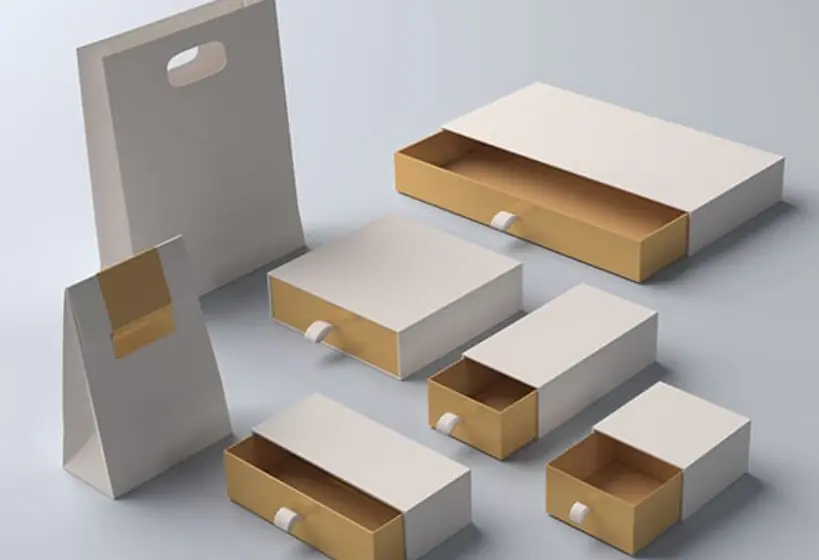
Don’t overlook packaging. High-quality retail boxes, eco-friendly wraps, or customized gift packaging can enhance the customer experience and justify higher retail prices. Ask whether the supplier supports custom inserts, label design, or barcode application.
5.2 Check OEM/ODM Experience in Drinkware Manufacturing
Before placing a large order with a wholesale drinkware manufacturer, you need to clearly understand their production timeline and capacity. Delayed shipments can disrupt your entire sales schedule, especially if you’re preparing for peak seasons or major campaigns.
Start by asking how long it takes to complete an order of your required size. For standard drinkware models, lead times may range from 15 to 30 days. If you need custom logos, colors, or packaging, expect additional production time. It’s a good idea to get these details in writing when requesting a quote or confirming your purchase order. Also, inquire about the factory’s monthly production capacity. A small workshop may struggle to fulfill bulk orders during busy periods, while a larger factory can scale up with ease. If you plan to reorder frequently or expand your product line, the ability to grow with a reliable wholesale drinkware supplier is essential.
Some manufacturers overpromise and underdeliver. To avoid this risk, ask for records of past large orders or client references. A transparent supplier will be willing to prove their ability to meet deadlines without compromising on quality.
6. Bonus Tip: Work With a Trusted Wholesale Drinkware Sourcing Agent
6.1 Agents Help Verify Manufacturers
If you’re sourcing from another country, a sourcing agent can be a game-changer.
Agents can visit multiple factories. They verify if production claims match reality. For example, a Chinese factory claiming to make stainless steel may actually use plating. Local agents ask the right questions, find weaknesses, and shortlist factories that meet your wholesale drinkware standards.
A good sourcing agent can help you confirm whether a manufacturer is legitimate and reliable. Not every drinkware supplier you find online is a true factory. Some are middlemen or trading companies with little control over quality. An experienced agent knows how to conduct background checks, review business licenses, and even visit the factory in person. They can assess the factory’s production capabilities, hygiene standards, and equipment. This is especially important for drinkware products since safety and consistency are key. Whether you’re sourcing stainless steel bottles or plastic tumblers, an agent can make sure the supplier meets your specific requirements.
6.2 Agents Assist with Orders and Logistics
Sourcing agents do more than find factories—they also help you manage the entire order process. From sample collection and product inspection to packaging review and shipment coordination, they handle the daily tasks that can overwhelm importers.
For wholesale drinkware, logistics can be complex. Different items have different shapes, weights, and packaging needs. An agent can consolidate your orders, combine shipments from multiple suppliers, and prepare documentation for customs. They also act as your communication bridge, ensuring that product details are not lost due to language or cultural differences.
Conclusion
Choosing the right wholesale drinkware manufacturer is not just about finding the lowest price. It’s about building a reliable supply chain that delivers consistent quality, meets your market needs, and supports your long-term growth. By checking product standards, factory background, customization options, and supplier communication, you reduce risks and gain more control over your brand’s success.
If you’re looking for a trusted partner to simplify your sourcing process, iHome is here to help. We work closely with verified factories, offer full support for OEM/ODM drinkware production, and ensure quality through every step—from sampling to shipping. Contact iHome today to start building a smarter, safer wholesale drinkware supply chain.

Berry Bian is the blog editor at iHome, focusing on global sourcing, wholesale trends, and practical tips for international buyers. With experience in digital marketing and cross-border trade, Berry shares insights that help small and medium businesses source products more efficiently and avoid common pitfalls. Passionate about connecting buyers with reliable suppliers, Berry writes with a clear and friendly style to make complex topics easier to understand.