







In 2025, global buyers are increasingly turning to China when sourcing from a furniture factory. With advanced manufacturing, competitive pricing, and unmatched product diversity, Chinese furniture factories are setting new standards in the global furniture supply chain. Whether you’re a retailer, wholesaler, or project developer, understanding why this shift is happening can help you make smarter sourcing decisions. Let’s explore the key reasons behind this growing preference and how your business can benefit.
1. The Rise of China’s Furniture Manufacturing Industry
Over the past two decades, China has become the world’s leading furniture factory hub. According to Statista, China accounted for over 39% of global furniture exports in 2023, outpacing all other countries. This growth is driven by a unique combination of advanced infrastructure, competitive labor costs, and access to raw materials.
Unlike smaller markets, China’s furniture manufacturers have the capacity to handle massive wholesale orders with speed and consistency. From wholesale kitchen furniture to outdoor furniture wholesale, Chinese suppliers offer a diverse range of products to meet every buyer’s need.
With more wholesale furniture suppliers investing in automation and smart manufacturing, the gap between affordability and quality is narrowing fast. This shift has made sourcing from a furniture factory in China not only practical but highly strategic for global buyers.
2. China Furniture Factory: Strong Manufacturing Capabilities
2.1 Large-Scale Production by Top Furniture Manufacturers
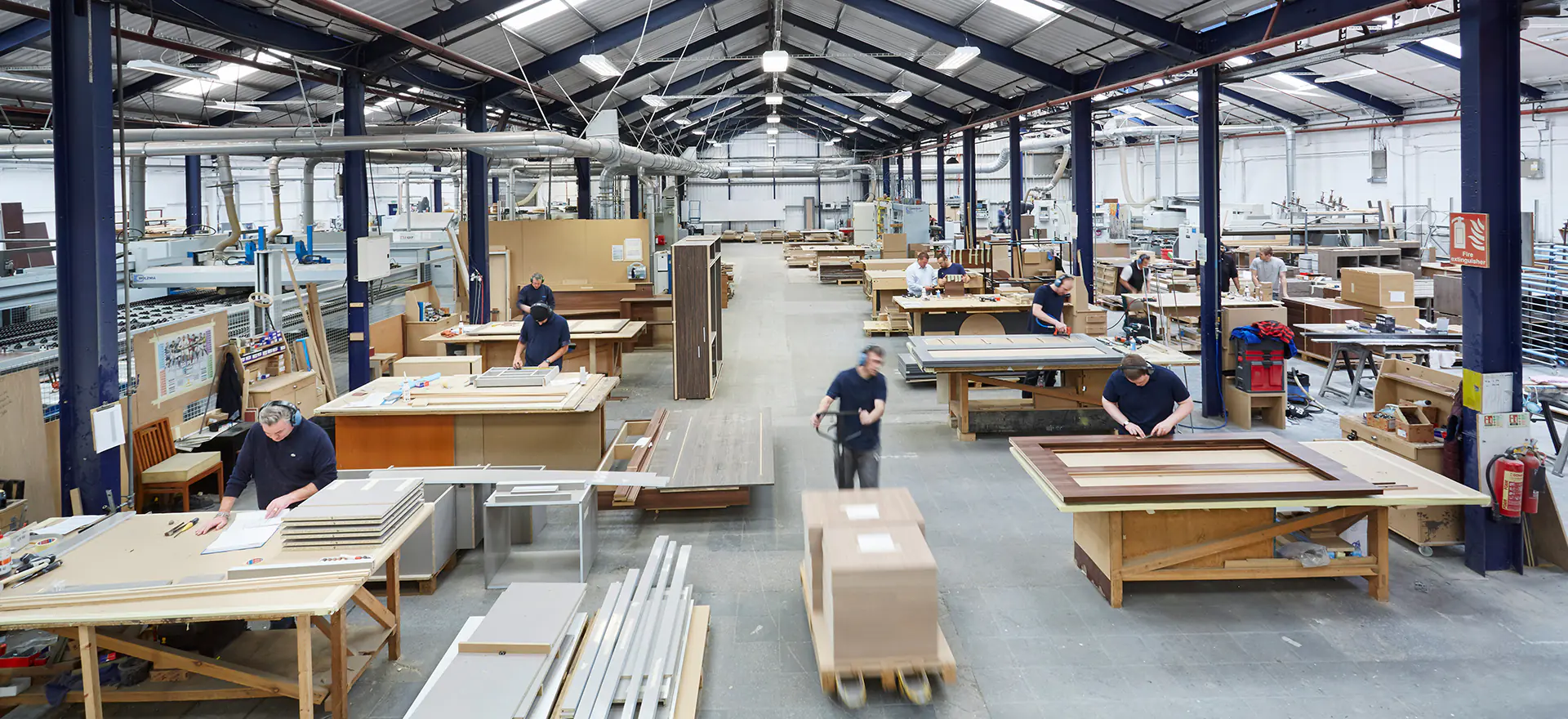
One of the most significant advantages of working with a furniture factory in China is production scale. Many Chinese furniture manufacturers operate facilities spanning tens of thousands of square meters, with fully automated lines and modern machinery.
These factories are built to support bulk orders without compromising lead time or product quality. Whether you’re sourcing custom furniture or standardized pieces, high-volume production is a major benefit. Some factories can produce over 100 containers per month, supplying major retailers and wholesalers around the globe.
Such efficiency makes it easier for furniture wholesalers to restock inventory quickly and consistently. It’s one of the reasons why many international businesses are shifting their supply chain to China in 2025.
2.2 Industrial Clusters: The Power of Furniture Factories in Foshan and Hebei
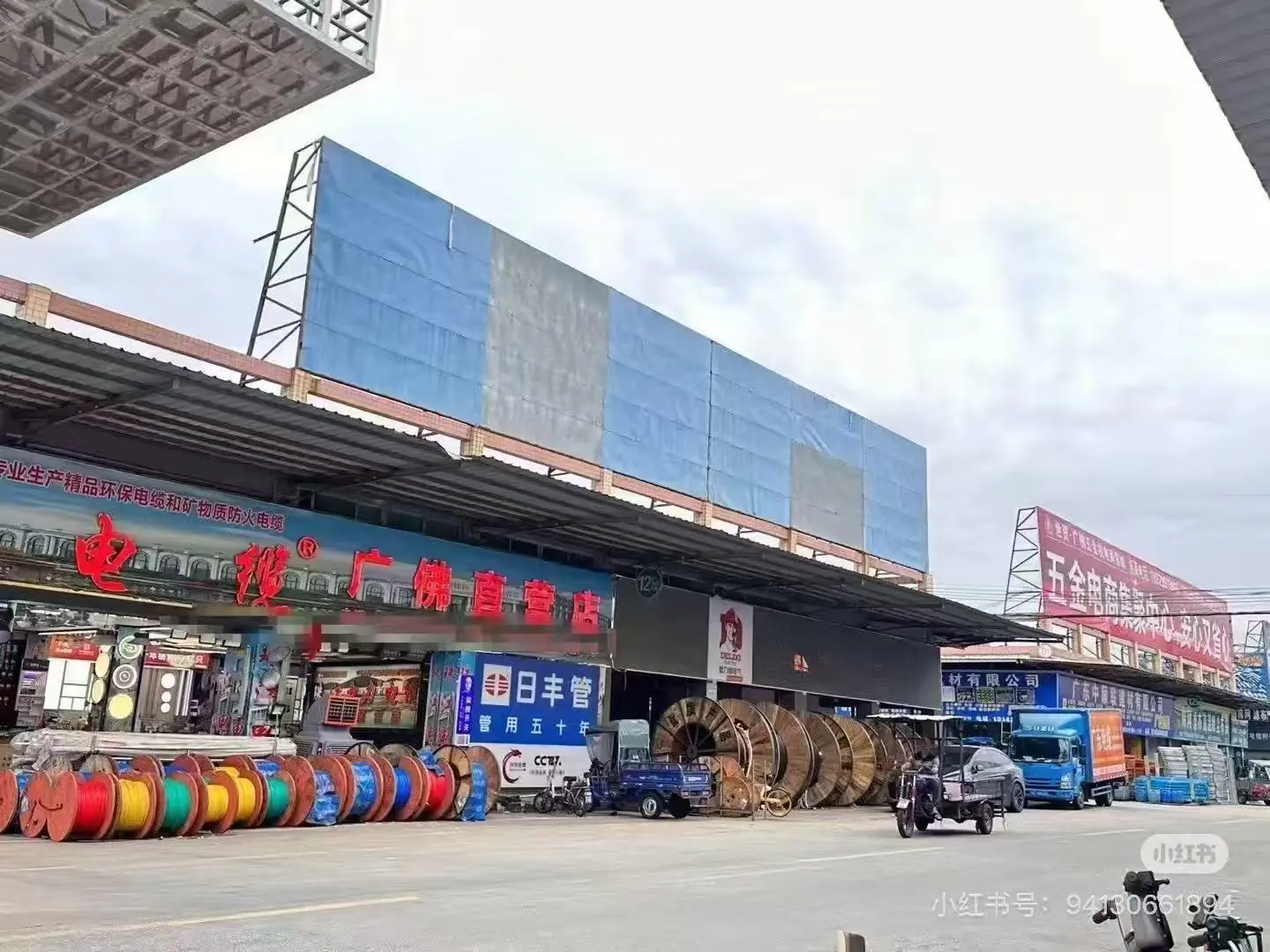
Foshan, located in Guangdong Province, is often referred to as the “Furniture Capital of China.” This region, along with Hebei and Zhejiang, is home to thousands of furniture factories, forming industrial clusters that support every aspect of production—from sourcing raw wood to final packaging.
These clusters create strong ecosystems. For example, in Foshan’s Shunde District alone, over 6,000 furniture-related enterprises operate within a 50-kilometer radius. This proximity enhances efficiency, reduces logistics costs, and promotes innovation among suppliers.
As a result, buyers benefit from better prices and faster turnaround times. If you’re looking for reliable wholesale furniture, these clusters are the best starting point.
2.3 Meeting Global Demand for Wholesale Furniture
China’s furniture factory sector is built to meet global needs. In 2024 alone, China exported furniture to more than 180 countries, with key markets including the United States, Europe, Southeast Asia, and the Middle East.
From wholesale office furniture to outdoor furniture wholesale, Chinese factories offer comprehensive solutions for various sectors. Customization is also a strength—whether it’s materials, dimensions, or finishes, many factories offer custom furniture services to match regional tastes and standards.
More importantly, Chinese wholesale furniture suppliers are improving their B2B service models. Many now offer online catalogs, sample orders, flexible MOQs, and multilingual support. This makes the buying experience smoother and more transparent for international partners.

3. Competitive Pricing from Furniture Wholesalers
3.1 Lower Costs with High-Quality Output
One of the top reasons buyers prefer a furniture factory in China is cost efficiency. These factories are optimized for high-volume production, which helps reduce per-unit costs without sacrificing quality. Labor, raw materials, and automation are all managed at scale.
Despite competitive pricing, many furniture factories adhere to international quality standards. Buyers sourcing wholesale kitchen furniture or luxury indoor pieces often report strong margins while maintaining product excellence.
This cost-quality balance allows businesses to stay profitable while offering attractive price points to their own customers. In 2025, affordability is no longer tied to compromise—it’s driven by smart manufacturing.
3.2 Comparing Prices Among Wholesale Furniture Suppliers

In today’s digital era, it’s easier than ever to compare prices across wholesale furniture suppliers. Leading platforms like Alibaba and Made-in-China offer real-time quotations and supplier profiles. However, not all prices reflect real value.
Working directly with a furniture factory gives buyers greater transparency. It eliminates middlemen and gives direct access to pricing on materials, finishes, and logistics. This is especially beneficial when sourcing custom furniture or large-volume items like wholesale office furniture.
Some suppliers also provide tiered pricing models, helping buyers scale with their budget. A smart sourcing strategy involves more than picking the lowest quote—it means understanding what’s included, from packaging to after-sales support.
4. Diverse Products and Custom Furniture Services
4.1 Wide Product Range: From Indoor to Outdoor Furniture Wholesale
Chinese furniture factories offer unmatched variety. From minimalist indoor sets to weather-resistant outdoor furniture wholesale, the selection continues to grow each year. This versatility helps meet the needs of retailers, hotel chains, and commercial buyers worldwide.
Most furniture manufacturers now produce both classic and trending styles. Want Scandinavian wood finishes or modern industrial pieces? It’s all available under one roof. A single furniture factory can often supply hundreds of SKUs across multiple categories.
This diversity not only supports seasonal buying but also allows brands to test new collections with low risk. For B2B buyers, having everything in one place saves time and reduces sourcing costs.
4.2 Tailoring Styles for Regional Markets
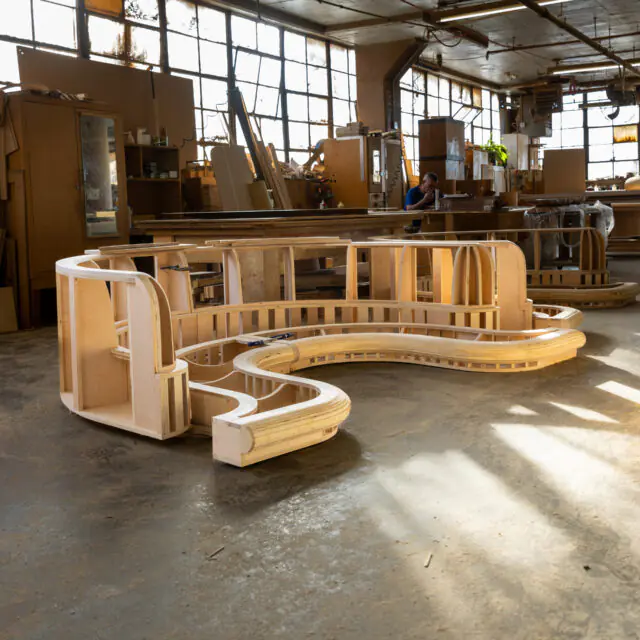
Customization is no longer a premium—it’s a standard service. A modern furniture factory in China can adapt colors, materials, dimensions, and finishes to meet regional design preferences. This is crucial for businesses targeting niche or luxury markets.
Whether it’s minimalist white desks for Europe or rich wood tones for the Middle East, custom furniture production has become more streamlined and affordable. It also helps brands stay relevant in competitive markets.
Chinese furniture wholesalers increasingly offer 3D renderings and prototype samples to support the customization process. This ensures faster approval and smoother production cycles.
By working with an experienced furniture factory, buyers can confidently scale product lines tailored for any geography or trend.
5. Quality Control & Certifications in Furniture Manufacturing
5.1 How China Furniture Factories Ensure Product Quality
A reliable furniture factory prioritizes quality at every production stage. From raw material inspection to final assembly, most Chinese furniture factories implement strict internal QA protocols. Quality control teams are often assigned to monitor tolerance levels, durability, and finishing.
To meet the demands of wholesale furniture buyers, many factories adopt lean manufacturing systems and continuous improvement strategies. These ensure consistency, even in large orders. Especially for bulk custom furniture or tailored B2B projects, stable quality is a top concern.
Modern furniture manufacturers now use digital systems for tracking defects and maintaining quality logs—ensuring transparency throughout the process.
5.2 Common Certifications: ISO, FSC, and BSCI Explained
Certifications help global buyers evaluate a furniture factory before placing an order. The most common is ISO 9001, which confirms that a supplier has a solid quality management system in place. It ensures that processes are standardized and continually optimized.
Another key certification is FSC (Forest Stewardship Council), essential for buyers who value eco-friendly sourcing. This is especially relevant for outdoor furniture wholesale made with wood or bamboo.
BSCI (Business Social Compliance Initiative) certification is also gaining traction. It verifies ethical labor and safe working conditions, making the furniture factory more attractive to Western retailers and corporate buyers.
5.3 Packaging, Inspection, and Delivery Standards
In international trade, quality doesn’t stop at the product—it includes how it’s packed and shipped. A professional furniture factory will follow standardized procedures for packaging, carton testing, and container loading to prevent damage in transit.
Pre-shipment inspections are typically performed, either by in-house QA teams or third-party agents. This step includes checking quantity, dimensions, labeling, and appearance. It’s especially important for high-volume wholesale office furniture and showroom orders.
Reliable wholesale furniture suppliers also follow Incoterms closely, offer insurance options, and provide timely shipping updates. These practices are key to building long-term trust with global buyers.
6. Sustainability and Green Practices
6.1 Eco-Friendly Materials and Production in Furniture Factories
Sustainability is no longer a trend—it’s a priority. Many leading furniture factories in China now use eco-friendly materials, such as recycled wood, low-VOC adhesives, and water-based finishes. These changes not only protect the environment but also improve indoor air quality for end-users.
Smart waste management and energy-saving systems are also common in modern furniture manufacturing zones. Some factories even install solar panels or use biomass fuels to reduce emissions.
By choosing a furniture factory with green operations, buyers can align with global ESG goals while enhancing their brand image.

6.2 Why Wholesale Kitchen Furniture Buyers Care About Sustainability
The kitchen is often seen as the heart of the home—buyers want it healthy, functional, and responsible. That’s why more wholesale kitchen furniture clients are demanding eco-certified materials and traceable sourcing. Sustainability influences purchasing decisions, especially in markets like Europe and North America.
A furniture factory that can provide verified environmental data or green labels gains a competitive edge. It also helps retailers meet local regulatory requirements related to sustainability, safety, and labeling.
This is particularly true for brands that cater to environmentally conscious consumers. With the right sourcing partner, they can confidently promote green values without compromising profit margins.
6.3 Certifications for Environmentally Responsible Production
Chinese furniture manufacturers are increasingly investing in green certifications. In addition to FSC, many apply for ISO 14001 (environmental management) and CARB Phase 2 (formaldehyde emissions control). These prove that the furniture factory is actively minimizing its environmental footprint.
For buyers in sectors like custom furniture or furniture wholesaler distribution, these certifications can be a powerful selling point. Some governments and retail chains even require them as part of their sourcing policy.
As sustainability continues to influence purchasing, working with environmentally certified furniture factories will be a key advantage in 2025 and beyond.
7. Better Communication and Customer Experience
7.1 Multilingual Support and Trade Expertise from Furniture Factories
One of the key reasons why buyers choose a furniture factory in China is the ease of communication. Many factories now offer multilingual support, including English, Spanish, French, and Arabic,etc. This reduces misunderstandings and builds smoother cooperation throughout the process.
Experienced sales teams in Chinese furniture factories are trained in international trade practices. They understand Incoterms, shipping procedures, and compliance standards. Whether you’re sourcing custom furniture or placing a bulk order of wholesale office furniture, communication remains clear and professional.
A responsive team means quicker quotes, faster samples, and fewer errors—exactly what global B2B buyers need.

7.2 Online Showroom Access and Virtual Factory Tours
To save time and reduce travel costs, many modern furniture factories have launched digital showrooms. These platforms showcase 3D models, product dimensions, finishes, and even downloadable spec sheets. Buyers can explore hundreds of SKUs in categories like wholesale kitchen furniture or outdoor furniture wholesale with just a few clicks.
Some furniture manufacturers also offer virtual tours. Through live video or 360° walk-throughs, buyers can view production lines, QC processes, and packing areas in real time. This level of transparency builds confidence, especially for first-time orders.
For overseas wholesale furniture suppliers, these digital tools have become essential in 2025. They enable faster decision-making, reduce travel expenses, and improve collaboration across borders.
Conclusion
Choosing the right furniture factory can define your success in today’s competitive furniture market. From high production capacity and strict quality control to flexible custom furniture services and sustainable practices, China’s furniture industry has evolved into a reliable global partner.
Looking for a trusted furniture manufacturer for your next project or wholesale order?Contact us today to explore our full product range, request a quote, or schedule a virtual factory tour. Let’s build your furniture sourcing strategy for 2025 and beyond.