








What Materials Are Dishwasher Safe
Quick Answer
Dishwasher-safe materials can withstand high temperatures (130-180°F), high water pressure, and strong detergents without damage or degradation. The safest materials for dishwashers are stainless steel, tempered glass, hard ceramics, and certain plastics like polypropylene (PP). Materials to avoid include cast iron, non-stick cookware, wood, copper, aluminum, and delicate glassware, as dishwasher conditions can damage their finish, structure, or protective coatings.
Understanding which materials can safely go in the dishwasher saves time, protects your kitchenware investment, and prevents damage. This guide breaks down which materials handle dishwasher conditions and which ones need gentler hand washing.
Why Material Matters in Dishwashers
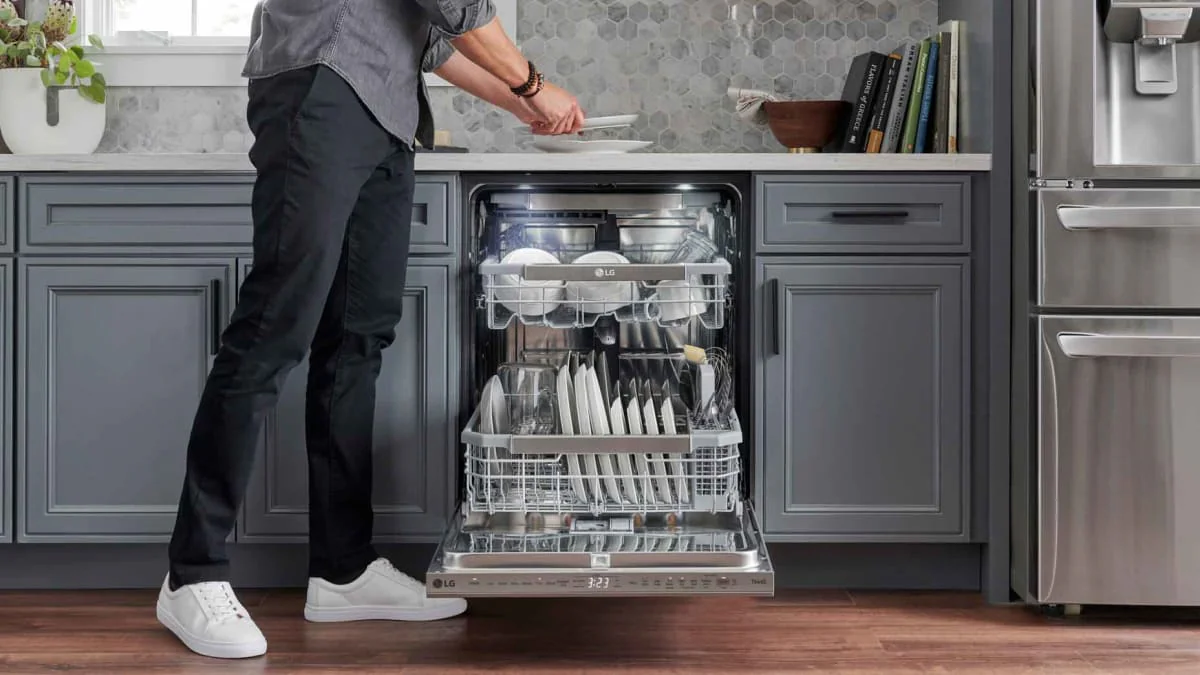
Dishwashers create a harsh cleaning environment. According to dishwasher temperature guidelines, the main wash cycle operates between 130-140°F, while the rinse cycle can reach up to 180°F to sanitize dishes. This high heat, combined with powerful water jets and concentrated detergents, effectively removes food residue and kills bacteria—but it can also damage incompatible materials.
Materials that are dishwasher safe must have three key characteristics:
- Heat resistance – Withstand temperatures up to 180°F without warping, melting, or degrading
- Chemical resistance – Resist harsh detergents that can strip finishes or cause discoloration
- Structural durability – Handle high-pressure water jets without chipping, cracking, or breaking
Dishwasher-Safe Materials
Stainless Steel
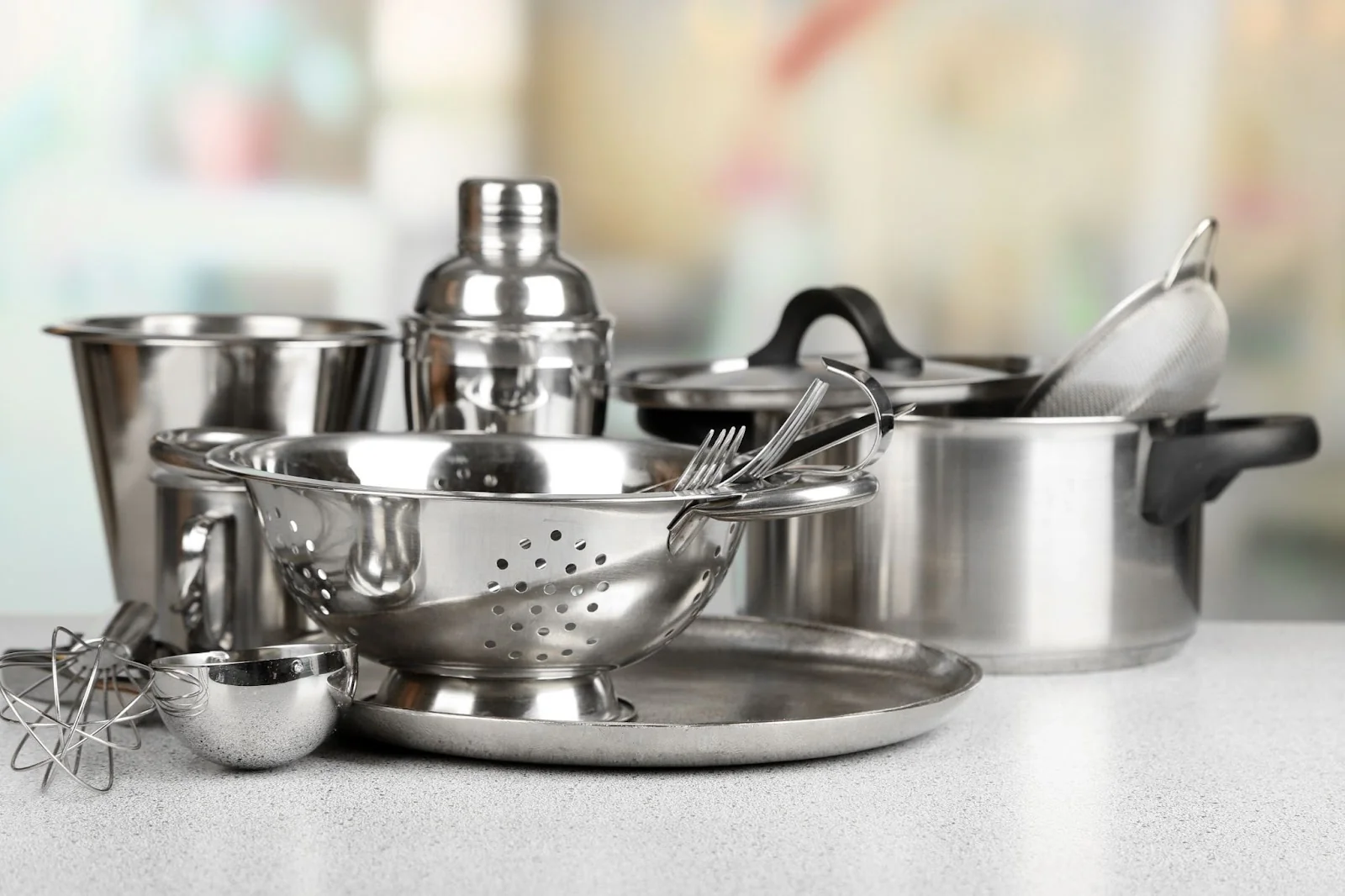
Stainless steel ranks as one of the best materials for dishwasher use. It’s durable, rust-resistant, and maintains its appearance through countless wash cycles.
What’s safe:
- Flatware and cutlery
- Mixing bowls
- Measuring cups and spoons
- Most kitchen utensils
- Baking sheets (without non-stick coating)
- Food storage containers
Usage tips:
- Place items on the top rack when possible to minimize direct heat exposure
- Avoid washing stainless steel with silver, as this can cause tarnishing
- Use the normal wash cycle rather than heavy-duty to preserve finish
Glass and Ceramic
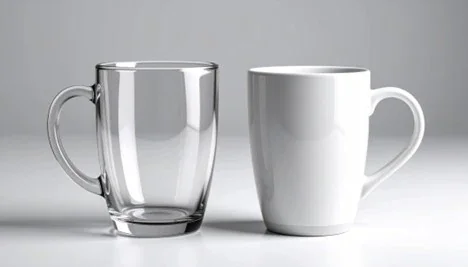
Hard, tempered glass and high-fired ceramic are generally dishwasher safe. According to Maytag’s tableware guidelines, tableware made of hard plastic, stainless steel, glass or ceramic is typically suitable for machine washing.
What’s safe:
- Tempered glass baking dishes
- Everyday drinking glasses
- High-fired ceramic plates and bowls
- Porcelain dinnerware
- Glass food storage containers
- Heat-resistant glass
What to avoid:
- Hand-painted or gilded ceramics (gold/silver trim will fade)
- Delicate crystal glassware
- Milk glass
- Hand-blown glass
- Antique or vintage ceramics
Usage tips:
- Place glasses on the top rack to reduce heat exposure
- Ensure items don’t touch during the wash cycle to prevent chipping
- Use a gentle or delicate cycle for fine glassware
Plastic
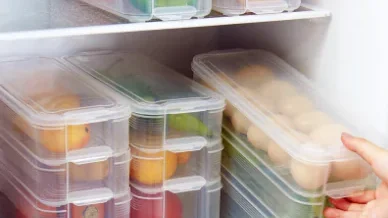
Not all plastics are dishwasher safe. The key is identifying the right type. As covered in our food grade plastic guide, plastics numbered 2 (HDPE), 4 (LDPE), and 5 (PP) are generally safe.
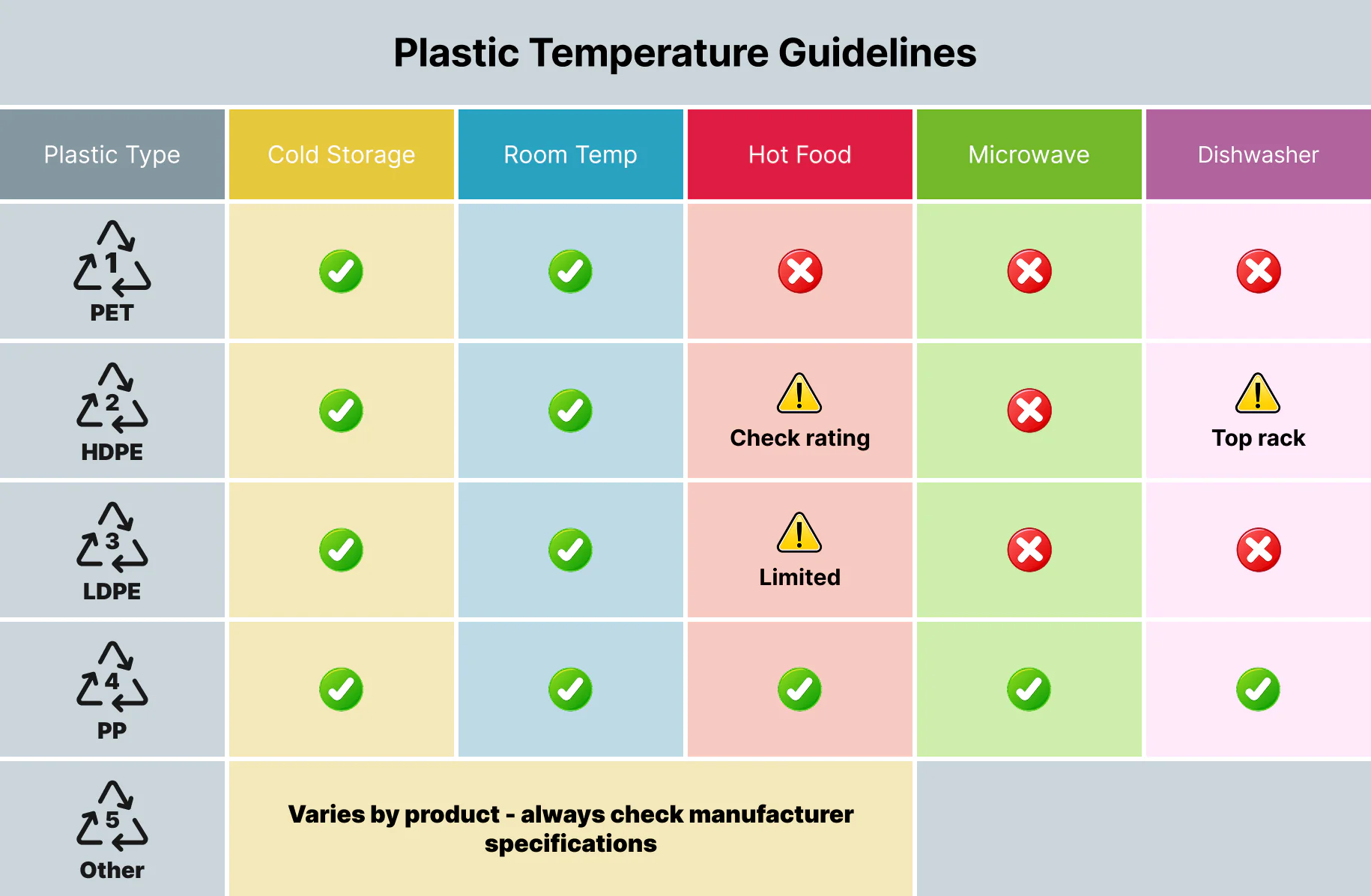
What’s safe:
- Polypropylene (PP/#5) containers – the best choice for dishwashers
- HDPE (#2) containers – durable for repeated washing
- BPA-free plastic food containers
- Hard plastic utensils specifically marked dishwasher safe
- Microwave-safe plastic containers
What to avoid:
- Thin, disposable plastics
- Acrylic or melamine (can develop hairline cracks)
- Plastic numbered 3, 6, or 7 unless specifically labeled dishwasher safe
- Any plastic without clear dishwasher-safe marking
Usage tips:
- Always place plastic items on the top rack only
- Top rack placement keeps heat-sensitive plastics away from the heating element
- Check for warping after first wash – if warped, hand wash in future
Silicone
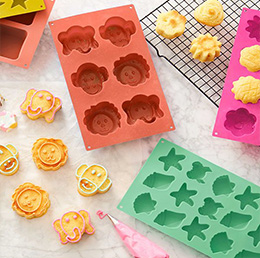
Food-grade silicone is an excellent dishwasher-safe material. Its heat resistance and flexibility make it ideal for repeated dishwasher use.
What’s safe:
- Silicone spatulas and cooking utensils
- Baking mats and molds
- Silicone lids and covers
- Collapsible storage containers
- Oven mitts and pot holders
Usage tips:
- Can go on either rack, though top rack is gentler
- If silicone retains odors, soak in vinegar and baking soda solution before washing
- Dishwasher actually helps remove grease from silicone better than hand washing
Materials That Should Never Go in the Dishwasher
Cast Iron and Carbon Steel
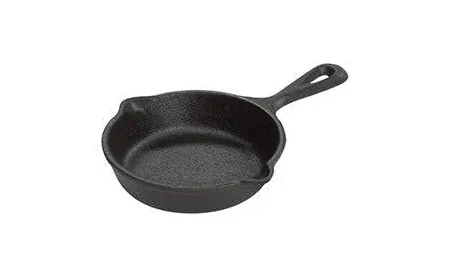
The high heat and moisture in dishwashers will destroy the seasoning on cast iron and cause rust. This applies to both traditional cast iron and carbon steel pans.
Why it’s unsafe:
- Removes essential oil seasoning
- Causes immediate rust formation
- Strips away non-stick properties built up over time
- Can lead to pitting and permanent damage
Alternative: Hand wash with hot water only, dry immediately, and re-oil after each wash.
Non-Stick Cookware
Traditional non-stick coatings break down under dishwasher conditions. According to Whirlpool’s dishwasher safety guidelines, non-stick pans should never be put in the dishwasher as the high water pressure, heat and detergent will damage or remove non-stick coatings.

Why it’s unsafe:
- High heat degrades PTFE (Teflon) coating
- Harsh detergents break down non-stick surface
- Reduces lifespan significantly
- Causes peeling and flaking
Note: Some modern non-stick cookware with advanced coatings claim to be dishwasher safe, but hand washing still extends their life.
Wood and Bamboo
Wood items will warp, crack, and lose their finish in the dishwasher. The combination of heat, moisture, and detergent is particularly damaging.
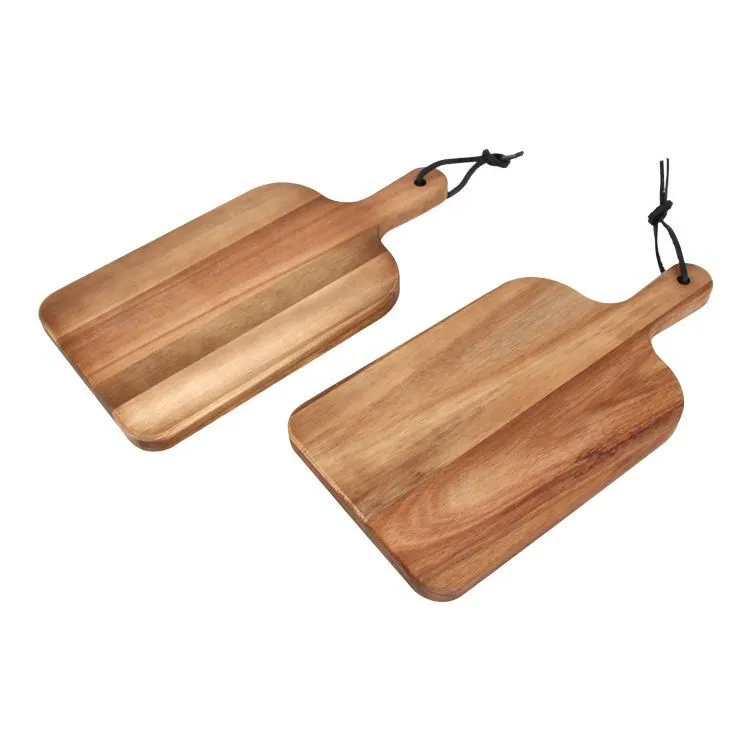
What to avoid:
- Wooden cutting boards
- Wooden spoons and utensils
- Bamboo items
- Wooden knife handles
- Salad bowls
Why it’s unsafe:
- Wood absorbs water and swells
- High heat causes cracking and warping
- Detergents strip natural oils
- Glued joints can separate
Alternative: Hand wash with mild soap, dry immediately, and periodically treat with food-safe mineral oil.
Copper
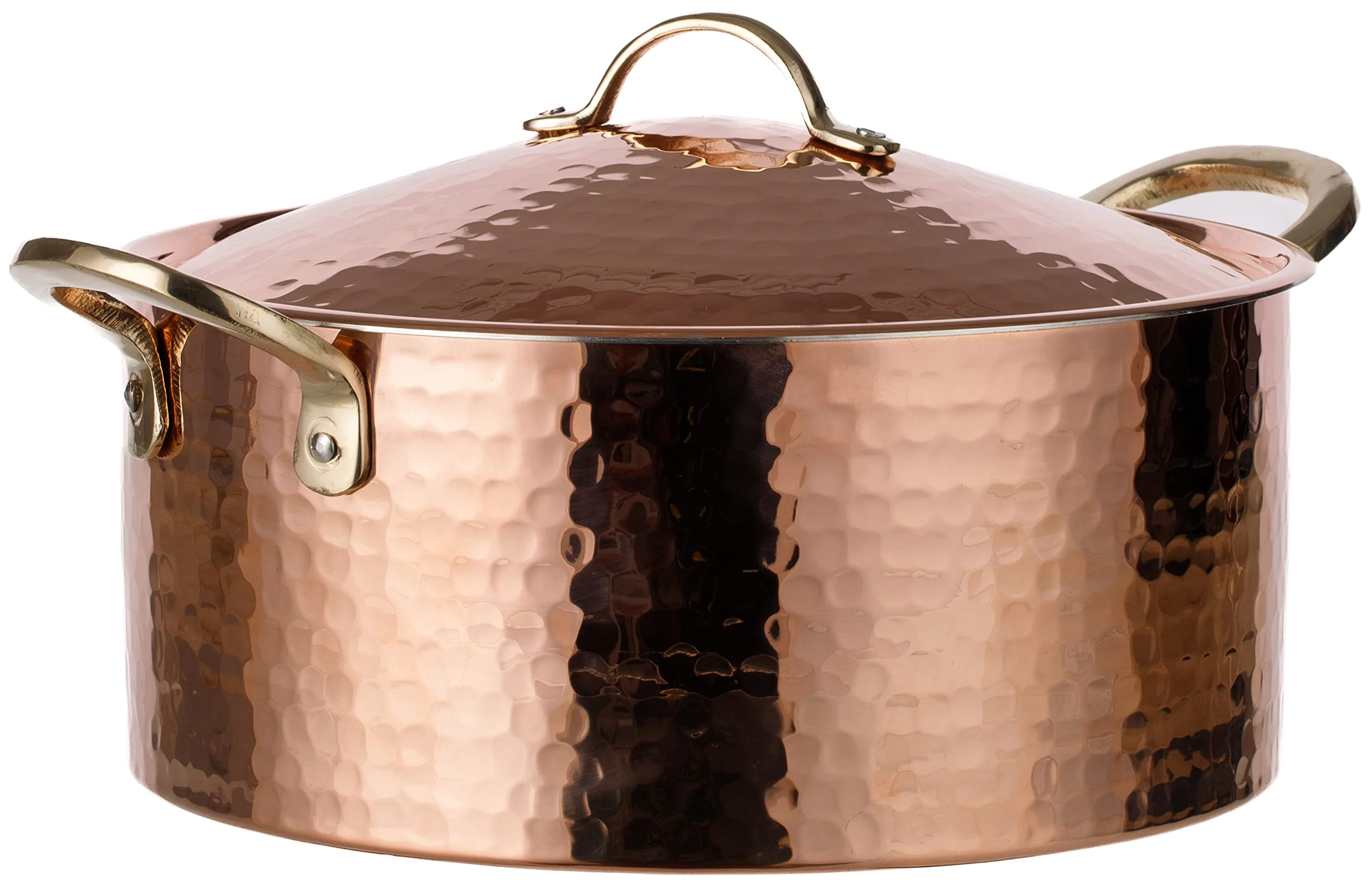
Copper develops pitting and discoloration in dishwashers. The combination of heat, moisture, and detergent creates a perfect environment for tarnishing.
What to avoid:
- Copper pots and pans
- Copper mugs (including Moscow Mule mugs)
- Copper-bottomed cookware
Alternative: Hand wash with mild soap and polish with copper cleaner to maintain shine.
Aluminum
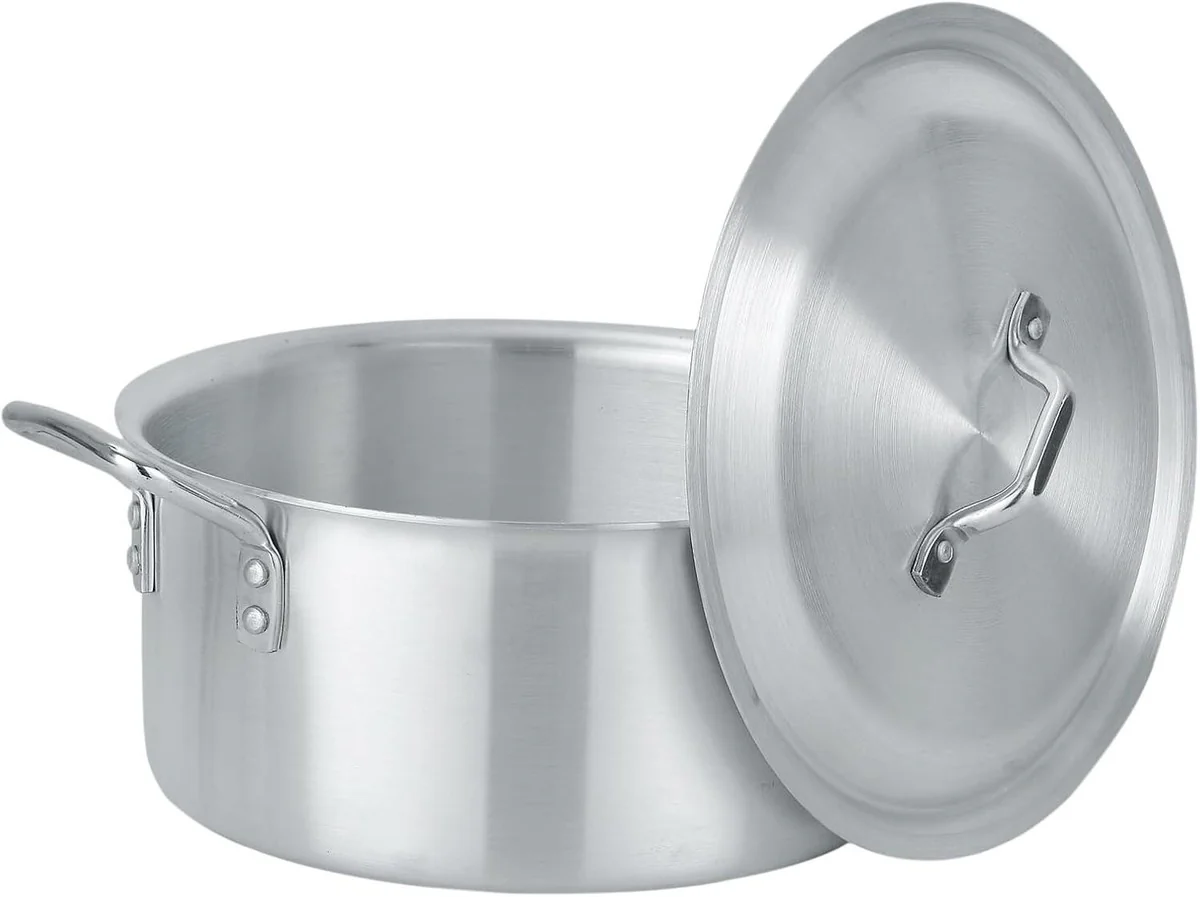
Uncoated aluminum can discolor and develop a dull, gray appearance in the dishwasher.
What to avoid:
- Aluminum pots and pans
- Aluminum baking sheets
- Uncoated aluminum water bottles
Why it’s unsafe:
- Harsh detergents cause oxidation
- Creates dark, unattractive discoloration
- Surface becomes rough and pitted
Note: Anodized aluminum is more resistant but hand washing is still recommended.
Knives
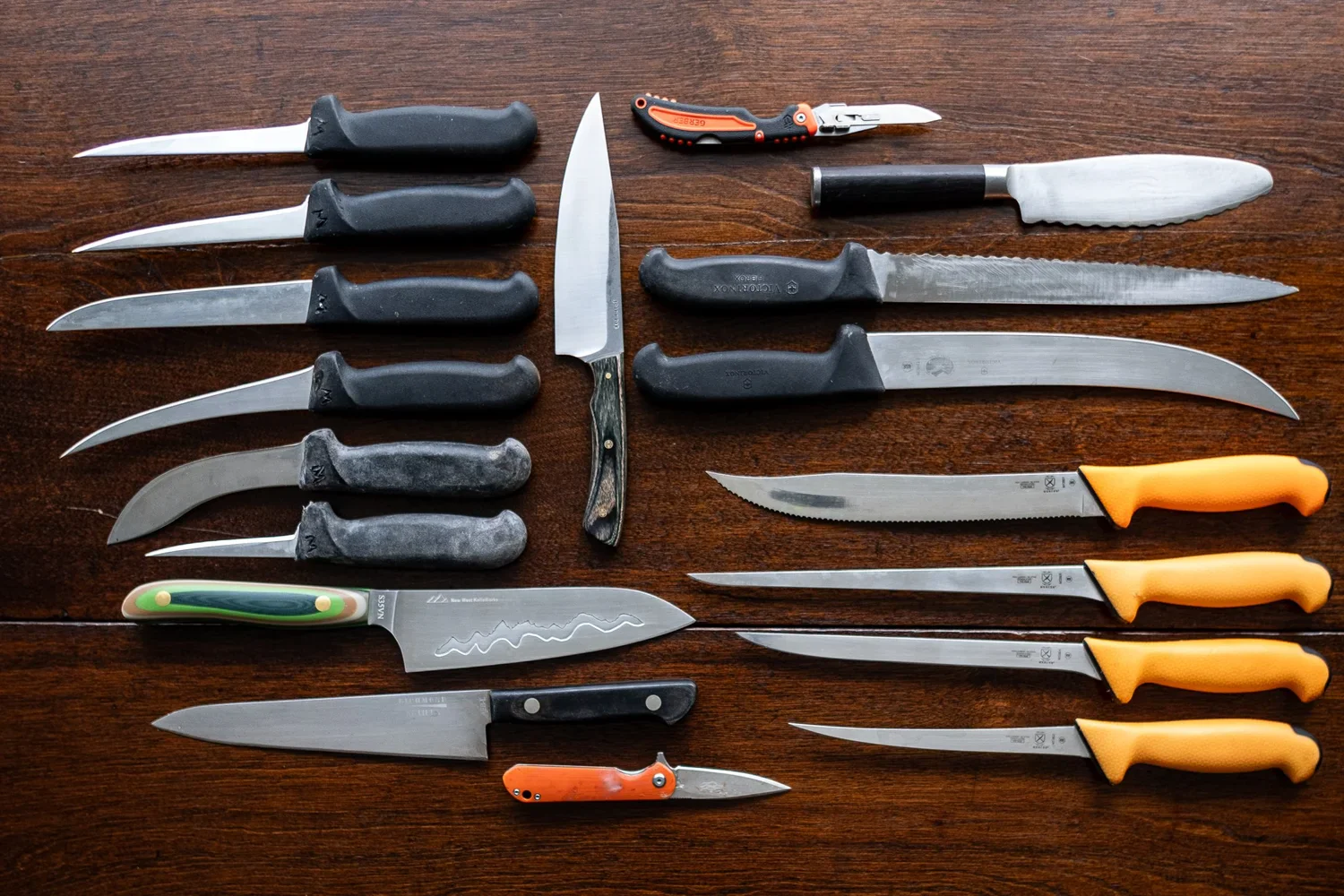
Sharp kitchen knives should never go in the dishwasher, even if made from dishwasher-safe materials.
Why it’s unsafe:
- Blades become dull from contact with other items
- High-quality knives can get nicked or damaged
- Knives can damage dishwasher racks
- Wooden or plastic handles may degrade
- Safety risk during loading and unloading
Alternative: Hand wash quality kitchen knives immediately after use and dry thoroughly.
Insulated Containers
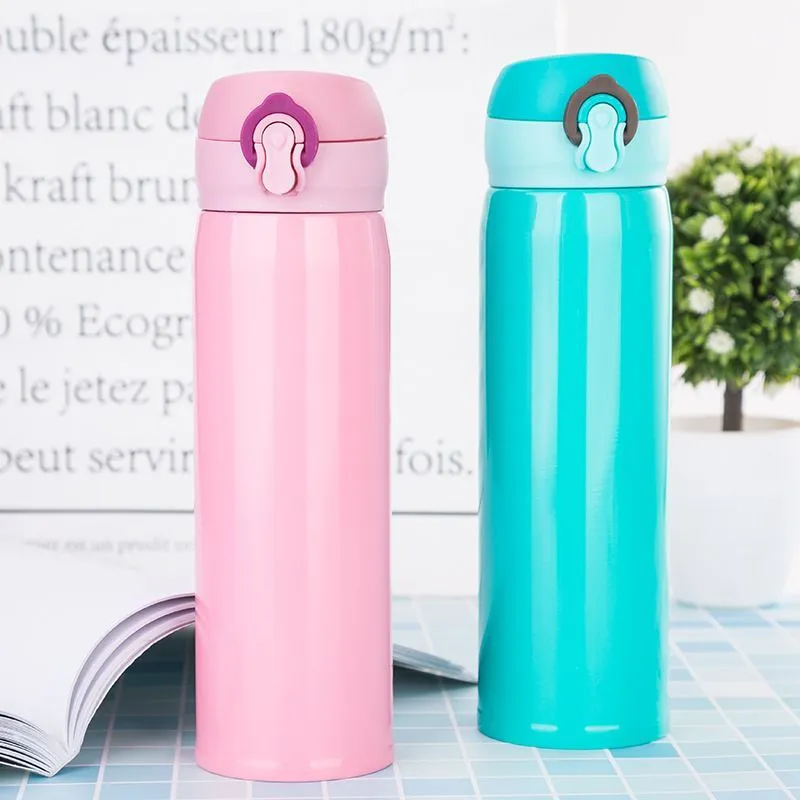
Travel mugs, thermoses, and insulated containers can lose their insulating properties in the dishwasher.
Why it’s unsafe:
- Heat and water can penetrate the seal
- Damages vacuum insulation
- Reduces thermal performance
- Can cause internal rust
Fine China and Antiques

Valuable or delicate items should always be hand washed.
What to avoid:
- Hand-painted china
- Antique dishes
- Items with gold or silver trim
- Bone china
- Collectible pieces
How to Identify Dishwasher-Safe Items
Look for these symbols and markings on your kitchenware:
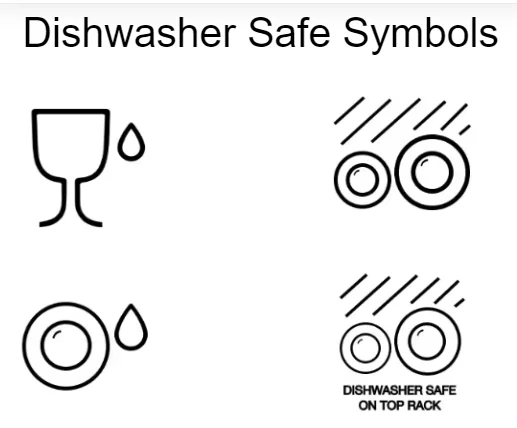
- Standard dishwasher-safe symbol – Usually shows dishes under water droplets or inside a dishwasher rack
- Top rack only symbol – Indicates item should only go on the upper rack, away from heating element
- Text marking – Words like “dishwasher safe” or “machine washable” on the bottom
- Food-safe symbol – The fork and glass icon often accompanies dishwasher-safe items
If there’s no marking, check the manufacturer’s website or original packaging. When in doubt, hand wash the item or test it on a gentle cycle.
Special Considerations by Item Type
Bakeware
Most metal bakeware is dishwasher safe, but specifics matter:
- Safe: Stainless steel baking sheets, glass baking dishes, silicone bakeware
- Avoid: Non-stick coated pans, aluminum without coating
Storage Containers
- Safe: Glass containers with plastic lids (wash separately), PP plastic containers, stainless steel containers
- Check lids: Many container lids should go on top rack only
- Avoid: Containers with rubber gaskets may degrade over time
Utensils
- Safe: Stainless steel, silicone, hard plastic marked dishwasher safe
- Top rack: Hollow-handled utensils (adhesive can melt on bottom rack)
- Avoid: Wood, copper, sharp knives
Cookware
Most everyday cookware requires careful consideration:
- Safe: Stainless steel pots and pans (without copper bottoms), some modern hard-anodized cookware
- Avoid: Cast iron, traditional non-stick, copper, uncoated aluminum
Best Practices for Dishwasher Use
To maximize the life of your dishwasher-safe items:
- Load properly – Don’t overcrowd; ensure water can reach all surfaces
- Use appropriate racks – Top rack for plastics and delicate items, bottom for heavy-duty items
- Check temperature settings – Use normal cycle (130-140°F) for most items; reserve sanitize cycle (155°F+) for when truly needed
- Choose the right detergent – Avoid overly harsh formulas; consider gentler options for everyday dishes
- Unload carefully – Start with bottom rack to avoid dripping water onto dry dishes below
- Regular maintenance – Clean filters and spray arms to maintain optimal performance
Temperature and Cycle Selection
Different materials require different care:
Delicate Cycle (115-125°F):
- Fine glassware
- Plastic containers
- Items with “top rack only” markings
Normal Cycle (130-140°F):
- Stainless steel
- Everyday dishes
- Most dishwasher-safe items
Heavy/Sanitize Cycle (155-180°F):
- Cutting boards
- Baby bottles and items needing sanitization
- Heavily soiled stainless steel
When Hand Washing Is Better
Even for dishwasher-safe items, hand washing sometimes makes more sense:
- Lightly soiled items – Wastes water and energy for a quick rinse
- Single items – Running a full cycle for one dish is inefficient
- Delicate family heirlooms – Even if technically dishwasher safe, preserve sentimental value
- Items you want to last longer – Hand washing is gentler on all materials
Frequently Asked Questions
Click To Expand
Q: Can I put stainless steel pots in the dishwasher?
A: Yes, most stainless steel pots and pans are dishwasher safe. However, avoid placing stainless steel with silver items, as this can cause tarnishing. Place them on the bottom rack and ensure they don’t block spray arms.
Q: Are all silicone kitchen items dishwasher safe?
A: Most food-grade silicone items are dishwasher safe and can handle temperatures up to 400-450°F. However, if your silicone utensils start retaining odors, soak them in a vinegar and baking soda solution before washing. Check manufacturer specifications for confirmation.
Q: Can I wash non-stick pans in the dishwasher if they say they’re dishwasher safe?
A: While some modern non-stick cookware claims to be dishwasher safe, hand washing will always extend the life of the coating. The high heat and harsh detergents in dishwashers can gradually degrade even “dishwasher-safe” non-stick surfaces. For your best non-stick cookware, hand washing is recommended.
Q: Why do some items say “top rack only”?
A: The top rack is farther from the dishwasher’s heating element, which is typically located at the bottom. Heat-sensitive materials like certain plastics, delicate glassware, and items with adhesive parts should go on the top rack to avoid warping, melting, or separation. According to manufacturer guidelines, this placement helps protect items from excessive heat exposure.
Q: Are wooden cutting boards ever dishwasher safe?
A: No. Wooden and bamboo cutting boards should never go in the dishwasher. The combination of high heat, moisture, and strong detergents causes wood to swell, warp, crack, and lose its natural oils. Always hand wash wooden items with mild soap, dry immediately, and occasionally treat with food-safe mineral oil.
Q: Can I wash my chef’s knife in the dishwasher?
A: No, even if the knife is made from dishwasher-safe stainless steel. Dishwashers can dull blades through contact with other items, damage the edge, or harm wooden and plastic handles. Additionally, kitchen knives can damage dishwasher racks and pose a safety risk. Always hand wash and dry knives immediately after use.
Q: What about aluminum baking sheets and pans?
A: Uncoated aluminum should not go in the dishwasher, as it will oxidize and develop gray discoloration. However, anodized aluminum is more resistant. Check manufacturer guidelines. Stainless steel baking sheets are a better choice if you want dishwasher-safe bakeware.
Q: Are glass food storage containers dishwasher safe?
A: Yes, glass containers are generally dishwasher safe and can go on either rack. However, check the lids separately—many plastic lids should only go on the top rack. Some glass storage containers come with silicone or rubber seals that may need to be removed before washing.
Q: Can I put my thermos or insulated tumbler in the dishwasher?
A: Most insulated containers should not go in the dishwasher. The high heat and water can damage the vacuum seal between layers, reducing insulation effectiveness. Hand wash insulated drinkware with warm soapy water instead.
Q: Why did my plastic container warp in the dishwasher?
A: The container was likely placed too close to the heating element on the bottom rack, or it wasn’t made from heat-resistant plastic. Only plastics marked PP (#5) or HDPE (#2) should go in dishwashers, and they must be placed on the top rack only. Check for dishwasher-safe symbols on plastic containers before washing.
Q: Are ceramic mugs always dishwasher safe?
A: Most plain ceramic mugs are dishwasher safe, but mugs with metallic accents, hand-painted designs, or decals should be hand washed. The high heat and harsh detergents can fade decorations and remove gilding. Check the bottom of your ceramic mugs for care instructions.
Q: Can copper-bottom pans go in the dishwasher?
A: No. Even if the main body is stainless steel, the copper bottom will tarnish and pit in the dishwasher. Hand wash copper-bottom cookware and use copper polish to maintain the bottom’s appearance and heat conductivity.
Conclusion
Knowing which materials are dishwasher safe protects your kitchenware investment and ensures items last for years. The key takeaways:
- Safe materials: Stainless steel, tempered glass, hard ceramics, PP/HDPE plastics, and silicone
- Never dishwash: Cast iron, traditional non-stick, wood, copper, sharp knives, and insulated containers
- Always check: Look for dishwasher-safe symbols and manufacturer guidelines
- When in doubt: Hand wash to preserve the item’s quality and longevity
Whether you’re setting up your first kitchen or upgrading your home essentials, choosing dishwasher-safe materials simplifies cleanup and maintenance. For items that require hand washing, proper care ensures they remain functional and beautiful for years to come.

Kelsey Sun is a China procurement expert with over 8 years of experience in cross-border sourcing and supply chain management. As a Senior Sourcing Specialist at iHomeChina, she has successfully connected hundreds of international businesses with vetted Chinese manufacturers. Kelsey specializes in supplier verification, quality control, and multi-factory consolidation strategies, with deep expertise in both major B2B platforms like Alibaba and China’s network of high-quality manufacturers who lack international visibility.