






Key Takeaways
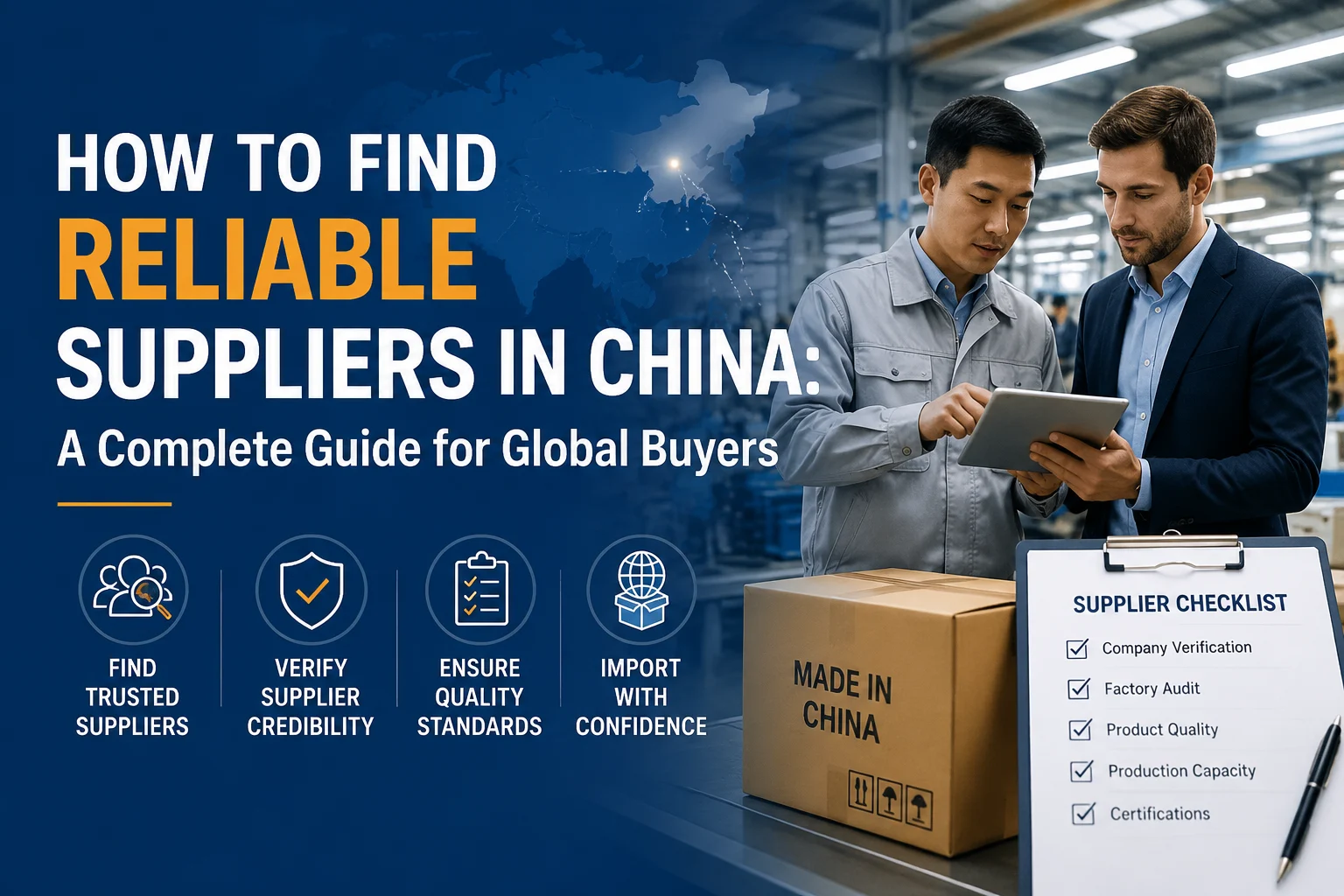
If you only have a minute, here are the seven most important things every global B2B buyer needs to know about find reliable suppliers in China:
- Define your needs in writing first. A precise spec sheet (material, MOQ, certifications, packaging) gets you 5× more accurate quotes than a vague inquiry.
- Use multiple sourcing channels. Combine Alibaba, Made-in-China, Canton Fair, Yiwu market, Google, and a sourcing agent — never rely on just one.
- Verify every supplier against four layers. Business license on China’s National Enterprise Credit Publicity System + live factory video walk-through + third-party audit + 2–3 client references.
- Watch for the 18 red flags. If a supplier hits more than two — vague answers, no business license, 100% upfront payment, refusal of third-party inspection — walk away.
- Always lock the price breakdown. Asking for material + labor + packaging + margin reveals where you can actually negotiate.
- Run pre-shipment inspection at AQL 2.5. The PSI checkpoint catches defects before the container is sealed — a $200 inspection can save a $50,000 disaster.
- Use a sourcing agent on orders above $5,000. If you do not speak Mandarin, cannot visit China, or are new to importing, an agent pays for itself through 5–10× faster supplier identification and lower landed cost.
Why Finding the Right China Supplier Matters More Than Ever
China remains the world’s largest manufacturing hub. In 2024, Chinese factories exported roughly $3.4 trillion worth of goods, supplying everything from kitchenware and home textiles to electronics and toys to buyers in over 220 countries. For global B2B buyers — Amazon FBA sellers, independent Shopify brands, supermarket chains, wholesalers — sourcing from China is often the single biggest competitive advantage.
But here is the uncomfortable truth: the gap between a reliable supplier and a risky one can cost you a six-figure order. Stories of advance-fee scams, swapped materials, missed ship dates, and quality disasters flood every B2B forum. For first-time buyers, the China sourcing market can feel like a maze without a map.
This guide walks you through the exact process we have refined over 27 years of running an export agency out of Ningbo and Yiwu. Whether you are importing $5,000 or $5 million, the framework below will help you find reliable suppliers in China — and avoid the costly mistakes most first-time importers make.
Step 1: Define Your Sourcing Needs Before You Search
Most buyers jump straight to Alibaba before they even know what they are looking for. That is the #1 reason sourcing projects fail. Before you contact a single factory, nail down these four inputs:
1.1 Product Specification Sheet
Create a one-page spec sheet that includes:
- Product name and category (e.g., “stainless steel insulated water bottle, 500ml, BPA-free”)
- Material requirements (food-grade 304 stainless steel, FDA/LFGB certified)
- Target unit price (FOB, EXW, or DDP your warehouse)
- Order quantity (trial run vs. annual volume)
- Quality benchmarks (acceptable defect rate, inspection standard like AQL 2.5)
- Packaging requirements (retail-ready box, barcode, Amazon FNSKU label)
- Certifications needed (CE, FDA, FCC, REACH, CPSIA — depending on destination market)
- Customization level (OEM with your logo vs. ODM with custom design)
Pro tip: The more precise your spec, the more accurate your quotes will be. A vague “kitchen tool” invitation will get you 50 replies that are all over the map.
1.2 Target Supplier Profile
Decide what kind of supplier fits your order:
| Supplier Type | Best For | Typical MOQ | Risk Level |
|---|---|---|---|
| Trading company | Small MOQs, mixed containers, English fluency | Low / flexible | Medium |
| Manufacturer (factory) | Large volume, ODM, lowest price | Higher (often 500–1,000+) | Lower (if verified) |
| Sourcing agent | First-time buyers, complex products, QC | Any | Lowest (service fee) |
1.3 Budget and Timeline
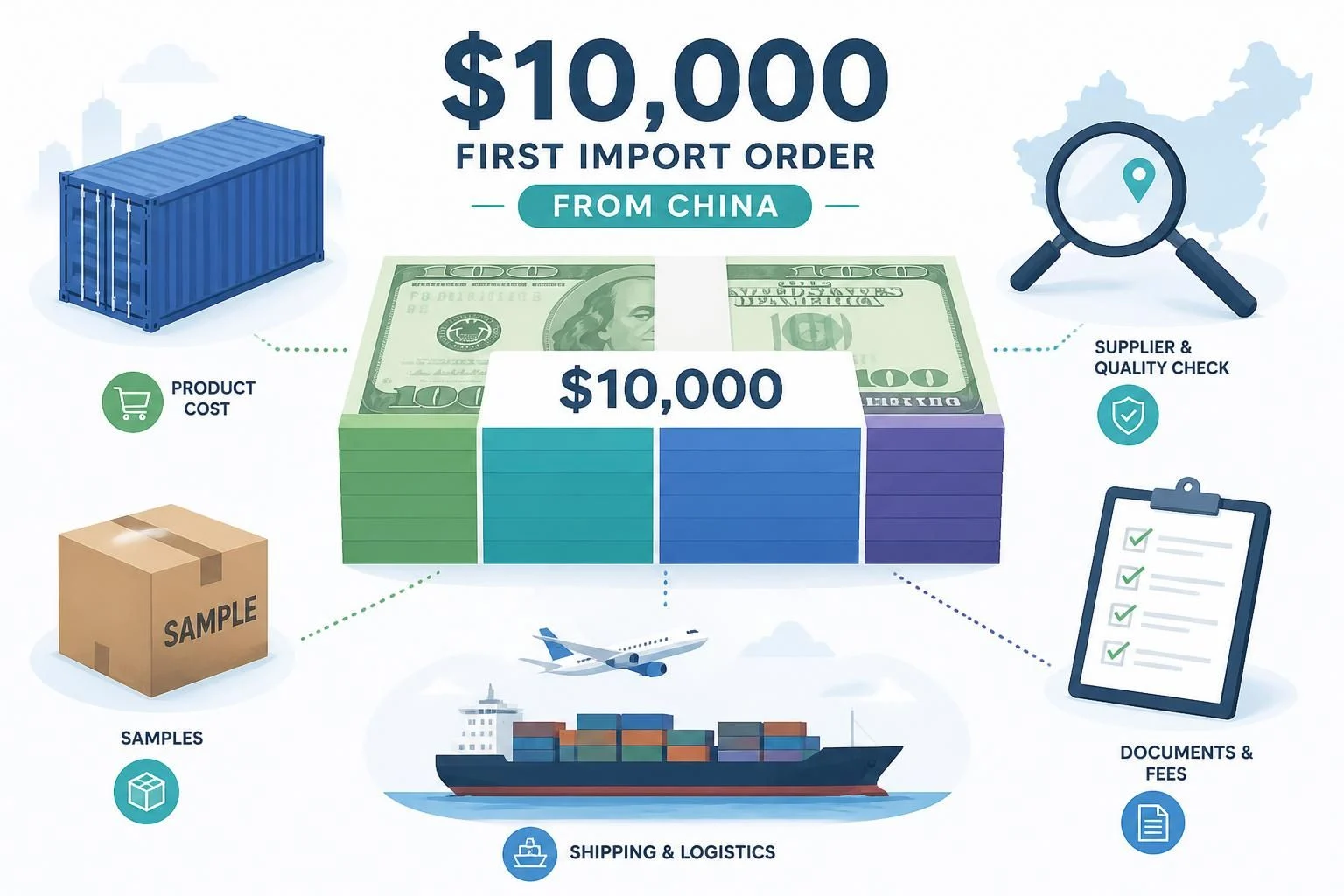
Be realistic. Add 15–20% buffer to your budget for QC, samples, shipping surprises, and import duties. A realistic production timeline for general merchandise:
- Sample development: 7–15 days
- Mass production: 25–45 days after deposit and sample approval
- Sea shipping (CN to US/EU): 25–40 days
- Total door-to-door: roughly 60–110 days end-to-end
1.4 Compliance and Import Rules
Verify the destination country’s import rules before you commit:
- USA: FDA (food contact), CPSC (children’s products), FCC (electronics), Prop 65 (California)
- EU: CE marking, REACH, RoHS, LFGB (food contact)
- Australia: ACCC, AS/NZS standards
If you skip this step, your container can be held at customs — sometimes for months.
Step 2: Choose Your Sourcing Channel (5 Main Options Compared)
There is no single “best” way to find suppliers in China. Each channel has trade-offs. Here is how they stack up:
2.1 B2B Online Platforms
Examples: Alibaba, Made-in-China, Global Sources, HKTDC
| Pros | Cons |
|---|---|
| Huge inventory of suppliers | Many trading companies posing as factories |
| Easy to compare quotes | Quality varies wildly |
| Built-in trade assurance on Alibaba | High noise — expect to filter 50+ suppliers to find 3 good ones |
How to use them well:
- Filter suppliers with the “Verified” or “Gold Supplier” badge (paid tier, not perfect but a starting point)
- Check transaction history — suppliers with multiple completed orders in your category are safer
- Look for Trade Show attendance badges (e.g., Canton Fair exhibitor)
2.2 Trade Shows (In-Person Sourcing)
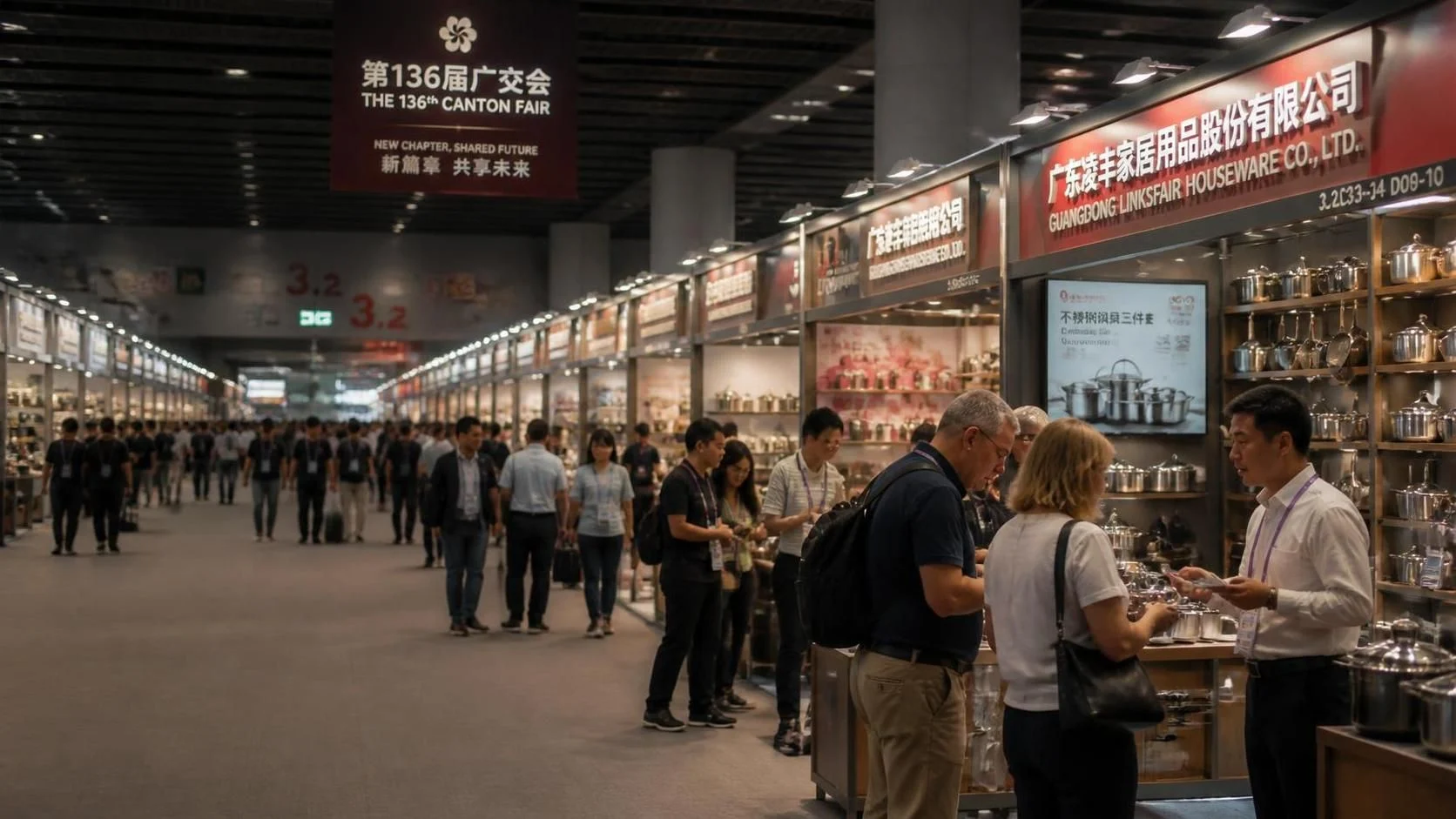
The big three Chinese trade shows for general merchandise and consumer goods:
- Canton Fair (China Import and Export Fair) — Guangzhou, held in three phases each April and October. The single most important sourcing event in the world.
- East China Fair (ECF) — Shanghai, focused on light industry and consumer goods
- Yiwu Commodities Fair — Yiwu, ideal for small commodities, gifts, and general merchandise
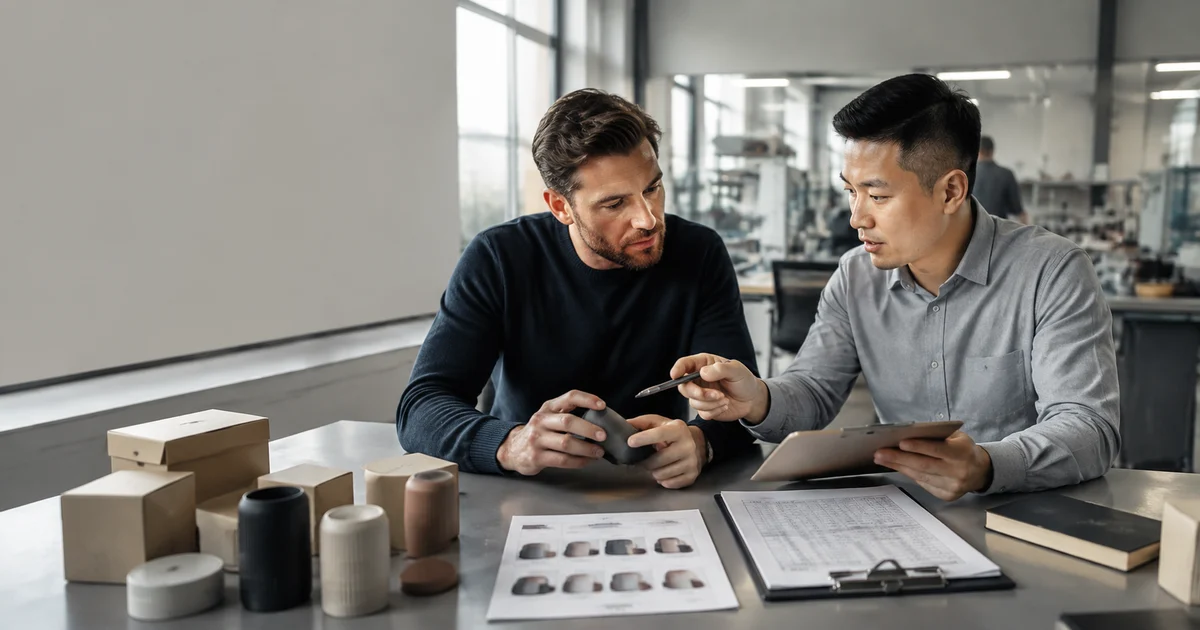
Why trade shows work: you can see, touch, and test products, read body language, and meet the actual factory owner (not a sales rep). If you cannot attend in person, a sourcing agent who does attend on your behalf — like iHomechinabuy’s Canton Fair sourcing service — saves months of email back-and-forth.
2.3 Wholesale Markets
Yiwu International Trade City in Zhejiang is the world’s largest small-commodity market — over 45,000 booths across five districts, covering 320,000 product categories. Ningbo and Guangzhou also have major wholesale clusters.
Walking Yiwu is the only way to truly understand the breadth of what Chinese factories can produce. It is also where the best niche suppliers hide — the ones not big enough to be on Alibaba but extremely capable.
2.4 Direct Google and Social Search
Many top Chinese factories have minimal Alibaba presence but strong websites, LinkedIn profiles, or WeChat presence. Search terms like:
- [your product] manufacturer China
- [your product] OEM factory Guangdong
- site:linkedin.com [Product Category] sourcing manager
This works especially well for OEM/ODM projects where you need a factory with design capacity.
2.5 China Sourcing Agent (Recommended for Most Buyers)
A sourcing agent acts as your local purchasing office — finding suppliers, vetting them, negotiating, managing QC, and consolidating shipments. For most first-time importers and even experienced buyers, this is the highest-leverage option.
What a good sourcing agent does for you:
- Pre-screens 10+ factories and gives you 3 qualified options
- Confirms business license, factory photos, and production capacity
- Translates your specs into Chinese and manages all communication
- Negotiates price, MOQ, and payment terms on your behalf
- Arranges third-party inspections before shipment
- Coordinates shipping, customs documents, and consolidation
iHomechinabuy, for example, maintains a pre-vetted network of 1,200+ factories across Ningbo, Yiwu, and Shantou and can typically provide qualified supplier options within 24 hours for orders starting at $5,000.
Step 3: Build a Shortlist and Send Your First Inquiry
Once you have picked a channel, narrow your list down to 3–5 suppliers before going deeper. The right quantity: enough for competitive pricing, few enough to manage.
What to include in your first inquiry
A vague “Please quote” email gets ignored. A precise inquiry gets serious replies. Use this template:
Subject: Sourcing inquiry – [Product name] – [Order quantity]
Hello [Supplier Name],
We are [Your Company], a [retailer / distributor / brand] based in [Country],
interested in sourcing [Product Name].
Specifications:
- Material: [e.g., 304 stainless steel]
- Size: [dimensions]
- Color/finish: [options needed]
- Logo: [customization required?]
- Packaging: [retail box / bulk]
- Target certifications: [FDA / CE / etc.]
Order details:
- Trial order quantity: [e.g., 500 pcs]
- Annual forecast: [e.g., 5,000 pcs/year]
- Target FOB price: [$X.XX per unit]
- Required delivery: [target month]
Please quote:
- FOB price for trial order and bulk order
- MOQ
- Sample cost and lead time
- Production lead time for bulk order
- Payment terms
Best regards,
[Your Name]
What to watch in the replies:
- Response time (24 hours is a good sign, 4+ days is a red flag)
- Specific answers vs. evasive “we can do all kinds”
- Willingness to customize or only stock SKUs
- Who signs the email (sales rep vs. named manager vs. factory owner)
Step 4: Verify Supplier Legitimacy (Background Checks That Actually Work)
This is the step most first-time buyers skip — and then regret. Run each promising supplier through this four-layer verification:
Layer 1: Legal Verification
- Business license copy — every legitimate Chinese company has one. Look up the company via China’s National Enterprise Credit Publicity System. Confirm:
- Company is registered and active
- Registered capital and date established
- Legal representative’s name
- Operating scope matches what they claim
- Export license — required to ship internationally
Layer 2: Factory Verification
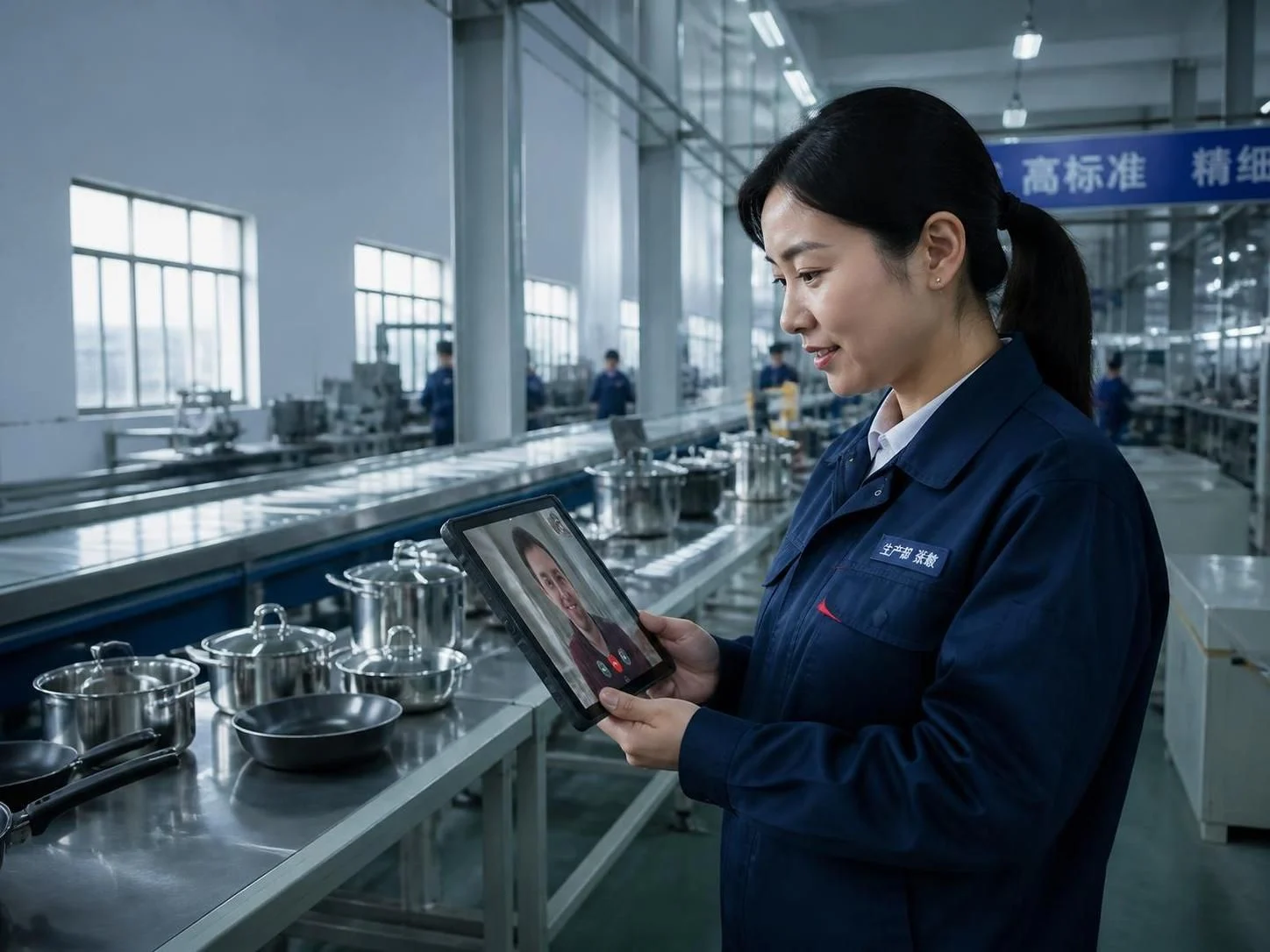
- Request a factory video walk-through (live, not pre-recorded)
- Ask for photos of the production line, not just the showroom
- Verify factory size vs. claimed capacity — a 50-person shop cannot produce 100,000 units/month
- Look at machinery list and major equipment brands
Layer 3: Third-Party Verification
- Alibaba Verified Supplier reports
- SGS / Bureau Veritas / TUV audit reports (gold standard but expensive)
- Government export records — China Customs publishes top exporters
- Industry association memberships (e.g., China Chamber of Commerce for specific categories)
Layer 4: Reference Checks
- Ask for 3 references from existing overseas clients
- Call or email those references directly
- Ask specifically about: quality consistency, communication speed, what happens when things go wrong
A professional sourcing agent will have already done all four layers and can hand you the verification file on day one.
Step 5: Spot the Red Flags Before You Wire Any Money
Even sophisticated buyers get burned. Here are the 18 red flags we have seen cause real losses. If a supplier hits more than two, walk away:
Communication Red Flags
- ❌ Vague answers about factory size or capacity
- ❌ Refuses video calls or factory tours
- ❌ Pressure to pay via Western Union, MoneyGram, or personal PayPal (instead of T/T to company account)
- ❌ Email domain doesn’t match company name (free Gmail/Hotmail for a “factory”)
Pricing Red Flags
- ❌ Prices dramatically lower than every other quote (more than 20% below market)
- ❌ Won’t break down pricing (materials, labor, packaging, margin)
- ❌ No MOQ flexibility for new buyers
Documentation Red Flags
- ❌ No business license or copy is blurry/altered
- ❌ Company is less than 1 year old but claims “20 years of experience”
- ❌ Multiple companies share the same address or phone number
- ❌ Different sales reps give different company names for the same product
Operational Red Flags
- ❌ No production schedule commitment in writing
- ❌ Refuses third-party inspection
- ❌ Won’t accept a sample order or charges unreasonable sample fees
- ❌ Sample quality differs dramatically from catalog photos
Payment Red Flags
- ❌ Demands 100% upfront payment before production
- ❌ Will only accept escrow but won’t ship to escrow warehouse
- ❌ No proforma invoice or contract after negotiation
Step 6: Negotiate Prices, MOQs, and Payment Terms Like a Pro
Pricing
- Always ask for a price breakdown: material + labor + packaging + margin. This is where the negotiation room lives
- Quote volume that gives the factory efficient production runs. Going from 1,000 to 3,000 units often drops unit price by 15–25%
- Don’t anchor on the first quote. Quote 3–5 suppliers and let them compete — but respectfully and transparently
MOQ (Minimum Order Quantity)
- Most factories will negotiate MOQ down for first-time buyers, especially if you commit to a re-order
- Trading companies often have lower MOQs because they consolidate from multiple small workshops
- For branded products, factories usually demand a higher MOQ to justify mold setup
Payment Terms
Standard for new international buyers:
- 30% T/T deposit + 70% balance after pre-shipment inspection passes
- Avoid 100% upfront for first orders
- Use escrow services (Alibaba Trade Assurance, PayPal for small orders) for new suppliers
- For larger repeat orders, you can negotiate Net-30 or OA (Open Account) after trust is established
Get it in the Contract
Every agreement must be in a bilingual contract (English + Chinese) covering:
- Product specs (with reference samples or photos)
- Pricing, MOQ, and total value
- Payment terms and milestones
- Production lead time and shipping method
- Quality standards (AQL level, inspection scope)
- Defect liability and remediation
- IP protection (especially for branded products)
- Penalty clauses for late delivery
Step 7: Lock Down Quality Control Before Mass Production
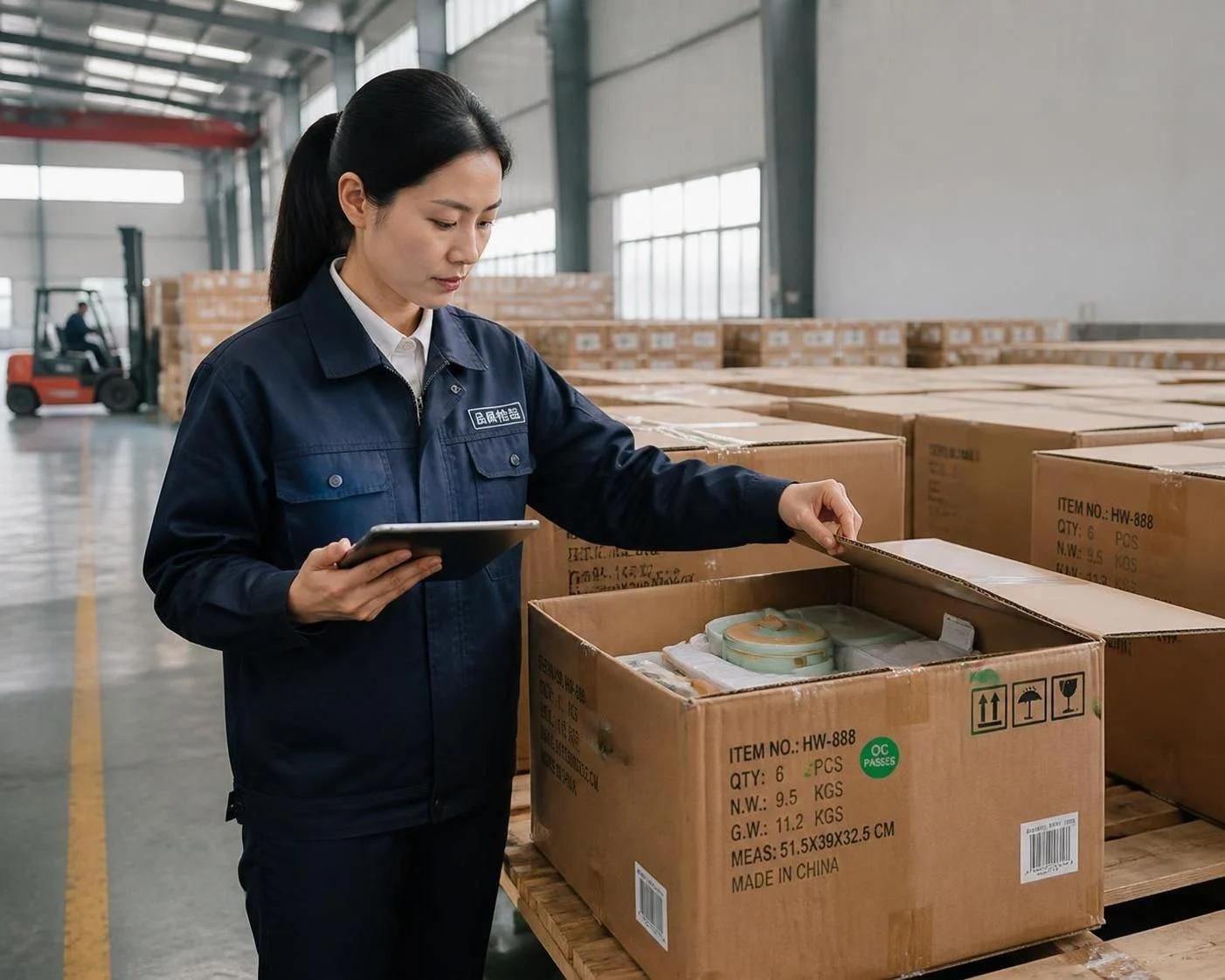
This is where experienced buyers separate themselves from beginners. Quality control is not something to figure out after production starts.
Three Inspection Checkpoints
- Pre-Production (PPI) — after materials arrive, before assembly starts. Confirms raw materials match spec
- During Production (DUPRO) — at 20–30% completion. Catches quality drift early
- Pre-Shipment (PSI) — at 80–100% completion, before the container is sealed. This is the critical one
AQL Standards
Use internationally recognized Acceptable Quality Level (AQL) sampling:
- AQL 1.0 for premium/luxury products
- AQL 2.5 for general consumer goods (industry standard)
- AQL 4.0 for very low-cost disposables
Who Inspects?
- Factory’s own QC team — least reliable; they have a conflict of interest
- Your sourcing agent’s QC — good middle option if they are independent from the factory
- Third-party inspectors (SGS, Bureau Veritas, QIMA, AsiaInspection) — the gold standard for serious orders
A 200 USD inspection can save a 50,000 USD disaster.
Step 8: Decide If You Need a China Sourcing Agent
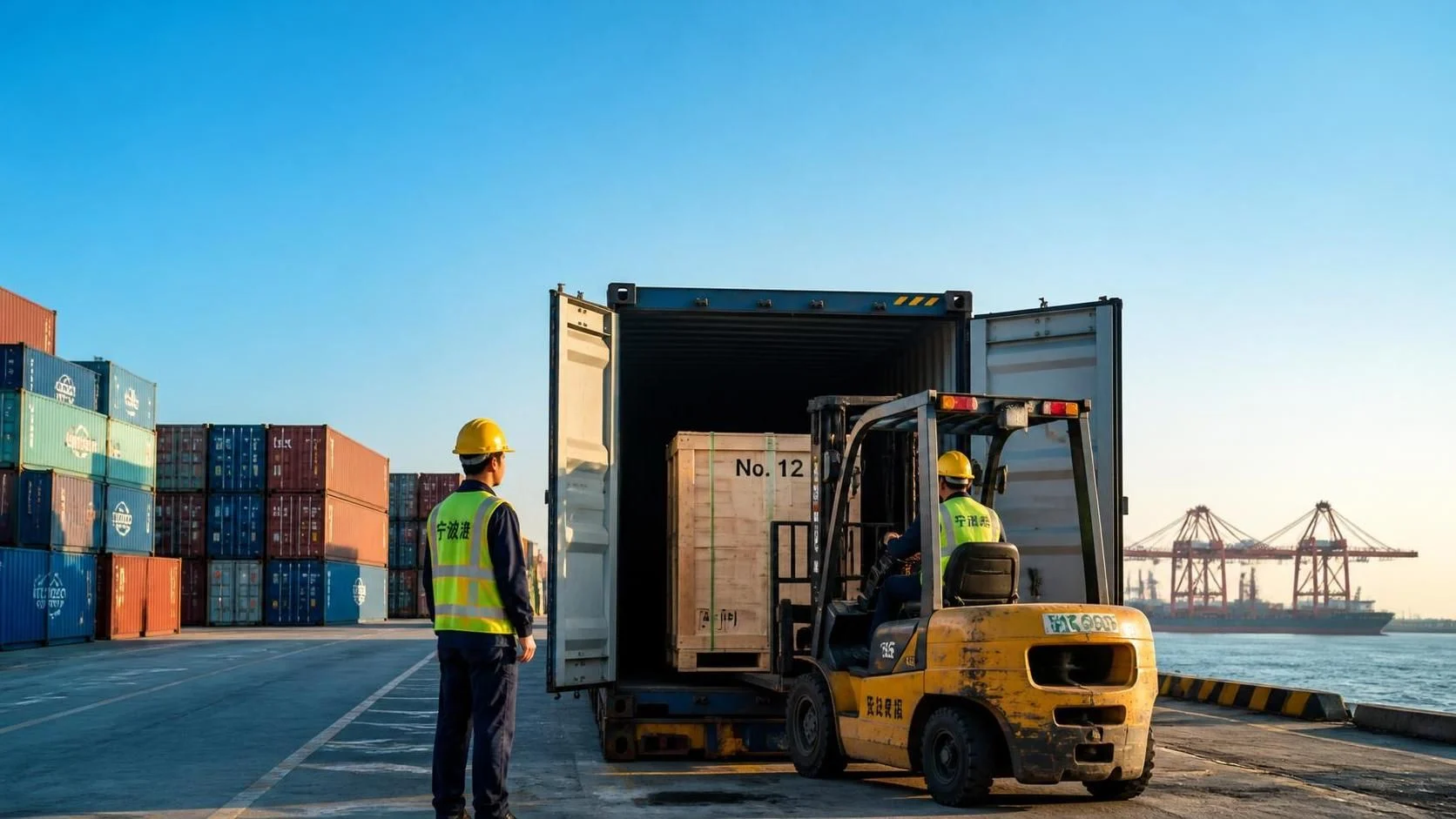
Be honest with yourself. Do any of these describe you?
- ✅ You have never imported from China before
- ✅ You don’t speak Mandarin
- ✅ You cannot visit China in person in the next 6 months
- ✅ Your product requires technical specs or compliance certifications
- ✅ Your order value is over $5,000
If you said yes to two or more, a sourcing agent will pay for itself. The typical fee structure:
- Commission model: 3–8% of order value
- Flat fee model: $300–$800 per project (smaller orders)
- Hybrid: small retainer + reduced commission
What you get for that fee:
- 5–10x faster supplier identification
- Lower prices through established factory relationships
- Translated communication that actually moves the project forward
- On-the-ground QC and problem-solving
- Logistics and consolidation across multiple factories
For a deeper look at how a professional sourcing agent can plug into your supply chain, see iHomechinabuy’s sourcing agent service or their OEM/ODM service for branded product development.
Common Mistakes First-Time Importers Make
Learn from the $50,000 mistakes others have already made:
- Choosing on price alone — the cheapest quote is almost never the best supplier
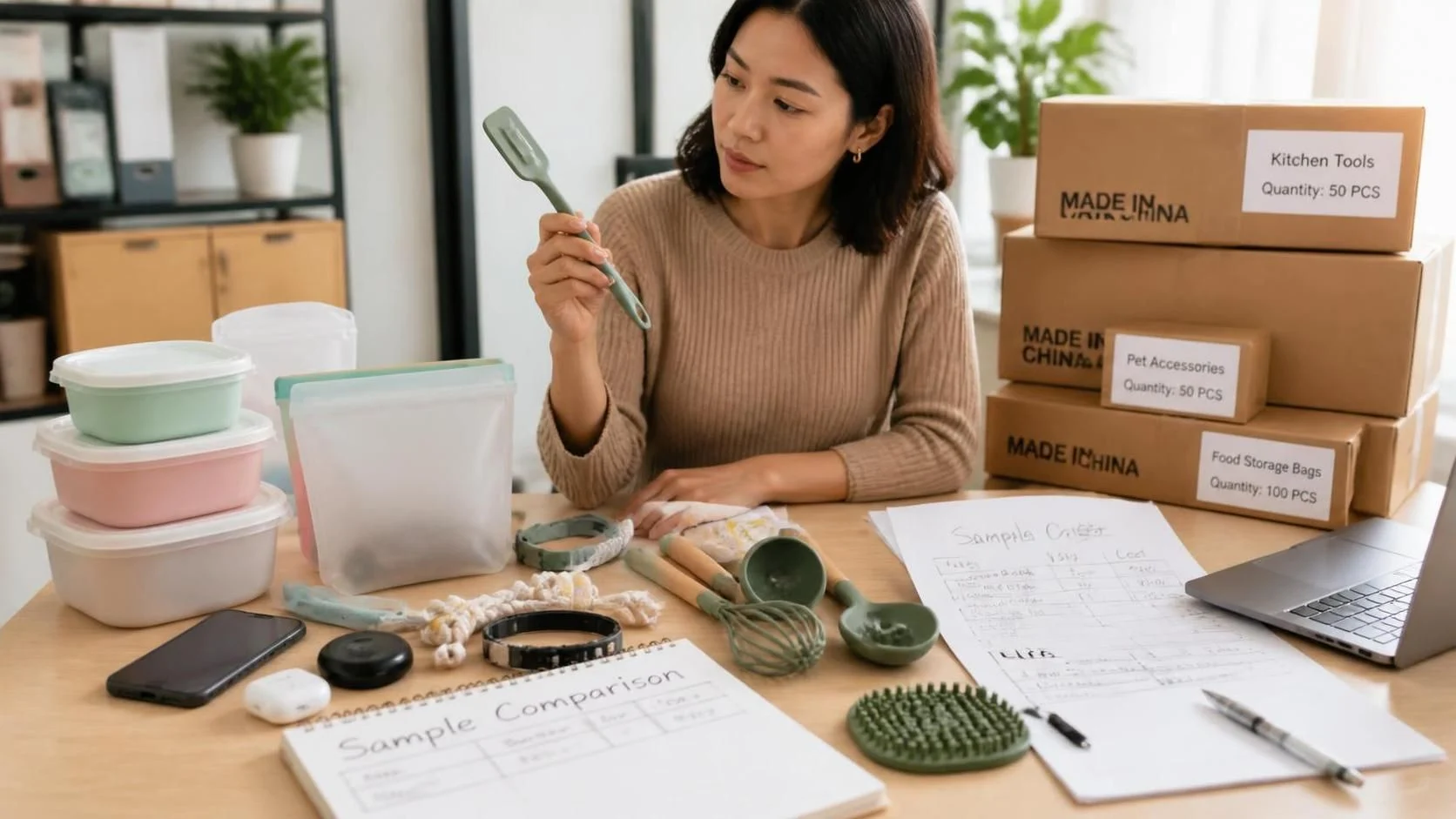
- Skipping the sample order — never go from spec sheet to mass production
- Trusting catalog photos — they are often from other clients’ products
- No written contract — verbal agreements are unenforceable across borders
- Paying 100% upfront — there is no recourse if things go wrong
- Ignoring certifications — your goods will be stuck at customs
- Single supplier dependency — always keep a backup option warm
- Underestimating shipping time — Chinese New Year (Feb), Canton Fair (Apr, Oct), and typhoon season all create 2–4 week delays
- Skipping inspection — quality issues multiply in mass production
- No IP protection — your designs can be copied by the same factory that produces them
Frequently Asked Questions
What is the best way to find suppliers in China for the first time?
For first-time buyers, the safest combination is: a China sourcing agent to do the initial supplier scouting, Alibaba or Made-in-China for further sourcing comparison, and the Canton Fair (or a representative who attends) if your order volume justifies a trip.
How much does it cost to use a China sourcing agent?
It depends on the model: commission-based sourcing agents charge 3–8% of the order value, while flat-fee agents charge $300–$800 per project. For orders under $5,000, many agents have minimum fees or prefer to bundle multiple smaller orders.
How do I verify if a Chinese supplier is legitimate?
Use the four-layer check: (1) verify the business license on China’s National Enterprise Credit Publicity System; (2) request a real-time factory video walk-through; (3) check Alibaba verification reports or independent third-party audits; (4) call 2–3 of their overseas references directly.
Should I use Alibaba or a sourcing agent?
Use Alibaba if you have sourcing experience, fluent written Chinese, time to filter hundreds of suppliers, and the ability to visit China. Use a sourcing agent if you are time-constrained, new to importing, sourcing complex or regulated products, or buying from multiple factories across categories.
What is a reasonable MOQ for the first order?
For most general merchandise (kitchenware, home decor, textiles, plastic goods), a reasonable trial MOQ is 300–1,000 units. Below 300, expect to pay higher per-unit pricing because setup costs dilute across fewer units.
How do I protect my product design from being copied by my supplier?
Three practical safeguards: (1) sign a Non-Disclosure Agreement (NDA) and IP ownership clause in the contract; (2) register your design patent or trademark with China’s National Intellectual Property Administration (CNIPA) before sharing files; (3) split tooling and final assembly across different factories so no single vendor sees the full product.
How long does it take to source from China end-to-end?
Plan roughly 3–5 months from first inquiry to goods arriving at your warehouse for a typical general merchandise order: 1 month for sourcing + sampling, 1 month for mass production, 1–2 months for QC + sea shipping + customs clearance. Rush orders via air freight can compress this to 6–8 weeks at higher cost.

Gong Zheng is a blog editor for iHome, focusing on global sourcing, wholesale market trends, and practical advice for international buyers. Drawing on extensive experience in digital marketing and cross-border trade, he shares expert insights to help small and medium-sized enterprises source products more efficiently and avoid common pitfalls. Passionate about connecting buyers with reliable suppliers, he writes in a clear, approachable style that makes complex topics easy to understand.