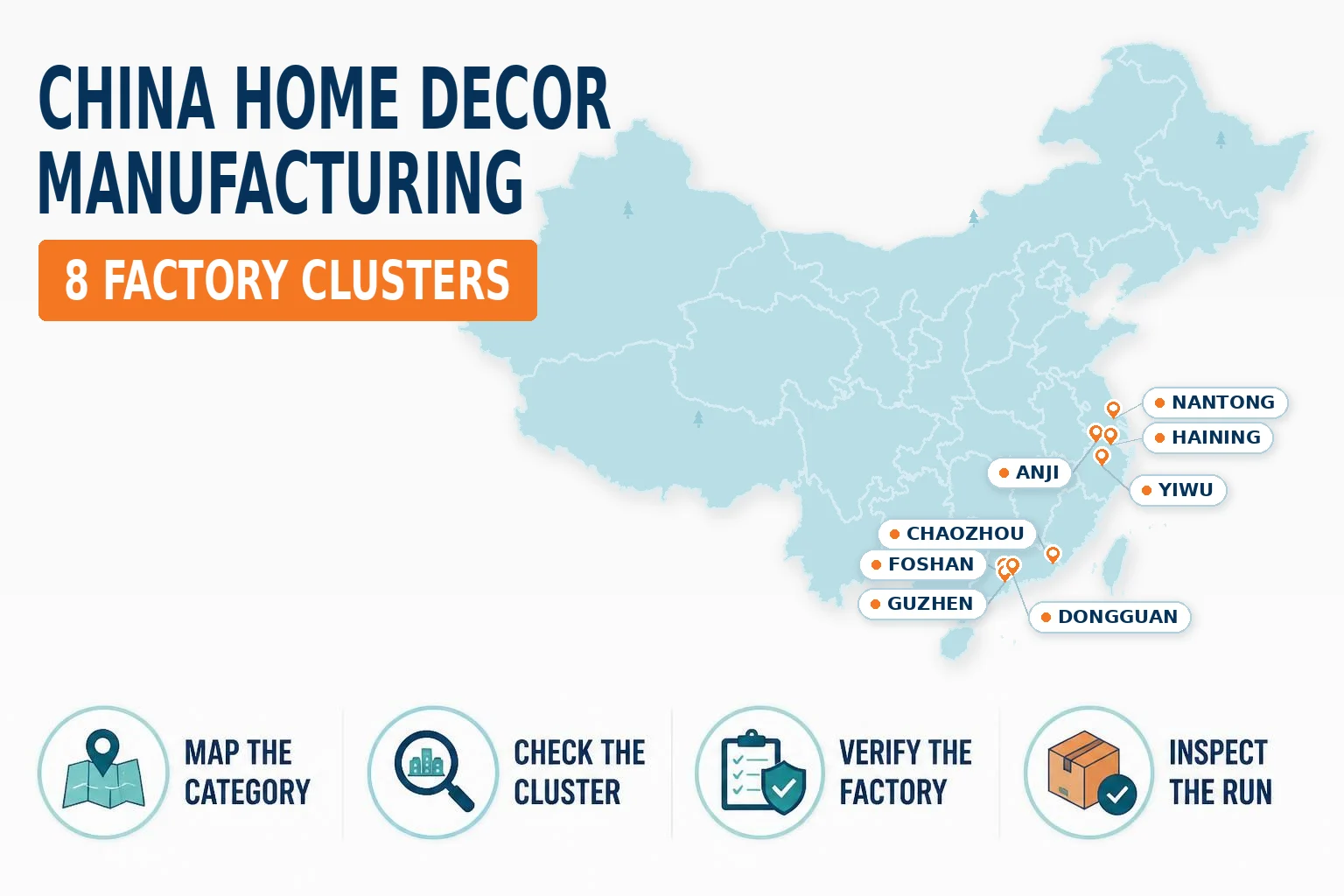










The best products to import from China in 2026 are rarely the ones that simply look popular on a list. Start with products that have steady demand, workable MOQs, manageable compliance requirements, and enough margin left after freight and duties. China remains a major sourcing base in global merchandise trade, as WTO reporting shows, but that does not make every category a sensible import choice (WTO World Trade Statistical Review).
This is an editorial shortlist. It does not claim that the 30 items are independently ranked by sales volume. We used five buyer-side filters: demand, competition, logistics, regulation, and repeatability. A product may sell well in one market and still be a poor import choice if it is fragile, heavily regulated, crowded, or too cheap to carry its freight cost.
Key Takeaways
- The best import products are profitable on landed margin, not factory price alone.
- Small, repeatable products with limited regulatory exposure are often the simplest place to begin.
- Electronics, medical-adjacent, and branded lookalikes deserve extra caution because compliance and IP risk can erase profit fast.
- A sourcing partner can help you compare suppliers, samples, MOQ, and quality risk before you place an order.
What makes a product worth importing from China?
A product is worth importing when the numbers still make sense after the factory quotation. China’s role in world merchandise trade gives buyers access to suppliers in many categories, but you still need to check demand, landed margin, compliance, supply consistency, and reorder potential before committing to stock (WTO World Trade Statistical Review).
Use this five-part check:
- Demand: people already buy it
- Margin: the price gap survives freight, duties, packaging, and returns
- Compliance: it does not trigger a pile of certification work
- Supply: it can be sourced consistently
- Reorder: customers may buy it again
For most buyers, a category with low breakage, limited regulation, and simple bundling is easier to test. That is why home goods, accessories, pet products, and some beauty accessories often appear in import shortlists.
How this editorial shortlist was selected
Instead of treating “best selling” as a universal ranking, this guide favors categories you can test in a sensible way. You should be able to sample them before placing a larger order, compare suppliers, estimate packaging costs, and check destination-market requirements. That is more useful to an importer than a generic popularity roundup.
For the full supplier-to-shipping workflow behind that decision, see our online sourcing service.
How should you judge profitability before ordering?
Judge profitability on landed margin, not factory price. Start with the supplier quotation, then add packaging, freight, duties, payment fees, inspection, returns, and sales costs. In trade, delivery responsibilities and risk transfer depend on the named Incoterm. ICC’s Incoterms 2020 rules set that framework (ICC Incoterms 2020).
Before you buy samples, run this quick test:
- What is the ex-factory price?
- How much does packaging add?
- What does shipping do to the unit economics?
- Are there duties or VAT/sales taxes?
- Will the product need testing or certification?
- What happens if a small share arrives damaged or needs rework?
If the margin disappears once you add those costs, the product is cheap only on paper.
A practical rule
As a working rule, a narrow gap between landed cost and selling price leaves little room for mistakes. A wider gap gives you more capacity to absorb marketing costs, returns, and slower sales. It is a practical screen, not a universal formula.
| Landed-cost check | What to confirm before ordering | Why it matters |
|---|---|---|
| Factory price | Unit price, MOQ, tooling, and sample charges | The supplier quote is only the starting point. |
| Packaging and dimensions | Individual packaging, carton size, gross weight, and volume | These details affect damage risk and freight cost. |
| Freight and Incoterm | Named Incoterm, route, insurance, and handover point | Costs and transport risk depend on the agreed rule. |
| Taxes and documentation | HS classification, destination-market duty, labeling, and certificates | These obligations can change the real cost and feasibility of the product. |
| Quality allowance | Sample approval, inspection scope, defect remedy, and rework process | A low price is not useful if the product cannot be sold. |
Which home and kitchen products are practical to import?
Home and kitchen products are often sensible first categories when they are compact, easy to demonstrate, and free from category-specific restrictions in the destination market. Food-contact items need closer scrutiny. Confirm local requirements before relying on a supplier’s material claim or test report.
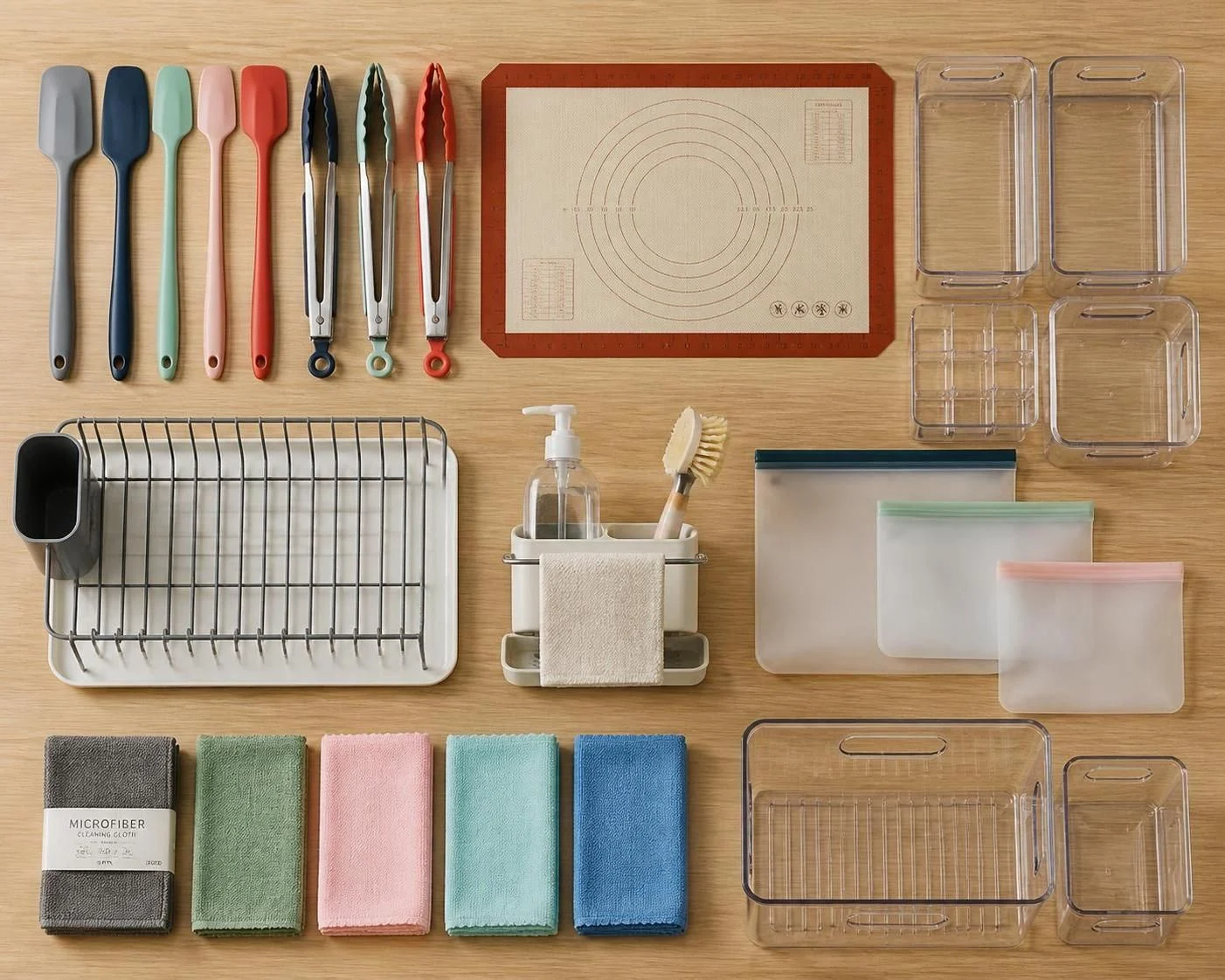
- Silicone kitchen tools
Spatulas, tongs, baking mats, and utensil sets work well because they are lightweight and easy to brand. Watch heat resistance claims and material consistency. - Storage organizers
Drawer dividers, bins, closet organizers, and shelf inserts sell because they solve visible everyday problems. Focus on dimensions, stackability, and packaging. - Reusable food bags and containers
Strong repeat demand, but check food-contact compliance for your market. - Travel containers and lunch accessories
These are easy to bundle and often have low MOQ options. - Cleaning tools
Scrub brushes, microfiber cloths, cleaning pads, and mop accessories are practical and reorder-friendly. - Dish racks and sink accessories
Good for homeware sellers, but confirm size and shipping efficiency. - Bathroom organizers
Soap holders, shelf units, and countertop organizers are low-complexity products with broad appeal. - Home storage bins
Great for family and organizing channels, though dimensional weight can bite you.
These products solve familiar household problems and are easy to show in use. Most also do not need a long technical explanation, which helps when you sell through ecommerce or wholesale channels.
Which pet, beauty, and personal-care products need extra checks?
Pet, beauty, and personal-care products can bring repeat purchases, but they need closer screening when they touch skin, hair, food, or batteries. Compliance depends on the specific product, its claims, its materials, and the destination market. The category label is not enough.

- Pet toys
High volume potential, but durability varies wildly. Test for safety and chew resistance. - Pet grooming tools
Brushes, deshedding tools, nail clippers, and combs are steady sellers. - Pet feeding accessories
Bowls, mats, portable feeders, and travel cups are practical and easy to merchandise. - Hair tools
Brushes, curl clips, styling tools, and heatless curl accessories can move well, though electrical items need extra checks. - Nail tools
Files, cutters, and manicure kits are compact and easy to bundle. - Makeup organizers
These are simple, visual, and often fit gift-buying behavior. - Travel toiletry cases
Good for travel, gift, and organization channels.
Do not assume that a small product is a low-risk product. A battery-powered beauty tool or a skin-contact item can require more regulatory work than a much larger household product.
Which accessories are easier to test in a first order?
Accessories are often easier to test in a first order because many are compact, non-powered, and straightforward to sample. Selling them is another matter. Competition, design, packaging, and returns still determine whether an item deserves a place in your range.
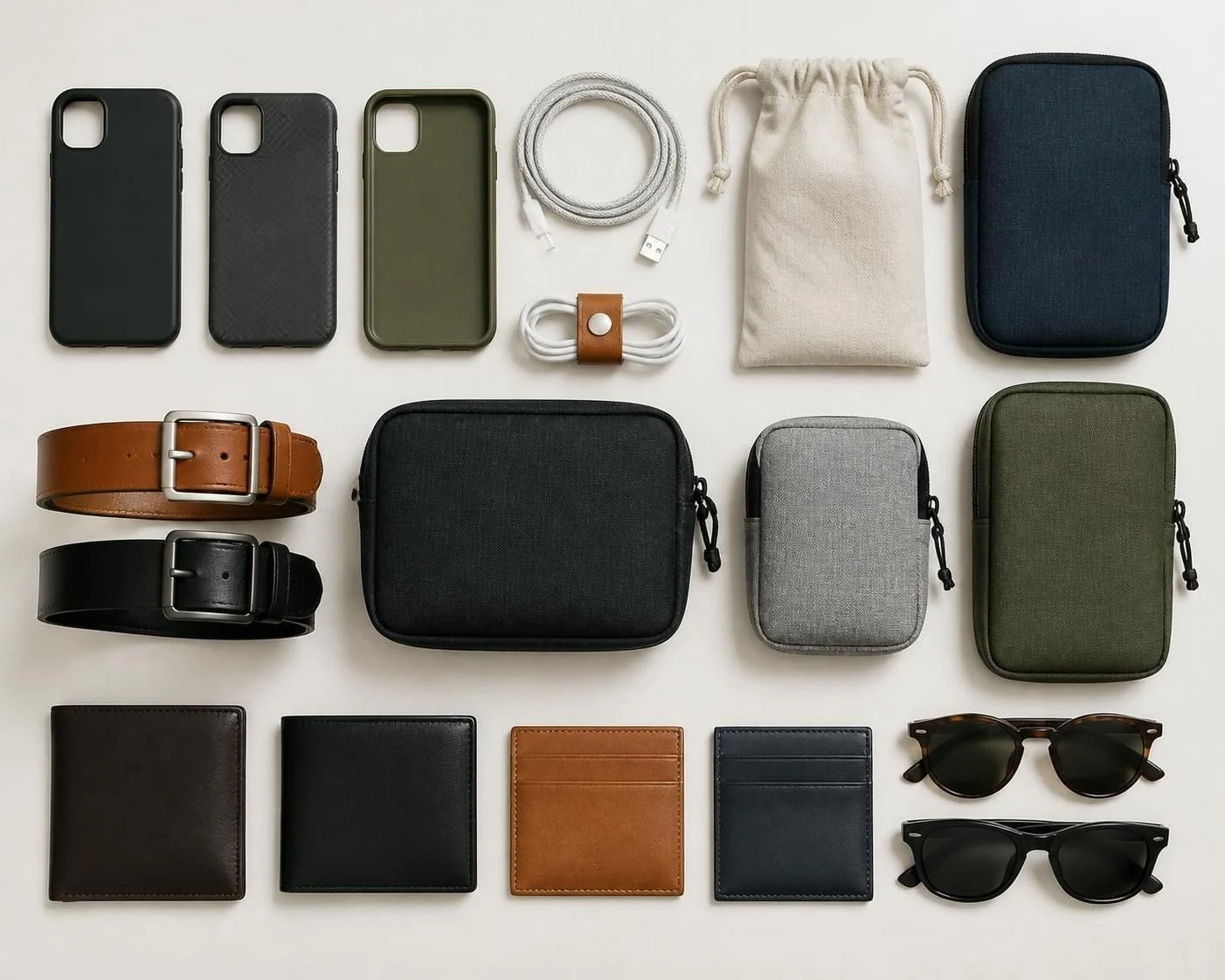
- Phone cases and screen accessories
Huge market, but very crowded. You need design or bundle differentiation. - Charging cables and cable organizers
Lightweight and useful, though quality control is critical. - Bags and pouches
Travel pouches, cosmetics bags, and tech organizers work well if the material feels premium. - Belts and wallets
Good for gift and fashion channels, but style cycles move quickly. - Sunglasses
Strong margin potential, but style, UV claims, and breakage risk need attention.
Accessories are quick to test, but they are often crowded. Enter with a clear point of difference, whether that is stronger packaging, a useful bundle, better materials, or a narrower niche.
Which seasonal products require the most careful timing?
Seasonal products only work when your buying calendar leaves enough time for sampling, production, freight, customs clearance, and sales preparation. The right product arrives before demand peaks. A product that arrives after the season starts may already be too late.

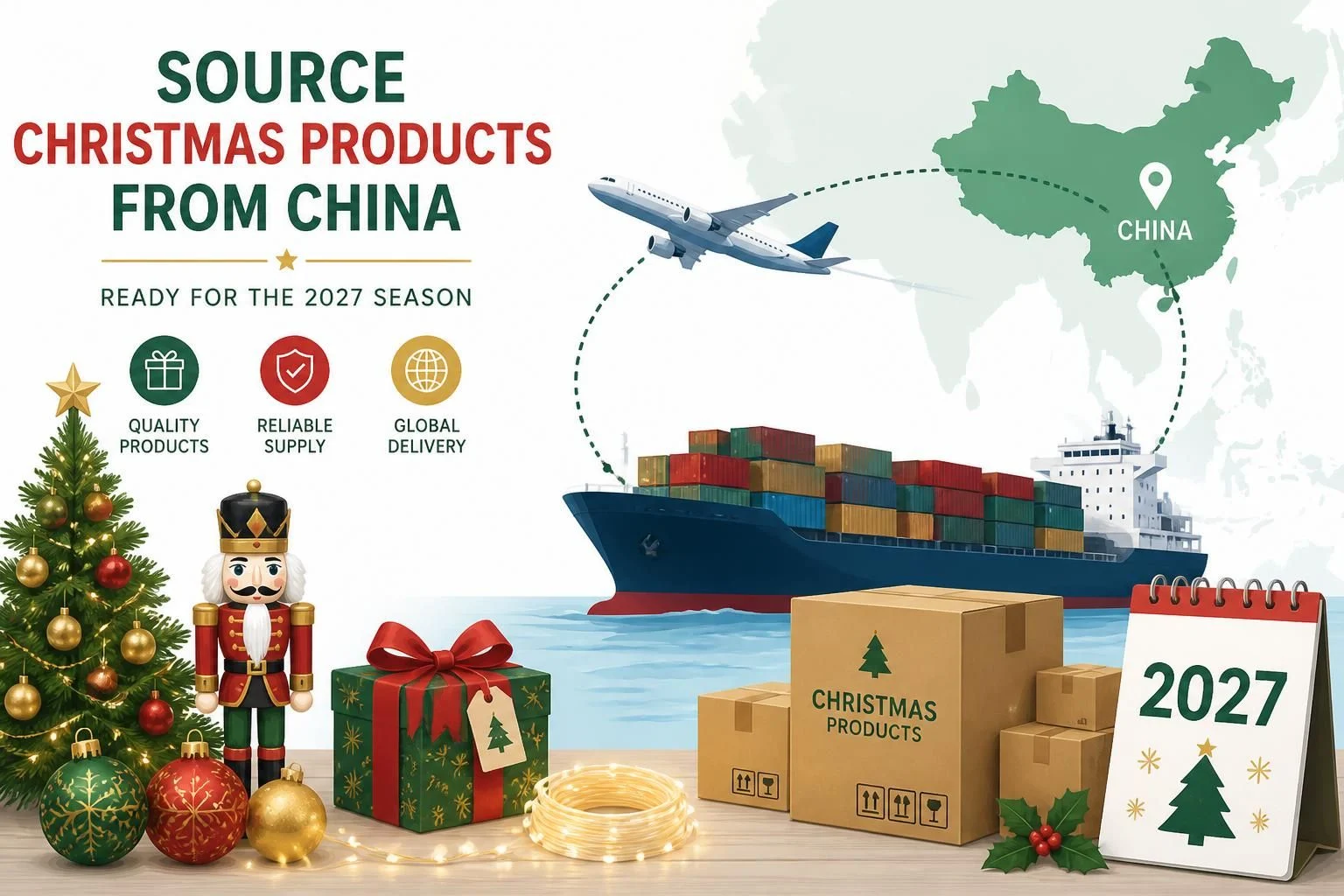
- Holiday decor
Christmas, Halloween, and New Year items can be strong but need early buying. - Party supplies
Plates, banners, props, and event decor are easy to merchandise. - Gift wrap accessories
Ribbons, bags, tissue paper, and decorative add-ons are cheap to ship and easy to bundle. - School season products
Lunch accessories, desk items, and storage tools can do well in back-to-school windows. - Winter comfort products
Slippers, warm accessories, and household comfort items often sell on emotion as much as utility.
Seasonal buying can be profitable, but late inventory decisions are expensive. If freight takes longer than expected, a promising product can arrive after the buying window has closed.
Which small electronics should you approach carefully?
Small electronics and tech-adjacent items create more quality, battery, and safety risk than non-powered accessories. For EU-bound goods, the European Commission’s CE-marking guidance is a useful starting point. The manufacturer must still demonstrate conformity where the rules apply (European Commission).
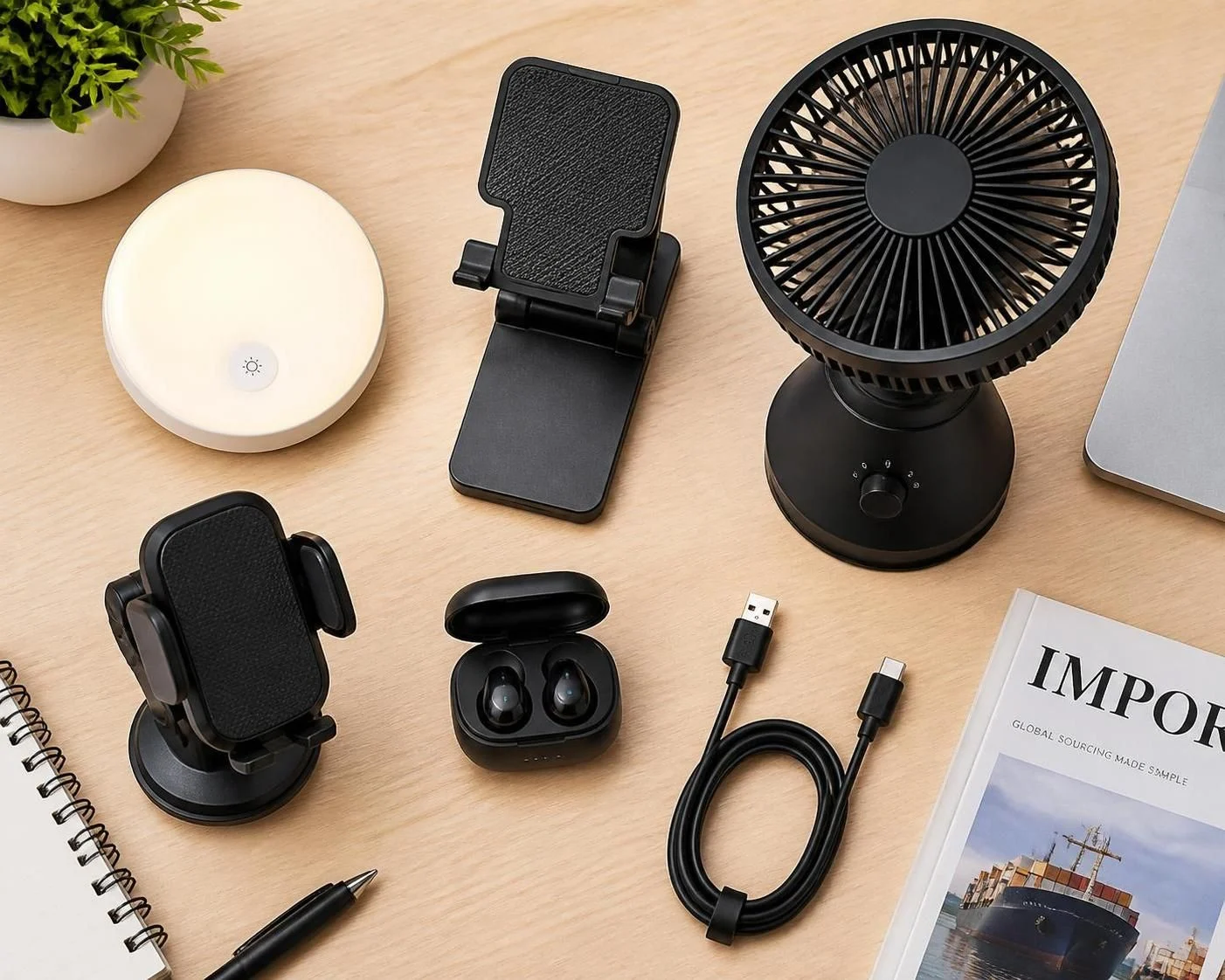
- LED night lights
Simple and useful, but electrical safety still matters. - Phone stands and desk mounts
Easy to source and low-risk compared with powered electronics. - Bluetooth accessories
Potentially attractive, but battery and connectivity quality can be a headache. - USB-powered items
Small heaters, fans, and desk gadgets need careful safety checks. - Simple smart-home accessories
Often interesting, but certification and returns can erode the margin.
For these products, ask for test reports, packaging photos, and sample verification before you talk yourself into the deal. The cheaper the product, the more dangerous hidden failures become. An independent pre-shipment inspection can add a further check before shipment.
If the item sits in a regulated category, confirm the destination-market requirements first, such as the European Commission’s CE-marking guidance.
What products should first-time importers avoid in 2026?
Avoid products with heavy regulation, little room to differentiate, poor shipping economics, or thin margins. That includes lookalike branded products, products that make medical claims, higher-risk battery items, oversized low-value goods, and categories with frequent returns.
A simple avoid list:
- Counterfeit or near-counterfeit branded items
- Products that claim health, medical, or therapeutic effects
- Large, cheap items with bad freight economics
- Products that rely on copying another seller too closely
- Items that need more certification than your market can handle
- Categories with very high breakage or return rates
If you need to think hard about whether the product is allowed, taxable, certifiable, or shippable, it may be the wrong first import. For customs-facing basics, check the General Administration of Customs of China. For supplier credibility questions before you order, review whether Alibaba is safe to buy from.
How do you pick the right product for your business?
The right product fits your sales channel, budget, margin target, and compliance tolerance. A trend is useful only when those basics work.
Use this five-step filter:
- Demand: Is the category already selling?
- Competition: Can you enter without a race to the bottom?
- Landed margin: Do you still profit after shipping and duties?
- Supplier reliability: Can the supplier repeat the same quality?
- Regulation: Will the item trigger testing, labeling, or certification work?
If you need help narrowing the list, a sourcing partner can compare suppliers, arrange samples, confirm packaging, and flag factory risks before you place a larger order. iHome’s online sourcing service is one option for buyers who want support with that process.
FAQ
What is the most profitable product to import from China?
There is no universal winner. Profit depends on demand, competition, landed cost, and compliance. A product that looks ordinary on paper can outperform a trend item if the supply chain is cleaner and the repeat order rate is higher.
What is the easiest product to import from China for beginners?
Usually small, non-regulated, non-electronic accessories are the easiest starting point. Think simple organizers, pouches, kitchen accessories, or other products that are cheap to sample and easy to ship.
How do I know if a product is too risky to import?
Watch for heavy regulation, trademark issues, fragile shipping economics, confusing labeling rules, or weak supplier documentation. If you cannot get clear answers about samples, testing, or compliance, pause.
Should I start with one product or a bundle?
Bundles can improve perceived value and margin, but they add packaging and assortment complexity. If you are new, a simple single-product test is usually easier to manage.
Can a sourcing agent help me choose products?
Yes. A sourcing partner can compare suppliers, MOQs, sample quality, lead times, and quality risk before you place a larger order. That is often more useful than chasing a generic trend list.
Conclusion
The products in this guide are worth importing only when the numbers work. Check demand, landed cost, packaging, freight, duties, compliance, and quality before you scale. Start with practical, repeatable items that you can sample and explain clearly to your buyer.
When you choose the next import category, check the market, test the margin, verify the supplier, and inspect before scaling. If you want support with supplier discovery, quotation comparison, and product checks, start a free inquiry with your category, budget, destination market, and target quantity.

Gong Zheng is a blog editor for iHome, focusing on global sourcing, wholesale market trends, and practical advice for international buyers. Drawing on extensive experience in digital marketing and cross-border trade, he shares expert insights to help small and medium-sized enterprises source products more efficiently and avoid common pitfalls. Passionate about connecting buyers with reliable suppliers, he writes in a clear, approachable style that makes complex topics easy to understand.